

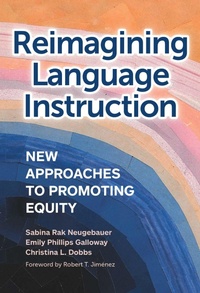
Reimagining Language Instruction
New Approaches to Promoting Equity
Will be published approx. on 25. August 2023
Book
Hardback
176 pages
978-0-8077-6889-1 (ISBN)
Description
Use this unique volume to transform the learning and teaching of language so that all students are empowered to succeed. This book offers insight into how to teach language-a core component of developing skilled readers and writers across all content areas-in ways that value the rich and diverse language assets students bring to the classroom. The authors offer guidance to help K-12 teachers move beyond current approaches to teaching language in the classroom to support equitable student outcomes in both linguistically diverse and linguistically homogenous classrooms. The text provides a step-by-step process to uncover conceptions of language and its instruction that undercut opportunities to learn. Readers will gain new strategies for teaching the language of school tasks while integrating students' distinctive language experiences as resources for learning. School leaders will learn how to implement a schoolwide exploration into teaching language that promotes equity, all while building collaboration among administrators, teachers, and students.
Book Features:
Promotes linguistic equity by providing teaching strategies and whole-school practices critical for optimizing student success and access to instruction, assessment, and reading.
Provides classroom examples that show readers how to engage in the core practices described in the book across developmental levels and academic disciplines.
Includes reader-friendly and user-supportive features, such as text boxes that describe the principles that undergird the approaches.
Offers classroom vignettes depicting common instructional challenges and tensions to show how teachers can engage in equitable, evidence-based practices for student success.
Uses reflection questions to help readers track their developing understanding of ideas and to reflect on their own values and teaching goals.
Book Features:
Promotes linguistic equity by providing teaching strategies and whole-school practices critical for optimizing student success and access to instruction, assessment, and reading.
Provides classroom examples that show readers how to engage in the core practices described in the book across developmental levels and academic disciplines.
Includes reader-friendly and user-supportive features, such as text boxes that describe the principles that undergird the approaches.
Offers classroom vignettes depicting common instructional challenges and tensions to show how teachers can engage in equitable, evidence-based practices for student success.
Uses reflection questions to help readers track their developing understanding of ideas and to reflect on their own values and teaching goals.
Reviews / Votes
"Teachers receive advice on how to value their students' various linguistic capabilities and to avoid linguicism, which the authors define as 'discrimination based on one's language.' Recommended."-CHOICEMore details
Language
English
Place of publication
New York
United States
Target group
Professional and scholarly
Product notice
sewn/stitched
Cloth over boards
Dimensions
Height: 235 mm
Width: 162 mm
Thickness: 12 mm
Weight
349 gr
ISBN-13
978-0-8077-6889-1 (9780807768891)
Copyright in bibliographic data and cover images is held by Nielsen Book Services Limited or by the publishers or by their respective licensors: all rights reserved.
Schweitzer Classification
Persons
Sabina Rak Neugebauer is an associate professor of literacy in the College of Education and Human Development at Temple University. Emily Phillips Galloway is an assistant professor of multilingual learning and literacy education at Peabody College, Vanderbilt University. Christina L. Dobbs is an assistant professor and director of English education for equity and justice, at Wheelock College of Education and Human Development, Boston University.
Content
Contents
ForewordRobert T. Jimenez ?xi
Acknowledgments ?xv
1. ?Introduction ?1
Language Awareness Inquiry ?3
Conceptions That Promote Equity Versus Misconceptions That Limit Equity ?4
Chapter 1 Reflection ?8
Part I. Individual Inquiry: Dismantling Linguicism
2. ?Language Hierarchies Versus Language Resources for Learning ?13
Chapter 2 Reflection ?18
Conceptions That Limit Equitable Language Instruction: Language Hierarchies ?18
Conceptions That Promote Equitable Language Instruction: Approaches That Resist Language Hierarchies ?21
Closing Thoughts on Valuing Diverse Language Resources for Learning ?30
Chapter 2 Closing Reflection ?30
3. ?Language as a Dichotomy Versus Language as a Continuum ?31
Chapter 3 Reflection ?32
What Makes a Skilled Language User?: A Continuum Perspective ?32
The Problem With Binaries in Language Teaching and Use ?37
A Continuum Perspective to Begin Dismantling Language Hierarchies ?41
Closing Thoughts on Promoting a Continuum Perspective ?43
Chapter 3 Closing Reflection ?43
Part II. In the Classroom: Practices That Support Linguistic Fluidity
4. ?Language Beyond Words ?47
Chapter 4 Reflection ?48
Language: The Whole Is More Than The Sum of Its Parts ?49
Moving Away From Vocabulary-Based Teaching ?66
Chapter 4 Closing Reflection ?69
5. ?Promoting a Path, Not a Phase ?70
Chapter 5 Reflection ?70
School Text: Challenge and Opportunity ?71
Classroom Language Conversations Across the Grades ?78
Conceptualizing Language Awareness Across Grades ?88
Chapter 5 Closing Reflection ?89
Part III. Collective Inquiry: Forging Communities for Equity
6. ?Taking a Collaborative Approach: Supporting Equitable Language Teaching Through Teams ?93
Chapter 6 Reflection ?94
Collaborating for Equitable Language Teaching ?95
How Successful Teacher Teams Promote Equity Through Language Teaching ?96
Forming Teams ?114
Collaborating With Colleagues Who Focus on a Similar Content Area ?114
Collaborating With Colleagues Across the Grade Level ?115
Chapter 6 Closing Reflection ?117
7. ?Taking a Systemic Approach: Improving School Culture Through Collective Inquiry ?118
Chapter 7 Reflection ?119
Creating a Schoolwide Culture of Linguistic Equity ?119
Learned, Changed, and Built ?129
A Vision for Equitable Language Teaching ?131
Final Closing Reflection ?132
Glossary ?133
References ?137
Index ?147
About the Authors ?153
ForewordRobert T. Jimenez ?xi
Acknowledgments ?xv
1. ?Introduction ?1
Language Awareness Inquiry ?3
Conceptions That Promote Equity Versus Misconceptions That Limit Equity ?4
Chapter 1 Reflection ?8
Part I. Individual Inquiry: Dismantling Linguicism
2. ?Language Hierarchies Versus Language Resources for Learning ?13
Chapter 2 Reflection ?18
Conceptions That Limit Equitable Language Instruction: Language Hierarchies ?18
Conceptions That Promote Equitable Language Instruction: Approaches That Resist Language Hierarchies ?21
Closing Thoughts on Valuing Diverse Language Resources for Learning ?30
Chapter 2 Closing Reflection ?30
3. ?Language as a Dichotomy Versus Language as a Continuum ?31
Chapter 3 Reflection ?32
What Makes a Skilled Language User?: A Continuum Perspective ?32
The Problem With Binaries in Language Teaching and Use ?37
A Continuum Perspective to Begin Dismantling Language Hierarchies ?41
Closing Thoughts on Promoting a Continuum Perspective ?43
Chapter 3 Closing Reflection ?43
Part II. In the Classroom: Practices That Support Linguistic Fluidity
4. ?Language Beyond Words ?47
Chapter 4 Reflection ?48
Language: The Whole Is More Than The Sum of Its Parts ?49
Moving Away From Vocabulary-Based Teaching ?66
Chapter 4 Closing Reflection ?69
5. ?Promoting a Path, Not a Phase ?70
Chapter 5 Reflection ?70
School Text: Challenge and Opportunity ?71
Classroom Language Conversations Across the Grades ?78
Conceptualizing Language Awareness Across Grades ?88
Chapter 5 Closing Reflection ?89
Part III. Collective Inquiry: Forging Communities for Equity
6. ?Taking a Collaborative Approach: Supporting Equitable Language Teaching Through Teams ?93
Chapter 6 Reflection ?94
Collaborating for Equitable Language Teaching ?95
How Successful Teacher Teams Promote Equity Through Language Teaching ?96
Forming Teams ?114
Collaborating With Colleagues Who Focus on a Similar Content Area ?114
Collaborating With Colleagues Across the Grade Level ?115
Chapter 6 Closing Reflection ?117
7. ?Taking a Systemic Approach: Improving School Culture Through Collective Inquiry ?118
Chapter 7 Reflection ?119
Creating a Schoolwide Culture of Linguistic Equity ?119
Learned, Changed, and Built ?129
A Vision for Equitable Language Teaching ?131
Final Closing Reflection ?132
Glossary ?133
References ?137
Index ?147
About the Authors ?153