

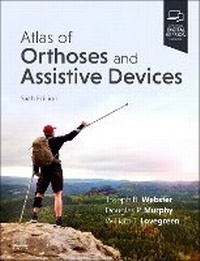
Atlas of Orthoses and Assistive Devices
6th Edition
Published on 7. August 2025
Book
Hardback
520 pages
978-0-443-12108-1 (ISBN)
Description
Offering a valuable balance of information for everyone on the rehabilitation team, Atlas of Orthoses and Assistive Devices, Sixth Edition, brings you up to date with rapid changes in every area of this fast-moving field. Significant new content, a new editor with specialization in prosthetics and orthotics, and new contributing authors deliver expert guidance on the decision-making process needed for the prescription and application of technologically complex devices. From traditional fabrication and fitting principles to advanced information in the material sciences, digital printing technology, neural stimulation systems, microprocessor technologies, and robotics, this new edition remains practical, readable, and evidence-based-an ideal resource to assist medical and rehabilitation professionals achieve optimal outcomes for patients with a wide variety of conditions.
Includes coverage of key advances in robotic systems, 3D printing technology, and virtual reality devices, as well as wearable inertial sensors in people with mobility impairments, plus a new chapter on digital technology in orthotics and prosthetics
Covers cutting-edge topics ranging from gait assessment strategies to novel therapies such as use of a virtual environment during rehabilitation
Features a vibrant, full-color design with numerous figures, tables, and color photographs throughout
Shares the knowledge and experience of new editor William Lovegreen, who brings specialized expertise in prosthetics and orthotics, as well as new contributing authors who provide fresh perspectives and greater international representation
Discusses brain-computer interface (BCI) systems relating to assistive technology (AT) systems and orthotics
Includes economic evaluations for orthotic and prosthetic devices
An eBook version is included with purchase. The eBook allows you to access all of the text, figures, and references, with the ability to search, customize your content, make notes and highlights, and have content read aloud. Additional digital ancillary content may publish up to 6 weeks following the publication date
Includes coverage of key advances in robotic systems, 3D printing technology, and virtual reality devices, as well as wearable inertial sensors in people with mobility impairments, plus a new chapter on digital technology in orthotics and prosthetics
Covers cutting-edge topics ranging from gait assessment strategies to novel therapies such as use of a virtual environment during rehabilitation
Features a vibrant, full-color design with numerous figures, tables, and color photographs throughout
Shares the knowledge and experience of new editor William Lovegreen, who brings specialized expertise in prosthetics and orthotics, as well as new contributing authors who provide fresh perspectives and greater international representation
Discusses brain-computer interface (BCI) systems relating to assistive technology (AT) systems and orthotics
Includes economic evaluations for orthotic and prosthetic devices
An eBook version is included with purchase. The eBook allows you to access all of the text, figures, and references, with the ability to search, customize your content, make notes and highlights, and have content read aloud. Additional digital ancillary content may publish up to 6 weeks following the publication date
More details
Edition
6th edition
Language
English
Place of publication
London
United Kingdom
Publishing group
Elsevier Health Sciences
Target group
Professional and scholarly
Product notice
sewn/stitched
Cloth over boards
Dimensions
Height: 282 mm
Width: 221 mm
Thickness: 25 mm
Weight
1656 gr
ISBN-13
978-0-443-12108-1 (9780443121081)
Copyright in bibliographic data and cover images is held by Nielsen Book Services Limited or by the publishers or by their respective licensors: all rights reserved.
Schweitzer Classification
Other editions
Previous edition
Joseph B. Webster | Douglas P. Murphy
Atlas of Orthoses and Assistive Devices
Book
01/2018
5th Edition
Elsevier
€204.26
Article exhausted; check for reprint
Persons
Dr. Douglas Murphy is a highly respected Medical Director of the Regional Amputation Center Hunter Holmes McGuire VA Medical Center in Richmond VA. Co-editor of our key text on 'Atlas of Orthoses and Assistive Devices', Dr Murphy is an expert in the field of robotic rehabilitation. His research interests include Brain Computer Interface and Prosthetics, Amputee Gait Deviations, Telemedicine, Prosthetics, and EMG. Joseph B. Webster is Director, Amputation Care, Clinician, Physical Medicine & Rehabilitation, Veterans Affairs Medical Center, Richmond, Virginia. William Lovegreen is Prosthetist-Orthotist Regional Clinical Director, Physical Medicine and Rehabilitation, Veterans Administration, Richmond, VA.
Editor
RAC Medical Director, Central Virginia Veterans Health Center, Richmond, Virginia, USA
Director, Amputation Care, Clinician, Physical Medicine & Rehabilitation, Veterans Affairs Medical Center, Richmond, Virginia, USA
Prosthetist-Orthotist Regional Clinical Director, Physical Medicine and Rehabilitation, Veterans Administration, Richmond, VA
Content
SECTION 1 Basics
1. Orthotic Prescription
2. Materials Science
3. Principles of Fabrication
4. Digital Technology in Orthotics and Prosthetics
5. Principles of Normal and Pathologic Gait
SECTION 2 Spinal Orthoses
6. Biomechanics of the Spine
7. Principles and Components of Spinal Orthoses
8. Orthoses for Spinal Pain
9. Orthoses for Spinal Deformities
10. Orthoses for Spinal Trauma and Postoperative Care
11. Orthoses for Osteoporosis
SECTION 3 Upper Limb Orthoses
12. Biomechanics of the Upper Limb
13. Principles and Components of Upper Limb Orthoses
14. Upper Limb Orthoses for Persons with Stroke and Brain Injury
15. Upper Limb Orthoses for Persons with Spinal Cord Injuries and Brachial Plexus Injuries
16. Orthoses for the Burned Hand
17. Orthotic Treatment Considerations for Arthritis and Overuse Syndromes in the Upper Limb
18. Functional Bracing of Selected Upper Limb Fractures
SECTION 4 Lower Limb Orthoses
19. Biomechanics of the Hip, Knee, and Ankle
20. Foot Biomechanics
21. Shoes and Shoe Modifications
22. Foot Orthoses
23. Lower Limb Orthoses
24. Lower Limb Orthoses for Persons with Spinal Cord Injury
25. Orthoses in Total Joint Arthroplasty
26. Knee Orthoses for Sports-Related Issues
27. Orthotic Management of Neuropathic and Dysvascular Feet
28. Orthotic Management of Polio and Postpolio Syndrome
29. Lower Limb Orthoses for Persons Who Have Had a Stroke
30. Assessment and Orthotic Management of Gait Dysfunction in Individuals with Traumatic Brain Injury
SECTION 5 Pediatric Orthoses
31. Congenital and Acquired Disorders
32. Pediatric Hip Orthoses
33. Orthoses for Patients with Muscle Disease
34. Orthoses for Cerebral Palsy
35. Orthoses for Myelomeningocele
36. Cranial Remolding Orthoses
SECTION 6 Assistive Devices
37. Canes, Crutches, and Walkers
38. Wheeled Mobility: Evaluation for Orthotic Seating and Positioning
39. Wheeled Mobility: Device Prescription and Care
40. Orthotic Management Considerations for Resource-Limited and Remote Settings
41. Communication Devices and Electronic Aids to Activities of Daily Living
42. Sports Adaptations and Assistive Devices for Recreation
43. Driving and Related Assistive Devices
44. Neuroprosthetic Applications
45. Exoskeletal-Assisted Rehabilitation After Spinal Cord Injury
46. Future Trends and Research in Orthoses
1. Orthotic Prescription
2. Materials Science
3. Principles of Fabrication
4. Digital Technology in Orthotics and Prosthetics
5. Principles of Normal and Pathologic Gait
SECTION 2 Spinal Orthoses
6. Biomechanics of the Spine
7. Principles and Components of Spinal Orthoses
8. Orthoses for Spinal Pain
9. Orthoses for Spinal Deformities
10. Orthoses for Spinal Trauma and Postoperative Care
11. Orthoses for Osteoporosis
SECTION 3 Upper Limb Orthoses
12. Biomechanics of the Upper Limb
13. Principles and Components of Upper Limb Orthoses
14. Upper Limb Orthoses for Persons with Stroke and Brain Injury
15. Upper Limb Orthoses for Persons with Spinal Cord Injuries and Brachial Plexus Injuries
16. Orthoses for the Burned Hand
17. Orthotic Treatment Considerations for Arthritis and Overuse Syndromes in the Upper Limb
18. Functional Bracing of Selected Upper Limb Fractures
SECTION 4 Lower Limb Orthoses
19. Biomechanics of the Hip, Knee, and Ankle
20. Foot Biomechanics
21. Shoes and Shoe Modifications
22. Foot Orthoses
23. Lower Limb Orthoses
24. Lower Limb Orthoses for Persons with Spinal Cord Injury
25. Orthoses in Total Joint Arthroplasty
26. Knee Orthoses for Sports-Related Issues
27. Orthotic Management of Neuropathic and Dysvascular Feet
28. Orthotic Management of Polio and Postpolio Syndrome
29. Lower Limb Orthoses for Persons Who Have Had a Stroke
30. Assessment and Orthotic Management of Gait Dysfunction in Individuals with Traumatic Brain Injury
SECTION 5 Pediatric Orthoses
31. Congenital and Acquired Disorders
32. Pediatric Hip Orthoses
33. Orthoses for Patients with Muscle Disease
34. Orthoses for Cerebral Palsy
35. Orthoses for Myelomeningocele
36. Cranial Remolding Orthoses
SECTION 6 Assistive Devices
37. Canes, Crutches, and Walkers
38. Wheeled Mobility: Evaluation for Orthotic Seating and Positioning
39. Wheeled Mobility: Device Prescription and Care
40. Orthotic Management Considerations for Resource-Limited and Remote Settings
41. Communication Devices and Electronic Aids to Activities of Daily Living
42. Sports Adaptations and Assistive Devices for Recreation
43. Driving and Related Assistive Devices
44. Neuroprosthetic Applications
45. Exoskeletal-Assisted Rehabilitation After Spinal Cord Injury
46. Future Trends and Research in Orthoses