

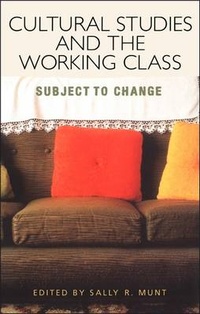
Cultural Studies and the Working Class
Subject to Change
Published on 1. March 2000
Book
Hardback
256 pages
978-0-304-70548-1 (ISBN)
Description
This work challenges the field of British cultural studies to return to the question of social class as a primary focus of study. The chapters examine contemporary working-class life and its depiction in the media through a number of case studies on topics such as popular cinema, football, romance magazines and club culture. The essays pose methodologies for understanding working-class responses to dominant culture, and explore the contradictions and limitations of the traditional Marxist model. The book's contributors conclude that it is time for cultural theorists to revisit issues of working-class cultural formations and to renew the original radical intentions of the discipline by reintegrating class analysis into social templates of race, sexuality and gender.
More details
Language
English
Place of publication
London
United Kingdom
Publishing group
Bloomsbury Publishing PLC
Target group
College/higher education
Professional and scholarly
Illustrations
4 figures, index
Dimensions
Height: 234 mm
Width: 153 mm
Weight
410 gr
ISBN-13
978-0-304-70548-1 (9780304705481)
Copyright in bibliographic data and cover images is held by Nielsen Book Services Limited or by the publishers or by their respective licensors: all rights reserved.
Schweitzer Classification
Other editions
Additional editions
Sally R. Munt
Cultural Studies and the Working Class
E-Book
03/2000
1st Edition
Continuum Publishing Corporation
€133.99
Available for download
Content
Part 1 Issues of working-class identity: if anywhere; discursive mothers and academic fandom; the theme that dare not speak its name; "this is about us, this is our film!"; black women and social class identity. Part 2 Class, taste and space: culture, class and taste; escape and escapism; the appearance of class; children's urban landscapes. Part 3 Gender, fictions and working-class subjectivities: "who do you say that I am?" - Jesus, gender and the (working-class) family romance; death in the good old days - true crime tales and social history; "can't help lovin' dat man" - social class and the female voice; homophobic violence; Millwall Football Club - masculinity, race and belonging.