

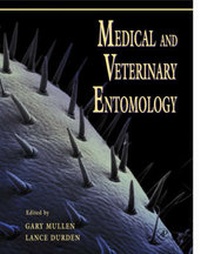
Medical and Veterinary Entomology
Published on 27. September 2002
Book
Hardback
616 pages
978-0-12-510451-7 (ISBN)
Description
Medical and Veterinary Entomology is a comprehensive text and is primarily intended for graduate students and upper level undergraduates studying the medical and veterinary significance of insects and related arthropods. The book will also appeal to a larger audience, specialists and non-specialists alike, including entomologists, parasitologists, biologists, epidemiologists, physicians, public health personnel, veterinarians, wildlife specialists and others looking for a readable, authoritative book on this topic. The first two chapters provide overviews of medical-veterinary entomology and epidemiology, respectively. These are followed by individual chapters devoted to each group of insects or arachnids of medical-veterinary importance and the health problems they can cause including their role as vectors of pathogens. Each of these chapters provides an overview of the taxonomy, biology and ecology of the group, and is followed by separate sections on their medical and veterinary importance, then by a section on prevention and control and, finally, by a list of references and further reading.
Reviews / Votes
"Designed to be comprehensive, the 597-page book covers 22 groups of insects and arachnids that can adversely affect the heath of humans and animals." --VETERINARY PRACTICE NEWS (JUNE 2004)"Highly recommended as a reference volume for public, college and university libraries or anyone seeking a detailed and thorough treatment of the subject. General readers; lower division undergraduates through professionals." --R.E. Lee Jr., Miami University for CHOICE (February 2003)
"This volume should command a place in all libraries and on bookshelves of all those who are seriously interested in entomology and eco-parasitology, whether they be clinicians, academics or students." --VETERINARY PARASITOLOGY (May 2003)
"...is without a doubt the finest book available in English on the subject today." --FLORIDA SCIENTIST (2003)
"The editiors and authors have crafted an outstanding, readable volume... Both students and professionals will find the wealth of information will serve as sound foundation for many years... As a text, this book will have a long uesful life." --Frank E. French, Georgia Southern University (June 2002)
"... the text was excellent. Unlike many other edited texts, this one adhered to a similar ground plan for all chapters and thus presented an even flow from one chapter to the next. The editors asked the best people in each of the specific areas to write chapters, and this choice of authorship was reflected in the quality of the contributions." --Marc J. Klowden, University of Idaho, College of Agriculture (February 2002)
"Let me start by saying this is an excellent book, probably the best text to comprehensively cover both medical and veterinary entomology." --Mike Service for ANNALS OF TROPICAL MEDICINE AND PARASITOLOGY (2002)
More details
Language
English
Place of publication
San Diego
United States
Publishing group
Elsevier Science Publishing Co Inc
Target group
Professional and scholarly
Academics, professionals and researchers in parasitology and entomology. Also veterinary scientists.
Dimensions
Height: 279 mm
Width: 216 mm
Weight
1846 gr
ISBN-13
978-0-12-510451-7 (9780125104517)
Copyright in bibliographic data and cover images is held by Nielsen Book Services Limited or by the publishers or by their respective licensors: all rights reserved.
Schweitzer Classification
Other editions
New editions
Gary R. Mullen | Lance A. Durden
Medical and Veterinary Entomology
Book
04/2009
2nd Edition
Academic Press
€91.75
Article exhausted; check for reprint
Persons
Gary Mullen is Professor of Entomology emeritus in the Department of Entomology and Plant Pathology at Auburn University, AL, USA. He earned his M.S. and Ph.D. degrees in entomology at Cornell University before serving as medical entomologist and administrator of the Pennsylvania Vector Control Program, Allegheny County Health Department, Pittsburgh, PA. He joined the faculty of Auburn University in 1975 as a medical-veterinary entomologist, acarologist, and aquatic ecologist, teaching courses and conducting research at Auburn for 34 years. His major areas of research have focused on biting flies, notably mosquitoes and biting midges, and ticks as vectors of animal pathogens Lance Durden is Professor of Vector Ecology and Curator of the Insect Collection in the Department of Biology at Georgia Southern University, Statesboro, USA. He earned a Ph.D. in Zoology from the University of London, UK and has worked at Vanderbilt School of Medicine in Nashville, Tennessee, the Smithsonian Institution in Washington DC, Auburn University in Alabama, and the U.S. Army Medical Research Institute of Infectious Diseases (USAMRIID) in Frederick, Maryland. He is the author or co-author of approximately 300 peer-reviewed publications including 24 book chapters and 7 books or monographs. His research focuses on ectoparasitic arthropods and vector-borne diseases.
Content
Contributors
Preface
Acknowledgments
Chapter 1. Introduction
General Entomology
Medical-Veterinary Entomology Literature
History of Medical-Veterinary Entomology
Identification and Systematics of Arthropods of Medical-Veterinary Importance
Types of Problems Caused by Arthropods
Arthropod-Borne Diseases
Food Contaminants
Fear of Arthropods
Delusory Parasitosis
Toxins and Venoms
Host Defenses
Forensic Entomology
Minor Arthropod Problems of Medical-Veterinary Interest
References and Further Reading
Chapter 2. Epidemiology of Vector-Borne Diseases
Components of Transmission Cycles
Modes of Transmission
Transmission Cycles
Interseasonal Maintenance
Vector Incrimination
Surveillance
References and Further Reading
Chapter 3. Cockroaches (Blattaria)
Taxonomy
Morphology
Life History
Behavior and Ecology
Common Cockroach Species
Public Health Importance
Veterinary Importance
Prevention and Control
References and Further Reading
Chapter 4. Lice (Phthiraptera)
Taxonomy
Morphology
Life History
Behavior and Ecology
Lice of Medical Interest
Lice of Veterinary Interest
Public Health Importance
Veterinary Importance
Prevention and Control
References and Further Reading
Chapter 5. True Bugs (Hemiptera)
Kissing Bugs (Reduviidae)
Taxonomy
Morphology
Life History
Behavior and Ecology
Public Health Importance
Veterinary Importance
Prevention and Control
Bed Bugs (Cimicidae)
Taxonomy
Morphology
Life History
Behavior and Ecology
Public Health Importance
Veterinary Importance
Prevention and Control
References and Further Reading
Chapter 6. Beetles (Coleoptera)
Taxonomy
Morphology
Life History
Behavior and Ecology
Public Health Importance
Veterinary Importance
Prevention and Control
References and Further Reading
Chapter 7. Fleas (Siphonaptera)
Taxonomy
Morphology
Life History
Behavior and Ecology
Fleas of Medical-Veterinary Importance
Public Health Importance
Veterinary Importance
Prevention and Control
References and Further Reading
Chapter 8. Flies (Diptera)
Taxonomy
Morphology
Life History
Behavior and Ecology
Families of Minor Medical or Veterinary Interest
Public Health Importance
Veterinary Importance
Prevention and Control
References and Further Reading
Chapter 9. Moth Flies and Sand Flies (Psychodidae)
Taxonomy
Morphology
Life History
Behavior and Ecology
Public Health Importance
Veterinary Importance
Prevention and Control
References and Further Reading
Chapter 10. Biting Midges (Ceratopogonidae)
Taxonomy
Morphology
Life History
Behavior and Ecology
Public Health Importance
Veterinary Importance
Prevention and Control
References and Further Reading
Chapter 11. Black Flies (Simuliidae)
Taxonomy
Morphology
Life History
Behavior and Ecology
Public Health Importance
Veterinary Importance
Prevention and Control
References and Further Reading
Chapter 12. Mosquitoes (Culicidae)
Taxonomy
Morphology
Life History
Behavior and Ecology
Public Health Importance
Veterinary Importance
Prevention and Control
References and Further Reading
Chapter 13. Horse Flies and Deer Flies (Tabanidae)
Taxonomy
Morphology
Life History
Behavior and Ecology
Public Health Importance
Veterinary Importance
Prevention and Control
References and Further Reading
Chapter 14. Muscid Flies (Muscidae)
Taxonomy
Morphology
Life History
Behavior and Ecology
Species of Medical-Veterinary Importance
Public Health Importance
Veterinary Importance
Prevention and Control
References and Further Reading
Chapter 15. Tsetse Flies (Glossinidae)
Taxonomy
Morphology
Life History
Behavior and Ecology
Public Health Importance
Veterinary Importance
Prevention and Control
References and Further Reading
Chapter 16. Myiasis (Muscoidea, Oestroidea)
Taxonomy
Morphology
Life History
Ecology and Behavior
Flies Involved in Myiasis
Public Health Importance
Veterinary Importance
Prevention and Control
References and Further Reading
Chapter 17. Louse Flies, Reds, and Related Flies (Hippoboscoidea)
Taxonomy
Morphology
Life History
Behavior and Ecology
Common Species of Hippoboscids
Public Health Importance
Veterinary Importance
Prevention and Control
References and Further Reading
Chapter 18. Moths and Butterflies (Lepidoptera)
Taxonomy
Morphology
Life History
Behavior and Ecology
Public Health Importance
Veterinary Importance
Prevention and Control
References and Further Reading
Chapter 19. Ants, Wasps,and Bees (Hymenoptera)
Taxonomy
Morphology
Life History
Behavior and Ecology
Hymenoptera Venoms
Ants
Wasps and Hornets
Bees
Public Health Importance
Veterinary Importance
Prevention and Control
References and Further Reading
Chapter 20. Scorpions (Scorpiones)
Taxonomy
Morphology
Life History
Behavior and Ecology
Public Health Importance
Veterinary Importance
Prevention and Control
References and Further Reading
Chapter 21. Solpugids (Solifugae)
References and Further Reading
Chapter 22. Spiders (Araneae)
Taxonomy
Morphology
Life History
Behavior and Ecology
Public Health Importance
Veterinary Importance
Prevention and Control
References and Further Reading
Chapter 23. Mites (Acari)
Taxonomy
Morphology
Life History
Behavior and Ecology
Public Health Importance
Mite-Borne Diseases of Humans
Veterinary Importance
References and Further Reading
Chapter 24. Ticks (Ixodida)
Taxonomy
Morphology
Life History
Behavior and Ecology
Tick Species of Medical-Veterinary Importance
Public Health Importance
Veterinary Importance
Prevention and Control
References and Further Reading
Taxonomic Index
Subject Index
Preface
Acknowledgments
Chapter 1. Introduction
General Entomology
Medical-Veterinary Entomology Literature
History of Medical-Veterinary Entomology
Identification and Systematics of Arthropods of Medical-Veterinary Importance
Types of Problems Caused by Arthropods
Arthropod-Borne Diseases
Food Contaminants
Fear of Arthropods
Delusory Parasitosis
Toxins and Venoms
Host Defenses
Forensic Entomology
Minor Arthropod Problems of Medical-Veterinary Interest
References and Further Reading
Chapter 2. Epidemiology of Vector-Borne Diseases
Components of Transmission Cycles
Modes of Transmission
Transmission Cycles
Interseasonal Maintenance
Vector Incrimination
Surveillance
References and Further Reading
Chapter 3. Cockroaches (Blattaria)
Taxonomy
Morphology
Life History
Behavior and Ecology
Common Cockroach Species
Public Health Importance
Veterinary Importance
Prevention and Control
References and Further Reading
Chapter 4. Lice (Phthiraptera)
Taxonomy
Morphology
Life History
Behavior and Ecology
Lice of Medical Interest
Lice of Veterinary Interest
Public Health Importance
Veterinary Importance
Prevention and Control
References and Further Reading
Chapter 5. True Bugs (Hemiptera)
Kissing Bugs (Reduviidae)
Taxonomy
Morphology
Life History
Behavior and Ecology
Public Health Importance
Veterinary Importance
Prevention and Control
Bed Bugs (Cimicidae)
Taxonomy
Morphology
Life History
Behavior and Ecology
Public Health Importance
Veterinary Importance
Prevention and Control
References and Further Reading
Chapter 6. Beetles (Coleoptera)
Taxonomy
Morphology
Life History
Behavior and Ecology
Public Health Importance
Veterinary Importance
Prevention and Control
References and Further Reading
Chapter 7. Fleas (Siphonaptera)
Taxonomy
Morphology
Life History
Behavior and Ecology
Fleas of Medical-Veterinary Importance
Public Health Importance
Veterinary Importance
Prevention and Control
References and Further Reading
Chapter 8. Flies (Diptera)
Taxonomy
Morphology
Life History
Behavior and Ecology
Families of Minor Medical or Veterinary Interest
Public Health Importance
Veterinary Importance
Prevention and Control
References and Further Reading
Chapter 9. Moth Flies and Sand Flies (Psychodidae)
Taxonomy
Morphology
Life History
Behavior and Ecology
Public Health Importance
Veterinary Importance
Prevention and Control
References and Further Reading
Chapter 10. Biting Midges (Ceratopogonidae)
Taxonomy
Morphology
Life History
Behavior and Ecology
Public Health Importance
Veterinary Importance
Prevention and Control
References and Further Reading
Chapter 11. Black Flies (Simuliidae)
Taxonomy
Morphology
Life History
Behavior and Ecology
Public Health Importance
Veterinary Importance
Prevention and Control
References and Further Reading
Chapter 12. Mosquitoes (Culicidae)
Taxonomy
Morphology
Life History
Behavior and Ecology
Public Health Importance
Veterinary Importance
Prevention and Control
References and Further Reading
Chapter 13. Horse Flies and Deer Flies (Tabanidae)
Taxonomy
Morphology
Life History
Behavior and Ecology
Public Health Importance
Veterinary Importance
Prevention and Control
References and Further Reading
Chapter 14. Muscid Flies (Muscidae)
Taxonomy
Morphology
Life History
Behavior and Ecology
Species of Medical-Veterinary Importance
Public Health Importance
Veterinary Importance
Prevention and Control
References and Further Reading
Chapter 15. Tsetse Flies (Glossinidae)
Taxonomy
Morphology
Life History
Behavior and Ecology
Public Health Importance
Veterinary Importance
Prevention and Control
References and Further Reading
Chapter 16. Myiasis (Muscoidea, Oestroidea)
Taxonomy
Morphology
Life History
Ecology and Behavior
Flies Involved in Myiasis
Public Health Importance
Veterinary Importance
Prevention and Control
References and Further Reading
Chapter 17. Louse Flies, Reds, and Related Flies (Hippoboscoidea)
Taxonomy
Morphology
Life History
Behavior and Ecology
Common Species of Hippoboscids
Public Health Importance
Veterinary Importance
Prevention and Control
References and Further Reading
Chapter 18. Moths and Butterflies (Lepidoptera)
Taxonomy
Morphology
Life History
Behavior and Ecology
Public Health Importance
Veterinary Importance
Prevention and Control
References and Further Reading
Chapter 19. Ants, Wasps,and Bees (Hymenoptera)
Taxonomy
Morphology
Life History
Behavior and Ecology
Hymenoptera Venoms
Ants
Wasps and Hornets
Bees
Public Health Importance
Veterinary Importance
Prevention and Control
References and Further Reading
Chapter 20. Scorpions (Scorpiones)
Taxonomy
Morphology
Life History
Behavior and Ecology
Public Health Importance
Veterinary Importance
Prevention and Control
References and Further Reading
Chapter 21. Solpugids (Solifugae)
References and Further Reading
Chapter 22. Spiders (Araneae)
Taxonomy
Morphology
Life History
Behavior and Ecology
Public Health Importance
Veterinary Importance
Prevention and Control
References and Further Reading
Chapter 23. Mites (Acari)
Taxonomy
Morphology
Life History
Behavior and Ecology
Public Health Importance
Mite-Borne Diseases of Humans
Veterinary Importance
References and Further Reading
Chapter 24. Ticks (Ixodida)
Taxonomy
Morphology
Life History
Behavior and Ecology
Tick Species of Medical-Veterinary Importance
Public Health Importance
Veterinary Importance
Prevention and Control
References and Further Reading
Taxonomic Index
Subject Index