

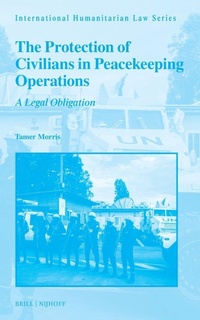
The Protection of Civilians in Peacekeeping Operations
A Legal Obligation
Published on 17. October 2024
Book
Hardback
286 pages
978-90-04-70730-6 (ISBN)
Description
While the Security Council has been mandating peacekeepers to protect civilians since 1999, there is still contention on its legal meaning. Even though the concept of 'protection' can seem self-evident, as the concept of 'protection' is borrowed language, each body of law will perceive 'protection' through a different lens. However, as the mandate creates a legal obligation on UN peace missions, a clear understanding of protection is fundamental to ensure performance and accountability.
More details
Series
Language
English
Place of publication
Netherlands
Publishing group
Brill
Target group
Professional and scholarly
Product notice
sewn/stitched
Cloth over boards
Dimensions
Height: 241 mm
Width: 157 mm
Thickness: 20 mm
Weight
540 gr
ISBN-13
978-90-04-70730-6 (9789004707306)
Copyright in bibliographic data and cover images is held by Nielsen Book Services Limited or by the publishers or by their respective licensors: all rights reserved.
Schweitzer Classification
Person
Tamer Morris, Ph.D. (2021), University of Sydney, is a lecturer in International Law at University of Sydney Law School.
Content
????Acknowledgement??
Note on Previous Publications and Presentations??
Introduction??
?1?The Evolution of the Protection of Civilians Mandate
?2?Peacekeeping Structure and Deployment
?3?Methodology
1???The Legal Obligation to Protect Civilians??
?1?The Legal Obligation of the Protection of Civilians Mandate
?1.1?The Positive Obligation to Protect on ?tcc????s and UN??
?1.2?The Obligation on the UN??
?1.3?The Obligation of the Host State??
?2?The Content of the Obligation to Protect
?2.1?Obligation to Protect under ?ihl???
?2.2?Obligation to Protect in ?ihrl???
?3?Protection of Civilians and Humanitarian Intervention
?4?Conclusion
2???The Interpretation of Protection??
?1?What Is Protection?
?2?Interpreting the Impossible Mandate
?2.1?Multi-Dimensional Peacekeeping??
?3?The Language of the Protection of Civilians Mandate
?3.1?Protection from Physical Violence??
?4?Qualifications to the Obligation to Protect
?4.1?Preventive Protection??
?4.2?Proactive Protection and the Rise of Protection Forces??
?5?Protection and Promotion of Human Rights
?5.1?Human Rights Protection in UN Peacekeeping??
?5.2?Social, Political and Economic Rights??
?5.3?Humanitarian Protection??
?6?The Core 'Constitutional' Principles
?6.1?Consent??
?6.2?Impartiality??
?6.3?The Use of Force in Self-Defence??
?7?Conclusion
3???Protection from threats of Physical Violence and ?ihl???
?1?Central Theme of Physical Violence
?1.1?The Focus on the Use of Force to Protect??
?1.2?A Legal Indicator to the Use of Force??
?2?The Application of ihl in UN Peace Missions
?3?Classification of Conflict Involving UN Peace Missions
?3.1?Status of Peacekeepers in Armed Conflict??
?3.2?Scope and Duration of ?ihl???
?4?The Obligation to Protect and ihl
?4.1?Counter-Terrorist Measures??
?5?Priority of Protection and Self-Defence
?6?Conclusion
4???Law Enforcement under the Protection of Civilians Mandate??
?1?unpol in UN Peacekeeping
?2?Protection of Civilians Mandate for unpol
?2.1?Protection against Sexual and Gender-Based Violence??
?3?Law Enforcement and Detention in UN Peace Missions
?4?Detentions Made by Peacekeepers
?4.1?Legal Grounds for Detention??
?4.2?Treatment of Security Detainees??
?5?Transferring and Releasing Detainees
?5.1?The Principle of Non-refoulement??
?6?Conclusion
5???The Protection of Women and Children??
?1?Women and Children as 'Vulnerable' Civilians
?2?Protection under the Maintenance of International Peace and Security
?3?The Protection from Conflict-Related Sexual Violence
?4?Child Protection
?4.1?The Protections Afforded to Children in Armed Conflict??
?4.2?Defining the 'Child' under the Law??
?4.3?Protection Provided to Child Soldiers??
?4.4?ddr? Process and Child Soldiers??
?4.5?Incidental Removal of Children from Armed Groups??
?4.6?Use of Force against Child Soldiers??
?5?Protection against Child Soldiers
?6?Protection Advisors and Training
?7?Conclusion
6???The Protection of ?idp????s??
?1?Protection of idp?s
?2?Protection of idp Camps
?2.1?UN Effective Control over Individuals and ?idp? Camps??
?2.2?Security Risks Due to Lack of Planning of ?idp? Camps??
?2.3?Security Risk from Poor Design of ?idp? Camps??
?3?Protection of Human Rights in idp Camps
?3.1?The Right to Food and Water??
?3.2?The Right to Education??
?3.3?Protection of Access to Health Care??
?4?Conclusion
7???Accountability for Failure to Protect??
?1?Accountability of Peacekeepers' Actions
?1.1?UN Operational Control and ?tcc?/??pcc? Disciplinary Responsibility??
?2?Law of State and Organisational Responsibility
?2.1?Effective Control Test??
?2.2?Joint Responsibility of UN Peace Operations??
?2.3?Civilian Peacekeepers??
?3?Immunity of the UN
?4?Individual Peacekeeper Accountability
?4.1?Immunity from Host State Jurisdiction??
?4.2?Accountability under ?tcc?/??pcc? Military Code??
?5?The Responsibility of the tcc/?pcc under International Law
?6?Obligation on the UN Leadership
?7?Conclusion
Conclusion??
Appendix 1???Timeline of Protection of Civilians in Peacekeeping??
Appendix 2???Summary of Peacekeeping Missions from 1999 to April 2024??
Appendix 3???List of Questions Asked to Participants??
Bibliography??
Index??
Note on Previous Publications and Presentations??
Introduction??
?1?The Evolution of the Protection of Civilians Mandate
?2?Peacekeeping Structure and Deployment
?3?Methodology
1???The Legal Obligation to Protect Civilians??
?1?The Legal Obligation of the Protection of Civilians Mandate
?1.1?The Positive Obligation to Protect on ?tcc????s and UN??
?1.2?The Obligation on the UN??
?1.3?The Obligation of the Host State??
?2?The Content of the Obligation to Protect
?2.1?Obligation to Protect under ?ihl???
?2.2?Obligation to Protect in ?ihrl???
?3?Protection of Civilians and Humanitarian Intervention
?4?Conclusion
2???The Interpretation of Protection??
?1?What Is Protection?
?2?Interpreting the Impossible Mandate
?2.1?Multi-Dimensional Peacekeeping??
?3?The Language of the Protection of Civilians Mandate
?3.1?Protection from Physical Violence??
?4?Qualifications to the Obligation to Protect
?4.1?Preventive Protection??
?4.2?Proactive Protection and the Rise of Protection Forces??
?5?Protection and Promotion of Human Rights
?5.1?Human Rights Protection in UN Peacekeeping??
?5.2?Social, Political and Economic Rights??
?5.3?Humanitarian Protection??
?6?The Core 'Constitutional' Principles
?6.1?Consent??
?6.2?Impartiality??
?6.3?The Use of Force in Self-Defence??
?7?Conclusion
3???Protection from threats of Physical Violence and ?ihl???
?1?Central Theme of Physical Violence
?1.1?The Focus on the Use of Force to Protect??
?1.2?A Legal Indicator to the Use of Force??
?2?The Application of ihl in UN Peace Missions
?3?Classification of Conflict Involving UN Peace Missions
?3.1?Status of Peacekeepers in Armed Conflict??
?3.2?Scope and Duration of ?ihl???
?4?The Obligation to Protect and ihl
?4.1?Counter-Terrorist Measures??
?5?Priority of Protection and Self-Defence
?6?Conclusion
4???Law Enforcement under the Protection of Civilians Mandate??
?1?unpol in UN Peacekeeping
?2?Protection of Civilians Mandate for unpol
?2.1?Protection against Sexual and Gender-Based Violence??
?3?Law Enforcement and Detention in UN Peace Missions
?4?Detentions Made by Peacekeepers
?4.1?Legal Grounds for Detention??
?4.2?Treatment of Security Detainees??
?5?Transferring and Releasing Detainees
?5.1?The Principle of Non-refoulement??
?6?Conclusion
5???The Protection of Women and Children??
?1?Women and Children as 'Vulnerable' Civilians
?2?Protection under the Maintenance of International Peace and Security
?3?The Protection from Conflict-Related Sexual Violence
?4?Child Protection
?4.1?The Protections Afforded to Children in Armed Conflict??
?4.2?Defining the 'Child' under the Law??
?4.3?Protection Provided to Child Soldiers??
?4.4?ddr? Process and Child Soldiers??
?4.5?Incidental Removal of Children from Armed Groups??
?4.6?Use of Force against Child Soldiers??
?5?Protection against Child Soldiers
?6?Protection Advisors and Training
?7?Conclusion
6???The Protection of ?idp????s??
?1?Protection of idp?s
?2?Protection of idp Camps
?2.1?UN Effective Control over Individuals and ?idp? Camps??
?2.2?Security Risks Due to Lack of Planning of ?idp? Camps??
?2.3?Security Risk from Poor Design of ?idp? Camps??
?3?Protection of Human Rights in idp Camps
?3.1?The Right to Food and Water??
?3.2?The Right to Education??
?3.3?Protection of Access to Health Care??
?4?Conclusion
7???Accountability for Failure to Protect??
?1?Accountability of Peacekeepers' Actions
?1.1?UN Operational Control and ?tcc?/??pcc? Disciplinary Responsibility??
?2?Law of State and Organisational Responsibility
?2.1?Effective Control Test??
?2.2?Joint Responsibility of UN Peace Operations??
?2.3?Civilian Peacekeepers??
?3?Immunity of the UN
?4?Individual Peacekeeper Accountability
?4.1?Immunity from Host State Jurisdiction??
?4.2?Accountability under ?tcc?/??pcc? Military Code??
?5?The Responsibility of the tcc/?pcc under International Law
?6?Obligation on the UN Leadership
?7?Conclusion
Conclusion??
Appendix 1???Timeline of Protection of Civilians in Peacekeeping??
Appendix 2???Summary of Peacekeeping Missions from 1999 to April 2024??
Appendix 3???List of Questions Asked to Participants??
Bibliography??
Index??