

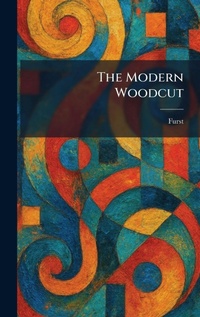
The Modern Woodcut
Description
"The Modern Woodcut" is an insightful and comprehensive examination of the woodcut as a vital medium of artistic expression in the early 20th century. Written by Herbert Furst, this work explores the evolution of printmaking from its historical roots to its resurgence as a cornerstone of modern art. The book delves into the technical and aesthetic developments that allowed woodcuts to transition from a mere craft of reproduction to a sophisticated tool for avant-garde creators.
Through detailed analysis, Furst examines the contributions of various artists and movements, highlighting how the medium's unique textural qualities and bold contrasts resonated with the modernist sensibility. "The Modern Woodcut" serves as both a historical record and a theoretical defense of the woodcut, positioning it as a dynamic and essential genre within the graphic arts. This study remains an invaluable resource for art historians, printmakers, and enthusiasts of early modernism, offering a window into a period of significant transition in the visual arts and the revival of traditional techniques in a contemporary context.
This work has been selected by scholars as being culturally important, and is part of the knowledge base of civilization as we know it. This work was reproduced from the original artifact, and remains as true to the original work as possible. Therefore, you may see the original copyright references, library stamps (as most of these works have been housed in our most important libraries around the world), and other notations in the work.
This work is in the public domain in the United States of America, and possibly other nations. Within the United States, you may freely copy and distribute this work, as no entity (individual or corporate) has a copyright on the body of the work.
As a reproduction of a historical artifact, this work may contain missing or blurred pages, poor pictures, errant marks, etc. Scholars believe, and we concur, that this work is important enough to be preserved, reproduced, and made generally available to the public. We appreciate your support of the preservation process, and thank you for being an important part of keeping this knowledge alive and relevant.