

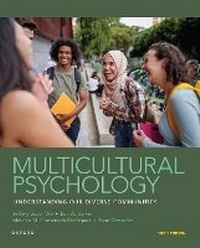
Multicultural Psychology
6th Edition
Published on 19. September 2023
Book
Paperback/Softback
552 pages
978-0-19-764127-9 (ISBN)
Description
Multicultural Psychology combines quantitative and qualitative research with anecdotal material to examine an array of multicultural issues and capture the richness of diverse cultures. The text focuses on compelling topics such as differences in world views, communication, racial and cultural identity, development, racism, and immigration. Other issues covered in the text include gender, sexuality, age, and ability. The authors provide a strong, vivid and personal voice to the text, richly populating it with anecdotes from themselves, their students, and other contributors and using them as central points around which to build their case for multicultural issues based on science.
Reviews / Votes
This textbook is a wonderful resource for any undergraduate or even graduate Multicultural Psychology course. The vignettes and quotes help students personify the concepts. Material is presented clearly and thoughtfully. Examples are updated for relevance based on current events and emerging research. I have used various editions of this book for nearly a decade and would highly recommend it."- Lauren Haack, University of San Francisco A very readable and relatable introductory text to cross cultural and multicultural psychology. I like that there are anecdotes from the authors' students that demonstrate how topics relate to students' lives as well as up-dated examples of events in the news that relate to topics we are studying."
- Callista Lee, Fullerton College A new approach to teaching cultural psychology that includes actual short stories and is very reader friendly."
- Dr. Rebecca Ewing, Western New Mexico University
More details
Edition
6th Revised edition
Language
English
Place of publication
New York
United States
Edition type
Revised edition
Dimensions
Height: 191 mm
Width: 233 mm
Thickness: 24 mm
Weight
939 gr
ISBN-13
978-0-19-764127-9 (9780197641279)
Copyright in bibliographic data and cover images is held by Nielsen Book Services Limited or by the publishers or by their respective licensors: all rights reserved.
Schweitzer Classification
Persons
Dr. Jeffrey Scott Mio is a professor in the Psychology and Sociology Department at California State Polytechnic University, Pomona, where he is also serves as the Director of the M.S. in Psychology Program. He received his Ph.D. from the University of Illinois, Chicago in 1984. Dr. Mio has taught multicultural psychology since 1986. He is a Fellow in Division 2 (Society for the Teaching of Psychology) and past president of Division 45 (Society for the Psychological Study of Ethnic Minority Issues) of the American Psychological Association as well as a Fellow of the Asian American Psychological Association and the Western Psychological Association.
Dr. Lori Barker is a professor in the Psychology and Sociology Department at California State Polytechnic University, Pomona. Dr. Barker is a licensed psychologist and also works part-time as the Administrative Director of the Cal Poly Pomona, Ennis W. Cosby Child and Family Services Friendmobile. Dr. Barker received her Ph.D. in clinical
psychology from UCLA.
Dr. Melanie M. Domenech Rodriguez is a Professor of Psychology at Utah State University (USU). Dr. Domenech Rodriguez has been actively engaged in programs of parenting intervention research with Latino families in Mexico, Puerto Rico, and Michigan. Dr. Domenech Rodriguez is a licensed psychologist in Utah, Puerto Rico, and Idaho. She received her Ph.D from Colorado State University. She completed a postdoctoral fellowship with the Family Research Consortium - III at the University of Washington. Dr. Domenech Rodriguez is a fellow of the American Psychological Association. She has received awards for mentorship (MENTOR award from the Society for the Clinical Psychology of Ethnic Minorities, APA Division 12, Section 6), research (Emerging Professional Award from the Society for the Study of Culture, Race, and Ethnicity, APA Division 45), service (Star Vega Distinguished Service Award from the National Latina/o Psychological Association), and the advancement of
diversity issues in psychology (Carol Atteneave Award for Diversity, Society for Family Psychology, APA Division 43). She has served on the APA Ethics Committee as an associate member and is President of the Society for the Clinical Psychology of Ethnic Minorities. She is also Editor of the Psi Chi Journal of Psychological Research.
John Gonzalez is an Associate Professor of Psychology at Bemidji State University in Minnesota and a member of the White Earth Anishinaabe Nation. He has his doctorate in Clinical Psychology from the University of North Dakota and received his undergraduate degree in Psychology from Bemidji State University (BSU). Dr. Gonzalez's main areas of interest and research lies within cultural psychology, multicultural psychology, and community psychology. And more specifically, Dr. Gonzalez has research interests in the mental well-being and behavioral health of indigenous people and ethnic minorities.
Dr. Lori Barker is a professor in the Psychology and Sociology Department at California State Polytechnic University, Pomona. Dr. Barker is a licensed psychologist and also works part-time as the Administrative Director of the Cal Poly Pomona, Ennis W. Cosby Child and Family Services Friendmobile. Dr. Barker received her Ph.D. in clinical
psychology from UCLA.
Dr. Melanie M. Domenech Rodriguez is a Professor of Psychology at Utah State University (USU). Dr. Domenech Rodriguez has been actively engaged in programs of parenting intervention research with Latino families in Mexico, Puerto Rico, and Michigan. Dr. Domenech Rodriguez is a licensed psychologist in Utah, Puerto Rico, and Idaho. She received her Ph.D from Colorado State University. She completed a postdoctoral fellowship with the Family Research Consortium - III at the University of Washington. Dr. Domenech Rodriguez is a fellow of the American Psychological Association. She has received awards for mentorship (MENTOR award from the Society for the Clinical Psychology of Ethnic Minorities, APA Division 12, Section 6), research (Emerging Professional Award from the Society for the Study of Culture, Race, and Ethnicity, APA Division 45), service (Star Vega Distinguished Service Award from the National Latina/o Psychological Association), and the advancement of
diversity issues in psychology (Carol Atteneave Award for Diversity, Society for Family Psychology, APA Division 43). She has served on the APA Ethics Committee as an associate member and is President of the Society for the Clinical Psychology of Ethnic Minorities. She is also Editor of the Psi Chi Journal of Psychological Research.
John Gonzalez is an Associate Professor of Psychology at Bemidji State University in Minnesota and a member of the White Earth Anishinaabe Nation. He has his doctorate in Clinical Psychology from the University of North Dakota and received his undergraduate degree in Psychology from Bemidji State University (BSU). Dr. Gonzalez's main areas of interest and research lies within cultural psychology, multicultural psychology, and community psychology. And more specifically, Dr. Gonzalez has research interests in the mental well-being and behavioral health of indigenous people and ethnic minorities.
Content
- Preface
- Acknowledgments
- About the Authors
- Chapter 1-What Is Multicultural Psychology?
- Chapter 2-Multicultural Issues Involving Research and Testing
- Chapter 3-Cultural Differences in Worldviews
- Chapter 4-Cultural Differences in Communication
- Chapter 5-Immigrants, Refugees, and the Acculturation Process
- Chapter 6-Stereotyping, Prejudice, Discrimination, and Racism
- Chapter 7-Cultural Identity Development
- Chapter 8-Culture and Health
- Chapter 9-Culture and Mental Health
- Chapter 10-Where Do We Go from Here? Building Multicultural Competence
- Cultural Humility
- A Change in Worldview
- Summary
- Glossary
- References
- Index
- Acknowledgments
- About the Authors
- Chapter 1-What Is Multicultural Psychology?
- Chapter 2-Multicultural Issues Involving Research and Testing
- Chapter 3-Cultural Differences in Worldviews
- Chapter 4-Cultural Differences in Communication
- Chapter 5-Immigrants, Refugees, and the Acculturation Process
- Chapter 6-Stereotyping, Prejudice, Discrimination, and Racism
- Chapter 7-Cultural Identity Development
- Chapter 8-Culture and Health
- Chapter 9-Culture and Mental Health
- Chapter 10-Where Do We Go from Here? Building Multicultural Competence
- Cultural Humility
- A Change in Worldview
- Summary
- Glossary
- References
- Index