

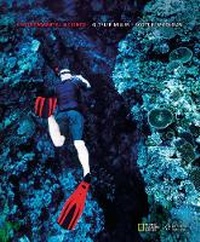
Environmental Science
15th Edition
Will be published approx. on 1. January 2015
Book
Paperback/Softback
592 pages
978-1-305-09044-6 (ISBN)
Description
"Inspiring people to care about the planet ..." In the new edition of ENVIRONNMENTAL SCIENCE, authors Tyler Miller and Scott Spoolman have partnered with the National Geographic Society to develop a text that will equip you with the inspiration and knowledge you need to make a difference solving today's environmental issues.
Exclusive content highlights important work of National Geographic Explorers and Grantees and features over 180 new photos, maps, and illustrations that bring course concepts to life. Using this empowering book, you will learn how nature works, how you interact with it, and how you can use various scientific principles based on how nature has sustained life on the earth for billions of years to live more sustainably.
Exclusive content highlights important work of National Geographic Explorers and Grantees and features over 180 new photos, maps, and illustrations that bring course concepts to life. Using this empowering book, you will learn how nature works, how you interact with it, and how you can use various scientific principles based on how nature has sustained life on the earth for billions of years to live more sustainably.
More details
Edition
15th edition
Language
English
Place of publication
CA
United States
Publishing group
Cengage Learning, Inc
Target group
College/higher education
Dimensions
Height: 25 mm
Width: 223 mm
Thickness: 269 mm
Weight
1160 gr
ISBN-13
978-1-305-09044-6 (9781305090446)
Copyright in bibliographic data and cover images is held by Nielsen Book Services Limited or by the publishers or by their respective licensors: all rights reserved.
Schweitzer Classification
Other editions
New editions
G. Miller | Scott Spoolman
Environmental Science
Book
01/2018
16th Edition
Brooks/Cole
€94.08
Shipment within 10-15 days
Persons
G. Tyler Miller has written 65 editions of textbooks for introductory courses in environmental science, basic ecology, energy and environmental chemistry. Since 1975, his books have been among the most widely used textbooks for environmental science in the United States and throughout the world. Translated into eight languages, they have been used by more than 3 million students. Dr. Miller has a professional background in chemistry, physics and ecology. He taught college for 20 years, developed one of the nation's first environmental studies programs and created an innovative interdisciplinary undergraduate science program before deciding to write environmental science textbooks full time in 1975. Now retired, Dr. Miller created Earth Education and Research, an enterprise that was devoted to improving environmental education. He has a Ph.D. from the University of Virginia and has received honorary doctoral degrees in recognition of his significant contributions to environmental education. G. Tyler Miller has written 65 editions of textbooks for introductory courses in environmental science, basic ecology, energy and environmental chemistry. Since 1975, his books have been among the most widely used textbooks for environmental science in the United States and throughout the world. Translated into eight languages, they have been used by more than 3 million students. Dr. Miller has a professional background in chemistry, physics and ecology. He taught college for 20 years, developed one of the nation's first environmental studies programs and created an innovative interdisciplinary undergraduate science program before deciding to write environmental science textbooks full time in 1975. Now retired, Dr. Miller created Earth Education and Research, an enterprise that was devoted to improving environmental education. He has a Ph.D. from the University of Virginia and has received honorary doctoral degrees in recognition of his significant contributions to environmental education. Scott Spoolman is an experienced writer in the field of educational publishing, with more than 30 years of expertise. Between 2003 and 2018, he worked with Tyler Miller as a co-author on editions of LIVING IN THE ENVIRONMENT, ENVIRONMENTAL SCIENCE and SUSTAINING THE EARTH. With Norman Myers, he co-authored ENVIRONMENTAL ISSUES AND SOLUTIONS: A MODULAR APPROACH. Spoolman has authored numerous books and articles in the fields of environmental science, geology and natural history, politics and business. Additionally, he has served as a consulting editor, contributing to the development of over 70 college and high school textbooks in the natural and social sciences. He earned a master's degree in science journalism from the University of Minnesota. In his free time, Spoolman enjoys exploring the forests and waters of his native Wisconsin along with his family -- his wife, environmental educator Gail Martinelli, son Will and daughter Katie. Scott Spoolman is an experienced writer in the field of educational publishing, with more than 30 years of expertise. Between 2003 and 2018, he worked with Tyler Miller as a co-author on editions of LIVING IN THE ENVIRONMENT, ENVIRONMENTAL SCIENCE and SUSTAINING THE EARTH. With Norman Myers, he co-authored ENVIRONMENTAL ISSUES AND SOLUTIONS: A MODULAR APPROACH. Spoolman has authored numerous books and articles in the fields of environmental science, geology and natural history, politics and business. Additionally, he has served as a consulting editor, contributing to the development of over 70 college and high school textbooks in the natural and social sciences. He earned a master's degree in science journalism from the University of Minnesota. In his free time, Spoolman enjoys exploring the forests and waters of his native Wisconsin along with his family -- his wife, environmental educator Gail Martinelli, son Will and daughter Katie.
Content
HUMANS AND SUSTAINABILITY: AN OVERVIEW.
1. Environmental Problems, Their Causes, and Sustainability.
ECOLOGY AND SUSTAINABILITY.
2. Science, Matter, Energy, and Systems.
3. Ecosystems: What Are They and How Do They Work?
4. Biodiversity and Evolution.
5. Species Interactions, Ecological Succession, and Population Control.
6. The Human Population and Urbanization.
7. Climate and Biodiversity.
SUSTAINING BIODIVERSITY.
8. Sustaining Biodiversity: Saving Species and Ecosystem Services.
9. Sustaining Biodiversity: Saving Ecosystems and Ecosystem Services.
SUSTAINING RESOURCES AND ENVIRONMENTAL QUALITY.
10. Food Production and the Environment.
11. Water Resources and Water Pollution.
12. Geology and Nonrenewable Mineral Resources.
13. Energy Resources.
14. Environmental Hazards and Human Health.
15. Air Pollution, Climate Change, and Ozone Depletion.
16. Solid and Hazardous Waste.
SUSTAINING HUMAN SOCIETIES.
17. Environmental Economics, Politics, and Worldviews.
SUPPLEMENTS.
Supplement 1: Measurement Units.
Supplement 2: Reading Graphs and Maps.
Supplement 3: Some Basic Chemistry.
Supplement 4: Maps and Map Analysis.
Supplement 5: Environmental Data and Data Analysis.
Supplement 6: Geological and Biological Time Scale.
Supplement 7: Principles of Sustainability.
1. Environmental Problems, Their Causes, and Sustainability.
ECOLOGY AND SUSTAINABILITY.
2. Science, Matter, Energy, and Systems.
3. Ecosystems: What Are They and How Do They Work?
4. Biodiversity and Evolution.
5. Species Interactions, Ecological Succession, and Population Control.
6. The Human Population and Urbanization.
7. Climate and Biodiversity.
SUSTAINING BIODIVERSITY.
8. Sustaining Biodiversity: Saving Species and Ecosystem Services.
9. Sustaining Biodiversity: Saving Ecosystems and Ecosystem Services.
SUSTAINING RESOURCES AND ENVIRONMENTAL QUALITY.
10. Food Production and the Environment.
11. Water Resources and Water Pollution.
12. Geology and Nonrenewable Mineral Resources.
13. Energy Resources.
14. Environmental Hazards and Human Health.
15. Air Pollution, Climate Change, and Ozone Depletion.
16. Solid and Hazardous Waste.
SUSTAINING HUMAN SOCIETIES.
17. Environmental Economics, Politics, and Worldviews.
SUPPLEMENTS.
Supplement 1: Measurement Units.
Supplement 2: Reading Graphs and Maps.
Supplement 3: Some Basic Chemistry.
Supplement 4: Maps and Map Analysis.
Supplement 5: Environmental Data and Data Analysis.
Supplement 6: Geological and Biological Time Scale.
Supplement 7: Principles of Sustainability.