

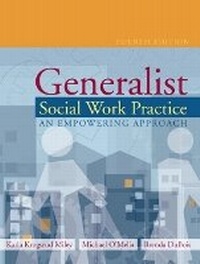
Generalist Social Work Practice
An Empowering Approach
4th Edition
Published on 19. January 2004
Book
Paperback/Softback
560 pages
978-0-205-38122-7 (ISBN)
Description
The Fourth Edition of this innovative text continues to emphasize a generalist empowerment oriented approach, along with practice strategies and techniques for working toward individual client and social change. Generalist Social Work Practice updates the contemporary themes of social work practice into an integrated practice process including: the generalist approach featuring universal practice processes with all levels of human systems; a foundational understanding of human behavior drawn from the ecosystems perspective; consistent emphasis on client strengths and their use in the change process; sensitivity to issues of human diversity and ways to increase cultural competence in practice; the use of processes which empower clients to their own solutions and the resources of their environments. New resources extend the research base, add breadth and depth, and position this book as a defining work for articulating an empowerment-based method of social work practice.
More details
Edition
4th edition
Language
English
Place of publication
United States
Publishing group
Pearson Education (US)
Target group
Professional and scholarly
Dimensions
Height: 234 mm
Width: 178 mm
Thickness: 25 mm
Weight
807 gr
ISBN-13
978-0-205-38122-7 (9780205381227)
Copyright in bibliographic data and cover images is held by Nielsen Book Services Limited or by the publishers or by their respective licensors: all rights reserved.
Other editions
New editions

Karla Krogsrud Miley | Michael W. O'Melia | Brenda L. DuBois
Generalist Social Work Practice
An Empowering Approach
Book
10/2006
5th Edition
Pearson
€75.70
Article exhausted; check for reprint
Previous edition

Karla Krogsrud Miley | Michael W. O'Melia | Brenda L. DuBois
Generalist Social Work Practice
An Empowering Approach
Book
10/2000
3rd Edition
Pearson
€68.27
Article exhausted; check for reprint
Content
Most chapters conclude with "Looking Forward."I. SOCIAL WORK PRACTICE PERSPECTIVES.
1. Generalist Social Work Practice.
Social Work Values and Purpose.
Generalist Social Work.
Social Work Functions and Roles.
2. The Ecosystems Perspective.
The Knowledge Base of Generalist Practice.
Key Perspectives for Empowering Practice.
The Ecosystems Perspective.
Human Systems.
Ecosystems: A Conceptual Framework for Practice.
3. Values and Multicultural Competence.
Frames of Reference.
Professional Values and Practice Principles.
Personal Values and Resources.
Multicultural Competence.
A Generalist View of Cultural Competence.
4. Strengths and Empowerment.
Strengths Perspective.
Empowerment.
Empowerment-Based Practice.
5. An Empowering Approach to Generalist Practice.
Elements of an Empowering Generalist Approach.
Phases and Processes of Empowering Practice.
Processes in Action: Practice Examples.
Maintaining Flexibility in Application.
II. THE DIALOGUE PHASE: BUILDING RELATIONSHIPS AND DESCRIBING SITUATIONS.
6. Forming Partnerships.
Collaboration and Partnership.
Making Initial Contacts.
Qualities of Professional Partnerships.
Constructing Empowering Relationships.
Respecting Confidentiality.
7. Articulating Situations.
Empowering Dialogue.
Proactive Responding.
Exchanging Information.
Assessing the Client's Perspective.
Responding to Thoughts.
Responding to Feelings.
Special Issues in Responding.
Responding to Larger Client Systems.
8. Defining Directions.
Transforming Challenges into Directions.
Considering Client Motivation.
Collaborating with Clients Who Resist.
Cooperating with Mandated Clients.
Taking Priority Actions.
III. THE DISCOVERY PHASE: ASSESSING RESOURCES AND PLANNING CHANGE.
9. Identifying Strengths.
Infusing a Strengths Perspective.
Highlighting Strengths in General Functioning.
Solution-Focused Dialogue.
Recognizing Cultural Strengths.
Ethnic Group Strengths.
Strengths in Cultural Group Memberships.
Uncovering Strengths in Adversity.
10. Assessing Resource Capabilities.
Exploring Resource Systems.
Applying Theoretical Frameworks.
Organizing Assessment: Applying Ecosystemic Questions.
Using Assessment Tools.
Adding Viewpoints.
Assessing through Observation.
Record-Keeping.
11. Framing Solutions.
Collaborative Planning Processes.
Goals and Objectives.
Constructing Action Plans.
Contracting.
IV. THE DEVELOPMENT PHASE: IMPLEMENTING, EVALUATING, AND STABILIZING CHANGE.
12. Activating Resources.
Applying Generalist Intervention Skills.
Maintaining Progress in the Action Plan.
Developing Power.
Changing Perspectives.
Managing Resources.
Educating.
13. Creating Alliances.
The Power of Alliances.
Developing Alliances through Groups.
Strengthening Natural Support Alliances.
Case Management: Client-Service Alliances.
Organizational Alliances for Service Delivery.
Professional Support Networks.
14. Expanding Opportunities.
Opportunities: Keys to Empowerment.
Resource Expansion.
Community Change.
Policy Development.
Social Activism and Social Advocacy.
Legislative Advocacy.
Resources for Professionals.
15. Recognizing Success.
Social Work Evaluation and Research.
Practice Evaluation.
Research.
Single-System Designs.
Action Research.
16. Integrating Gains.
Social Work Endings.
Completing Contracts.
Closing with Referral.
Responding to Clients' Discontinuation of Services.
When Clients Die.
Resolving Relationships with Larger Systems.
Endings Are Beginnings.
Epilogue.
Glossary.
Appendix A: NASW Code of Ethics.
References.
Author Index.
Subject Index.
1. Generalist Social Work Practice.
Social Work Values and Purpose.
Generalist Social Work.
Social Work Functions and Roles.
2. The Ecosystems Perspective.
The Knowledge Base of Generalist Practice.
Key Perspectives for Empowering Practice.
The Ecosystems Perspective.
Human Systems.
Ecosystems: A Conceptual Framework for Practice.
3. Values and Multicultural Competence.
Frames of Reference.
Professional Values and Practice Principles.
Personal Values and Resources.
Multicultural Competence.
A Generalist View of Cultural Competence.
4. Strengths and Empowerment.
Strengths Perspective.
Empowerment.
Empowerment-Based Practice.
5. An Empowering Approach to Generalist Practice.
Elements of an Empowering Generalist Approach.
Phases and Processes of Empowering Practice.
Processes in Action: Practice Examples.
Maintaining Flexibility in Application.
II. THE DIALOGUE PHASE: BUILDING RELATIONSHIPS AND DESCRIBING SITUATIONS.
6. Forming Partnerships.
Collaboration and Partnership.
Making Initial Contacts.
Qualities of Professional Partnerships.
Constructing Empowering Relationships.
Respecting Confidentiality.
7. Articulating Situations.
Empowering Dialogue.
Proactive Responding.
Exchanging Information.
Assessing the Client's Perspective.
Responding to Thoughts.
Responding to Feelings.
Special Issues in Responding.
Responding to Larger Client Systems.
8. Defining Directions.
Transforming Challenges into Directions.
Considering Client Motivation.
Collaborating with Clients Who Resist.
Cooperating with Mandated Clients.
Taking Priority Actions.
III. THE DISCOVERY PHASE: ASSESSING RESOURCES AND PLANNING CHANGE.
9. Identifying Strengths.
Infusing a Strengths Perspective.
Highlighting Strengths in General Functioning.
Solution-Focused Dialogue.
Recognizing Cultural Strengths.
Ethnic Group Strengths.
Strengths in Cultural Group Memberships.
Uncovering Strengths in Adversity.
10. Assessing Resource Capabilities.
Exploring Resource Systems.
Applying Theoretical Frameworks.
Organizing Assessment: Applying Ecosystemic Questions.
Using Assessment Tools.
Adding Viewpoints.
Assessing through Observation.
Record-Keeping.
11. Framing Solutions.
Collaborative Planning Processes.
Goals and Objectives.
Constructing Action Plans.
Contracting.
IV. THE DEVELOPMENT PHASE: IMPLEMENTING, EVALUATING, AND STABILIZING CHANGE.
12. Activating Resources.
Applying Generalist Intervention Skills.
Maintaining Progress in the Action Plan.
Developing Power.
Changing Perspectives.
Managing Resources.
Educating.
13. Creating Alliances.
The Power of Alliances.
Developing Alliances through Groups.
Strengthening Natural Support Alliances.
Case Management: Client-Service Alliances.
Organizational Alliances for Service Delivery.
Professional Support Networks.
14. Expanding Opportunities.
Opportunities: Keys to Empowerment.
Resource Expansion.
Community Change.
Policy Development.
Social Activism and Social Advocacy.
Legislative Advocacy.
Resources for Professionals.
15. Recognizing Success.
Social Work Evaluation and Research.
Practice Evaluation.
Research.
Single-System Designs.
Action Research.
16. Integrating Gains.
Social Work Endings.
Completing Contracts.
Closing with Referral.
Responding to Clients' Discontinuation of Services.
When Clients Die.
Resolving Relationships with Larger Systems.
Endings Are Beginnings.
Epilogue.
Glossary.
Appendix A: NASW Code of Ethics.
References.
Author Index.
Subject Index.