

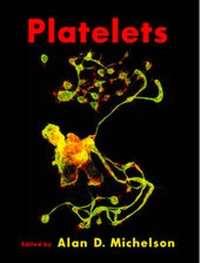
Platelets
Published on 30. August 2002
Book
Hardback
704 pages
978-0-12-493951-6 (ISBN)
Description
2002 Best New Book in Medical Science - Professional/Scholarly Publishing Division of the Association of American Publishers
Platelets is a comprehensive new textbook of 61 chapters and 1,100 pages (approx.) written by over 100 world leaders in the field. Platelets is a single definitive source of state-of-the-art knowledge about platelets. There has been no textbook that specifically and fully covers the entire field of platelet biology and clinical medicine. Platelets now fills this need. Platelets encompasses: platelet biology; platelet function testing; the role of platelets in disease; inherited and acquired disorders of platelet number and function; pharmacology of antiplatelet agents; pharmacology of agents to increase platelet numbers and/or function; platelet transfusion medicine; and gene therapy. The intended audience for Platelets includes hematologists, cardiologists, stroke physicians, blood bankers, pathologists, and researchers in thrombosis and hemostasis - as well as students and fellows in these fields.
Platelets is a comprehensive new textbook of 61 chapters and 1,100 pages (approx.) written by over 100 world leaders in the field. Platelets is a single definitive source of state-of-the-art knowledge about platelets. There has been no textbook that specifically and fully covers the entire field of platelet biology and clinical medicine. Platelets now fills this need. Platelets encompasses: platelet biology; platelet function testing; the role of platelets in disease; inherited and acquired disorders of platelet number and function; pharmacology of antiplatelet agents; pharmacology of agents to increase platelet numbers and/or function; platelet transfusion medicine; and gene therapy. The intended audience for Platelets includes hematologists, cardiologists, stroke physicians, blood bankers, pathologists, and researchers in thrombosis and hemostasis - as well as students and fellows in these fields.
Reviews / Votes
"...this book, with its scope and depth, has much to offer clinicians, laboratory hematologists and academic researchers alike who are actively involved with platelets. ...arguably the most complete compendium available on the subject that was once regarded as merely 'blood dust'. The volume will make a valuable addition to hematology, departmental and institutional libraries alike as a definitive reference."-BRITISH JOURNAL OF HAEMATOLOGY (2003)
"...a must have for the shelf of physicians and scientists with more than a passing interest in platelet pathophysiology."
-LABORATORY HEMATOLOGY (2003)
"... most up-to-date comprehensive standard work, which provides a superb reference for everyone interested in platelets."
-PATHOPHYSIOLOGY OF HAEMOSTASIS AND THROMBOSIS (November 2003)
"If you have no time to waste and want a book that is easy to read, concise, and to the point, then Platelets is the book for you."
-ARCH PATHOL LAB MED (November 2003)
"This 'tome' will be an excellent source for medical students who wish to specialize in transfusion medicine, as well as for practitioners in the field looking for a single-handed compilation of authoritative material for refreshing their knowledge."
-TRANSFUSION (December 2003)
"...an attractive and comprehensive compendium that is one of the first to appear on this important subject in more than a decade...Platelets will be a highly valued contemporary information resource both for scientists and investigators with an interest in one or more aspects of platelets...the book should be a component of medical and scientific libraries, as well as the specialized collections of those with clinical and research interests in platelets."
-INTERNATIONAL SOCIETY ON THROMBOSIS AND HAEMOSTASIS (2003)
"...stands out as the most comprehensive and up-to-date review of platelets yet published."
-JOURNAL OF VASCULAR SURGERY
"A hefty, comprehensive reference comprising 61 contributed chapters on those small cells with big roles."
-SCITECH BOOK NEWS (December 2002)
"Platelets is an excellent, beautifully organized text. The authors are the best in the world, and their efforts to provide definitive information on a broad range of subjects belnd well. Presentation is excellent. Without a doubt, the text will serve as a definitive resource for years to come."
-DEPARTMENT OF LABRATORY MEDICINE AND PATHOLOGY, AND PEDIATRICS (2003)
"The book has many strengths...will find a place in many libraries, both general medical and personal collections. The material is of self sufficient quality and scope that many chapters will retain their value for years to come."
-SEATTLE VETERANS HOSPITAL (2003)
More details
Language
English
Place of publication
San Diego
United States
Publishing group
Elsevier Science Publishing Co Inc
Target group
Professional and scholarly
Dimensions
Height: 279 mm
Width: 216 mm
Weight
2950 gr
ISBN-13
978-0-12-493951-6 (9780124939516)
Copyright in bibliographic data and cover images is held by Nielsen Book Services Limited or by the publishers or by their respective licensors: all rights reserved.
Schweitzer Classification
Other editions
Person
Dr. Michelson is Professor of Pediatrics and Professor of Medicine at Harvard Medical School in Boston, Massachusetts, U.S.A. He is also the Director of the Center for Platelet Research Studies (www.platelets.org) and the Director of the Thrombosis and Anticoagulation Program at Dana-Farber/Boston Children's Cancer and Blood Disorders Center. After receiving his medical degree with honors from the University of Adelaide, Australia, Dr. Michelson continued his medical and research training on a Fulbright Scholarship at Boston Children's Hospital, Brigham and Women's Hospital, and Harvard Medical School. In 2019 he received the International Society on Thrombosis and Haemostasis (ISTH) Esteemed Career Award. Dr. Michelson has been an invited participant in numerous National Institutes of Health working groups, international workshops and consensus conferences. He is the co-organizer and co-chair of the biennial International Platelets Symposium. Dr. Michelson is a past Chairman of the Platelet Physiology Scientific Subcommittee of the ISTH. He has published more than 450 original research articles, original research abstracts, and invited reviews - nearly all on the topic of platelets. Dr. Michelson has been the principal investigator on more than 100 research grants. He has been an invited speaker at over 200 major medical conferences worldwide. Dr. Michelson is an inventor on two awarded and three provisional U.S. patents.
Content
Foreword: A Brief and Highly Selective History of Ideas About Platelets in Health and Disease. Barry S. Coller
Part One: Biology
The Evolution of Mammalian Platelets.
Megakaryocyte Development and Platelet Formation.
Platelet Structure.
Platelet Turnover and Aging.
Platelet Receptors.
The GPIb-IX-V Complex.
Integrin aIIbb3.
Thrombin Receptors.
P-Selectin/PSGL-1 and Other Interactions Between Platelets, Leukocytes, and Endothelium.
Platelet Polymorphisms.
Platelet Secretion.
Signal Transduction During the Initiation, Extension, and Perpetuation of Platelet Plug Formation.
Platelet Thrombus Formation in Flowing Blood.
Interactions Between Platelets and the Coagulation System.
Platelet-Derived Microparticles.
Platelet Function in the Newborn.
Part Two: Tests of Platelet Function
Platelet Count.
The Bleeding Time.
Platelet Aggregation.
Flow Cytometry.
Ultegra Rapid Platelet Function Analyzer.
Platelet Function Analyzer (PFA)-100.
Cone and Plate(let) Analyzer.
Perfusion Chambers.
Animal Models.
Part Three: The Role of Platelets in Disease
Atherosclerosis and Coronary Artery Disease.
Ischemic Cerebrovascular Disease.
Peripheral Vascular Disease.
Diabetes Mellitus.
Renal Disease.
Inflammation.
Antimicrobial Host Defense.
Tumor Growth and Metastasis.
Alzheimer Disease.
Psychiatric Disorders.
Part Four: Disorders of Platelet Number and Function
The Clinical Approach to Disorders of Platelet Number and Function.
Immune Thrombocytopenic Purpura.
HIV-1-related Thrombocytopenia.
Heparin-induced Thrombocytopenia.
Drug-induced Thrombocytopenia.
Thrombotic Thrombocytopenic Purpura and Hemolytic-Uremic Syndrome.
Thrombocytopenia in Pregnancy.
Thrombocytopenia in the Newborn. Pseudothrombocytopenia.
Thrombocytosis and Essential Thrombocythemia.
Inherited Disorders of Platelet Function.
Acquired Disorders of Platelet Function. Cardiopulmonary Bypass.
Part Five: Pharmacology: Antiplatelet Therapy
Aspirin.
GPIIb-IIIa Antagonists.
Clopidogrel and Ticlopidine.
Dipyridamole.
Cilostazol.
Part Six: Pharmacology: Therapy to Increase Platelet Numbers and/or Function
Thrombopoietin.
Interleukin 11.
Desmopressin.
Factor VIIa.
Part Seven: Transfusion Medicine
Platelet Storage and Transfusion.
Platelet Transfusion in Infants and Children.
Platelet Substitutes and Novel Methods of Platelet Preservation.
Part Eight: Gene Therapy
Gene Therapy for Platelet Disorders.
Part One: Biology
The Evolution of Mammalian Platelets.
Megakaryocyte Development and Platelet Formation.
Platelet Structure.
Platelet Turnover and Aging.
Platelet Receptors.
The GPIb-IX-V Complex.
Integrin aIIbb3.
Thrombin Receptors.
P-Selectin/PSGL-1 and Other Interactions Between Platelets, Leukocytes, and Endothelium.
Platelet Polymorphisms.
Platelet Secretion.
Signal Transduction During the Initiation, Extension, and Perpetuation of Platelet Plug Formation.
Platelet Thrombus Formation in Flowing Blood.
Interactions Between Platelets and the Coagulation System.
Platelet-Derived Microparticles.
Platelet Function in the Newborn.
Part Two: Tests of Platelet Function
Platelet Count.
The Bleeding Time.
Platelet Aggregation.
Flow Cytometry.
Ultegra Rapid Platelet Function Analyzer.
Platelet Function Analyzer (PFA)-100.
Cone and Plate(let) Analyzer.
Perfusion Chambers.
Animal Models.
Part Three: The Role of Platelets in Disease
Atherosclerosis and Coronary Artery Disease.
Ischemic Cerebrovascular Disease.
Peripheral Vascular Disease.
Diabetes Mellitus.
Renal Disease.
Inflammation.
Antimicrobial Host Defense.
Tumor Growth and Metastasis.
Alzheimer Disease.
Psychiatric Disorders.
Part Four: Disorders of Platelet Number and Function
The Clinical Approach to Disorders of Platelet Number and Function.
Immune Thrombocytopenic Purpura.
HIV-1-related Thrombocytopenia.
Heparin-induced Thrombocytopenia.
Drug-induced Thrombocytopenia.
Thrombotic Thrombocytopenic Purpura and Hemolytic-Uremic Syndrome.
Thrombocytopenia in Pregnancy.
Thrombocytopenia in the Newborn. Pseudothrombocytopenia.
Thrombocytosis and Essential Thrombocythemia.
Inherited Disorders of Platelet Function.
Acquired Disorders of Platelet Function. Cardiopulmonary Bypass.
Part Five: Pharmacology: Antiplatelet Therapy
Aspirin.
GPIIb-IIIa Antagonists.
Clopidogrel and Ticlopidine.
Dipyridamole.
Cilostazol.
Part Six: Pharmacology: Therapy to Increase Platelet Numbers and/or Function
Thrombopoietin.
Interleukin 11.
Desmopressin.
Factor VIIa.
Part Seven: Transfusion Medicine
Platelet Storage and Transfusion.
Platelet Transfusion in Infants and Children.
Platelet Substitutes and Novel Methods of Platelet Preservation.
Part Eight: Gene Therapy
Gene Therapy for Platelet Disorders.