

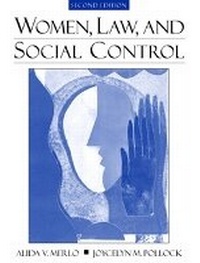
Women, Law, and Social Control
2nd Edition
Published on 23. February 2006
Book
Paperback/Softback
352 pages
978-0-205-44207-2 (ISBN)
Description
A collection of original articles written by leading scholars in the field that examines women as offenders, professionals, and victims. This integrated approach explores current issues - including the increase in women's imprisonment rates, women as rape survivors, women who kill in abusive relationships, and women working within the criminal justice system-which illuminates the special sanctions women face today.
More details
Edition
2nd edition
Language
English
Place of publication
United States
Publishing group
Pearson Education (US)
Target group
Professional and scholarly
Dimensions
Height: 230 mm
Width: 180 mm
Thickness: 15 mm
Weight
557 gr
ISBN-13
978-0-205-44207-2 (9780205442072)
Copyright in bibliographic data and cover images is held by Nielsen Book Services Limited or by the publishers or by their respective licensors: all rights reserved.
Schweitzer Classification
Other editions
Previous edition

Alida V. Merlo | Joycelyn M. Pollock
Women, Law, and Social Control
Book
10/1994
3rd Edition
Macmillan USA
€58.43
Article exhausted; check for reprint
Content
* Indicates article new to this edition.
Preface.
About the Contributors.
I. THE LAW AND SOCIAL CONTROL.
1. Gender, Justice, and Social Control: A Historical Perspective, Joycelyn M. Pollock.
Images of Women and Social Control.
Women's Role in Colonial America.
The Nineteenth Century: "Separate Spheres".
The Twentieth Century.
Conclusion.
* 2. Images of Women, Frankie Y. Bailey.
Historical Images of Women.
Evolving Images of Women in Mass Media.
Conclusion.
* 3. Current Issues in the Law and Women: What Would a Reasonable Woman Do?, Mary K. Stohr and Lisa Growette Bostaph.
Law as a Gendered Entity.
What Would a Reasonable Woman Do?
Separate Spheres.
Women's Experiences in the Law.
Policy Implications.
Conclusion.
4. Controlling Women's Bodies, Kate Bagley and Alida V. Merlo.
Pregnant Women and Drugs.
Defining the Fetus as a Person.
Coercive Contraception.
Controlling Women with AIDS.
Controlling Pregnant Women with AIDS.
HIV/AIDS in Prison.
Policy Implications and Future Goals.
Conclusion.
II. WOMEN PRACTITIONERS IN THE CRIMINAL JUSTICE SYSTEM.
* 5. Police Women in the 21st Century, Kathryn E. Scarborough and Carole Garrison.
Media Images of Policewomen.
Research on Policewomen.
Voices from Women in the Field.
Conclusion.
* 6. Women Working in Prisons and Jail Settings: Progress and Prospects, Mary Ann Farkas.
Perspectives on Work Behavior.
History of Women in Corrections.
Women Working as Correctional Officers.
Women in Management Positions.
Major Obstacles for Women.
Conclusion.
* 7. The Practice of Law in the Twenty-First Century, Frances Bernat.
History of Women in the Legal Profession.
Stereotypes that Hurt Women Lawyers.
Gender Bias is Widespread and Persistent.
Balanced Lives.
Conclusion.
III. WOMEN AS VICTIMS.
* 8. Rape Survivors: The Law and the Reality, Mittie D. Southerland and Rachel M. Southerland.
Types and Definitions of Rape.
Legal Reforms.
Prevalence and Correlates.
Aftermath of Rape.
Motivation for Rape.
Policy Implications.
Conclusion.
* 9. Intimate Partner Violence Against and By Women , Denise Kindschi Gosselin.
Historical Perspective.
Intimate Partner Violence.
Effects of Intimate Partner Violence.
Responses to Intimate Partner Violence.
Conclusion.
IV. INTRODUCTION.
10. Female Criminality: Ten Years Later, Sareta Davis, Alida V. Merlo and Joycelyn M. Pollock.
Constructing a Theory of Female Criminality.
Drugs: Impact on Female Criminality.
Conclusion.
* 11. Women Drug Offenders, Marilyn McShane and Frank P. Williams.
A Brief History of Drugs.
Women as Drug Offenders.
Drug Offending and Women's Lifestyles.
Treatment Issues.
Policy Responses and Implications.
12. Women as Perpetrators of Murder, Peter J. Benekos.
Images of Murder: Women as Offenders and Victims.
Theories of Family Violence.
Conclusion.
V. GIRLS AND WOMEN IN THE SYSTEM.
* 13. The Context of Women's Imprisonment, Barbara Owen.
Gender and Social Control.
Pathways to Imprisonment: A Contextual Approach.
Origins of the Prison.
The Contemporary Prison.
Re-entry and the Gendered Problems of Parole.
Policy Implications.
Conclusion.
* 14. Still the `Best Place to Conquer Girls': Girls and the Juvenile Justice System , Meda Chesney-Lind and Katherine Irwin.
A Century of Girls' Justice.
Research and Girls in the System.
Girls' Arrest Trends.
Relabeling.
Juvenile Justice in the New Millennium.
Girls' Experiences in Detention.
Girls and Juvenile Justice: What Does the Future Hold?
Conclusion.
* 15. Intersectionality of Race/Ethnicity, Class and Justice: Women of Color, Janice Joseph.
Conceptual Framework.
Women of Color.
Race/Ethnicity, Class, Criminalization and Justice.
Race/Ethnicity, Class, Victimization and Justice.
Consequences of Differential Justice.
Policy Implications.
Conclusion.
VI. CONCLUSION.
16. Assessing Progress and Imagining the Future for Women and Justice, Alida V. Merlo.
Women in Law Related Professions.
Controlling Women's Bodies.
Female Victims.
Female Offenders and the System's Response.
Strategies for the Incorporation of Women and Women's Perspectives in Law.
Preface.
About the Contributors.
I. THE LAW AND SOCIAL CONTROL.
1. Gender, Justice, and Social Control: A Historical Perspective, Joycelyn M. Pollock.
Images of Women and Social Control.
Women's Role in Colonial America.
The Nineteenth Century: "Separate Spheres".
The Twentieth Century.
Conclusion.
* 2. Images of Women, Frankie Y. Bailey.
Historical Images of Women.
Evolving Images of Women in Mass Media.
Conclusion.
* 3. Current Issues in the Law and Women: What Would a Reasonable Woman Do?, Mary K. Stohr and Lisa Growette Bostaph.
Law as a Gendered Entity.
What Would a Reasonable Woman Do?
Separate Spheres.
Women's Experiences in the Law.
Policy Implications.
Conclusion.
4. Controlling Women's Bodies, Kate Bagley and Alida V. Merlo.
Pregnant Women and Drugs.
Defining the Fetus as a Person.
Coercive Contraception.
Controlling Women with AIDS.
Controlling Pregnant Women with AIDS.
HIV/AIDS in Prison.
Policy Implications and Future Goals.
Conclusion.
II. WOMEN PRACTITIONERS IN THE CRIMINAL JUSTICE SYSTEM.
* 5. Police Women in the 21st Century, Kathryn E. Scarborough and Carole Garrison.
Media Images of Policewomen.
Research on Policewomen.
Voices from Women in the Field.
Conclusion.
* 6. Women Working in Prisons and Jail Settings: Progress and Prospects, Mary Ann Farkas.
Perspectives on Work Behavior.
History of Women in Corrections.
Women Working as Correctional Officers.
Women in Management Positions.
Major Obstacles for Women.
Conclusion.
* 7. The Practice of Law in the Twenty-First Century, Frances Bernat.
History of Women in the Legal Profession.
Stereotypes that Hurt Women Lawyers.
Gender Bias is Widespread and Persistent.
Balanced Lives.
Conclusion.
III. WOMEN AS VICTIMS.
* 8. Rape Survivors: The Law and the Reality, Mittie D. Southerland and Rachel M. Southerland.
Types and Definitions of Rape.
Legal Reforms.
Prevalence and Correlates.
Aftermath of Rape.
Motivation for Rape.
Policy Implications.
Conclusion.
* 9. Intimate Partner Violence Against and By Women , Denise Kindschi Gosselin.
Historical Perspective.
Intimate Partner Violence.
Effects of Intimate Partner Violence.
Responses to Intimate Partner Violence.
Conclusion.
IV. INTRODUCTION.
10. Female Criminality: Ten Years Later, Sareta Davis, Alida V. Merlo and Joycelyn M. Pollock.
Constructing a Theory of Female Criminality.
Drugs: Impact on Female Criminality.
Conclusion.
* 11. Women Drug Offenders, Marilyn McShane and Frank P. Williams.
A Brief History of Drugs.
Women as Drug Offenders.
Drug Offending and Women's Lifestyles.
Treatment Issues.
Policy Responses and Implications.
12. Women as Perpetrators of Murder, Peter J. Benekos.
Images of Murder: Women as Offenders and Victims.
Theories of Family Violence.
Conclusion.
V. GIRLS AND WOMEN IN THE SYSTEM.
* 13. The Context of Women's Imprisonment, Barbara Owen.
Gender and Social Control.
Pathways to Imprisonment: A Contextual Approach.
Origins of the Prison.
The Contemporary Prison.
Re-entry and the Gendered Problems of Parole.
Policy Implications.
Conclusion.
* 14. Still the `Best Place to Conquer Girls': Girls and the Juvenile Justice System , Meda Chesney-Lind and Katherine Irwin.
A Century of Girls' Justice.
Research and Girls in the System.
Girls' Arrest Trends.
Relabeling.
Juvenile Justice in the New Millennium.
Girls' Experiences in Detention.
Girls and Juvenile Justice: What Does the Future Hold?
Conclusion.
* 15. Intersectionality of Race/Ethnicity, Class and Justice: Women of Color, Janice Joseph.
Conceptual Framework.
Women of Color.
Race/Ethnicity, Class, Criminalization and Justice.
Race/Ethnicity, Class, Victimization and Justice.
Consequences of Differential Justice.
Policy Implications.
Conclusion.
VI. CONCLUSION.
16. Assessing Progress and Imagining the Future for Women and Justice, Alida V. Merlo.
Women in Law Related Professions.
Controlling Women's Bodies.
Female Victims.
Female Offenders and the System's Response.
Strategies for the Incorporation of Women and Women's Perspectives in Law.