

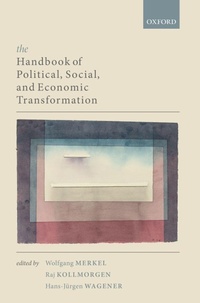
The Handbook of Political, Social, and Economic Transformation
Published on 19. February 2019
Book
Hardback
716 pages
978-0-19-882991-1 (ISBN)
Description
Political, social, and economic transformation is a complex historical phenomenon. It can adequately be analysed only by a multidisciplinary approach. The Handbook brings together an international team of scholars who are specialists in their respective research fields. It introduces the most important areas, theories, and methods in transformation research, with particular attention placed on the historical and comparative dimension. Although focussing on post-communist and other democratic transformations in our epoch, the Handbook therefore presents and discusses not only their problems, paths, and developments, but also deals with the antecedent 'waves', beginning with the Meiji Restoration in Japan in 1868 and its aftermath.
The book is structured into six parts. Starting with basic concepts as systems, actors, and institutions (Section I), it gives an overview over major theoretical approaches and research methods (Sections II and III). The connection of theory and method with their application is essential, allowing special insights into the past and opens analytical avenues for transformation research in the future. Section (IV) provides a historically oriented description or interpretation of particular 'waves' or types of societal transformation. With a clear focus on present transformations, the contributions to Section V provide a description and discussion of the problems, structures, actors, and courses of the transformations within different spheres of (civil) society, politics, law, and economics. Finally, brief lexicographic entries in Section VI delineate research perspectives and facts about relevant issues of societal transformation. Each of the 79 contributions contains a concise list of the most important research literature.
The book is structured into six parts. Starting with basic concepts as systems, actors, and institutions (Section I), it gives an overview over major theoretical approaches and research methods (Sections II and III). The connection of theory and method with their application is essential, allowing special insights into the past and opens analytical avenues for transformation research in the future. Section (IV) provides a historically oriented description or interpretation of particular 'waves' or types of societal transformation. With a clear focus on present transformations, the contributions to Section V provide a description and discussion of the problems, structures, actors, and courses of the transformations within different spheres of (civil) society, politics, law, and economics. Finally, brief lexicographic entries in Section VI delineate research perspectives and facts about relevant issues of societal transformation. Each of the 79 contributions contains a concise list of the most important research literature.
More details
Language
English
Place of publication
Oxford
United Kingdom
Target group
College/higher education
Dimensions
Height: 250 mm
Width: 175 mm
Thickness: 43 mm
Weight
1393 gr
ISBN-13
978-0-19-882991-1 (9780198829911)
Copyright in bibliographic data and cover images is held by Nielsen Book Services Limited or by the publishers or by their respective licensors: all rights reserved.
Schweitzer Classification
Other editions
Additional editions
Wolfgang Merkel | Raj Kollmorgen | Hans-Jürgen Wagener
The Handbook of Political, Social, and Economic Transformation
E-Book
01/2019
1st Edition
OUP eBook
€206.99
Available for download
Wolfgang Merkel | Raj Kollmorgen | Hans-Jürgen Wagener
The Handbook of Political, Social, and Economic Transformation
E-Book
01/2019
1st Edition
OUP eBook
€206.99
Available for download
Persons
Wolfgang Merkel, Director of the research unit 'Democracy and Democratization', WZB Berlin Social Science Center and Professor of Political Science at Humboldt-Universitat zu Berlin, , Raj Kollmorgen, Professor of Sociology and Management of Social Change, University of Applied Sciences Zittau/Gorlitz, Hans-Jurgen Wagener, Professor Emeritus, European University Viadrina Frankfurt/Oder and Rijksuniversiteit Groningen
Editor
Director of the research unit 'Democracy and Democratization', WZB Berlin Social Science Center and Professor of Political Science at Humboldt-Universitaet zu BerlinDirector of the research unit 'Democracy and Democratization', WZB Berlin Social Science Center and Professor of Political Science at Humboldt-Universitaet zu Berlin
Professor of Sociology and Management of Social ChangeProfessor of Sociology and Management of Social Change, University of Applied Sciences Zittau/Goerlitz
Professor EmeritusProfessor Emeritus, European University Viadrina Frankfurt/Oder and Rijksuniversiteit Groningen
Content
1: Wolfgang Merkel, Raj Kollmorgen, and Hans-Juergen Wagener: Transformation and Transition Research: An Introduction
Section I Theoretical Frameworks
2: Wolfgang Merkel, Julian Brueckner, and Hans-Juergen Wagener: System
3: Stefan Voigt: Institutions
4: Wolfgang Merkel and Hans-Juergen Wagener: Actors
Section II Research Approaches
5: Raj Kollmorgen: Modernization Theories
6: Julian Brueckner: Transition Approaches
7: Julian Brueckner: Structuralism
8: Jan Kubik: Cultural Approaches
9: Christoph H. Stefes: Historical Institutionalism and Societal Transformations
10: Malcolm H. Dunn and Joseph P. Ganahl: Development Economics and Transformation Studies
11: Stefan Kolev and Joachim Zweynert: Approaches to Transformation in Economics
12: Frank Boenker: Political Economy Approaches
13: Juergen Beyer: Political Steering Approach
14: Karl-Dieter Opp: Political Mobilization Approaches
15: Grzegorz Ekiert: Civil Society Approach
16: Raj Kollmorgen and Wolfgang Merkel: Combining Theoretical Approaches
Section III Methods
17: Carsten Q. Schneider: Macro-Qualitative Approaches
18: Bruno Hildenbrand: Micro-Qualitative Research
19: Gert Pickel and Susanne Pickel: Quantitative Methods in Transformation Research
20: Tatjana Thelen: Ethnographic Methods
21: Johannes Angermuller and Raj Kollmorgen: Discourse Approaches
22: Martin Myant and Jan Drahokoupil: Economic Methods
23: Dirk Berg-Schlosser: Comparative Methods in Transformation Research: Political Culture
Section IV Historic Waves and Types of Societal Transformations
24: Raj Kollmorgen: Post-Absolutist Transformations in the Nineteenth and Early Twentieth Centuries
25: Dieter Segert: State-Socialist Transformations in the Twentieth Century
26: Alexander Nuetzenadel: Transformation in Fascist Interbellum Europe
27: Wolfgang Merkel and Johannes Gerschewski: Democratic Transformations after the Second World War
28: Carsten Herrmann-Pillath: China's Transformations in the Twentieth Century: Economic, Political and Cultural Interdependencies
29: Siegmar Schmidt: Postcolonial Transformations in Africa in the Twentieth Century
30: Naser Ghobadzadeh: Islamist Transformations: From Utopian Vision to Dystopian Reality
31: Peter Thiery: Democratic Transitions in the Late Twentieth Century
32: Raj Kollmorgen: Post-socialist Transformations in the Twentieth and Twenty-First Centuries
Section V Spheres
33: John Keane and Wolfgang Merkel: Civil Society
34: Christian Kirchner and David Ehmke: Law
35: Hans-Juergen Wagener: Economy
Section VI Basic Problems of Transformation
36: Antje Kaestner: Autocracy Promotion
37: Anton Sterbling: Collective Identities
38: Astrid Lorenz: Constitution-building
39: Bernhard Wessels: Corporative Actors: Parties, Associations
40: Attila Agh: Deconsolidation of Democracy in East-Central Europe
41: Aurel Croissant and Wolfgang Merkel: Defective Democracy
42: Julia Leininger: Democracy Promotion
43: Leonardo Morlino: Democratic Consolidation
44: Juergen Dorbritz: Demographic Transitions
45: Ilyas Saliba and Wolfgang Merkel: Dilemma of Simultaneity
46: Michael Fritsch: Economic Restructuring
47: Andreas Schedler: Elections and Transformation
48: Cristobal Rovira Kaltwasser: Elites
49: Vera Trappmann: External Transformation Anchors
50: Hans-Dieter Klingemann: Founding Elections
51: Silke Roth and Charlie Walker: Gender Relations
52: Aurel Croissant: Historical Legacies
53: Alexander Schmotz: Hybrid Regimes
54: Hans-Juergen Wagener: Institutional Transfer
55: Herman W. Hoen: Internationalization
56: Katharina Pistor: Legal Systems and Economic Development
57: Daniel Lambach: Legitimacy
58: Laszlo Csaba: Liberalization
59: Marek Dabrowski: Macroeconomic Stabilization
60: Barbara Thomass: Mass Media
61: Sonja Grimm: Military Intervention
62: Hubert Gabrisch: Monetary Transformation
63: Saara Inkinen: Parties as Agents of Transition
64: Wolfgang Merkel and Lea Heyne: Phases of Transformation
65: Detlef Pollack: Political Culture
66: Dag Tanneberg: Political Repression
67: Bruno Dallago and Chiara Guglielmetti: Privatization
68: Thomas Apolte: Property Rights
69: Hans-Joachim Lauth: Regime Diffusion
70: Hans-Joachim Buerkner: Regional Disparities
71: Detlef Pollack: Religious Change
72: Anne van Aaken: Rule of Law and Statehood
73: Kenneth Newton: Social Capital
74: Raj Kollmorgen: Social Inequalities
75: Katharina Mueller: Social Security
76: Timm Beichelt: Stateness
77: Vladimir Popov: Strategies of Economic Transformation
78: Jan Fidrmuc: Transformation Crises
79: Brigitte Weiffen: Transitional Justice
80: Bernhard Wessels: Value Change
Section I Theoretical Frameworks
2: Wolfgang Merkel, Julian Brueckner, and Hans-Juergen Wagener: System
3: Stefan Voigt: Institutions
4: Wolfgang Merkel and Hans-Juergen Wagener: Actors
Section II Research Approaches
5: Raj Kollmorgen: Modernization Theories
6: Julian Brueckner: Transition Approaches
7: Julian Brueckner: Structuralism
8: Jan Kubik: Cultural Approaches
9: Christoph H. Stefes: Historical Institutionalism and Societal Transformations
10: Malcolm H. Dunn and Joseph P. Ganahl: Development Economics and Transformation Studies
11: Stefan Kolev and Joachim Zweynert: Approaches to Transformation in Economics
12: Frank Boenker: Political Economy Approaches
13: Juergen Beyer: Political Steering Approach
14: Karl-Dieter Opp: Political Mobilization Approaches
15: Grzegorz Ekiert: Civil Society Approach
16: Raj Kollmorgen and Wolfgang Merkel: Combining Theoretical Approaches
Section III Methods
17: Carsten Q. Schneider: Macro-Qualitative Approaches
18: Bruno Hildenbrand: Micro-Qualitative Research
19: Gert Pickel and Susanne Pickel: Quantitative Methods in Transformation Research
20: Tatjana Thelen: Ethnographic Methods
21: Johannes Angermuller and Raj Kollmorgen: Discourse Approaches
22: Martin Myant and Jan Drahokoupil: Economic Methods
23: Dirk Berg-Schlosser: Comparative Methods in Transformation Research: Political Culture
Section IV Historic Waves and Types of Societal Transformations
24: Raj Kollmorgen: Post-Absolutist Transformations in the Nineteenth and Early Twentieth Centuries
25: Dieter Segert: State-Socialist Transformations in the Twentieth Century
26: Alexander Nuetzenadel: Transformation in Fascist Interbellum Europe
27: Wolfgang Merkel and Johannes Gerschewski: Democratic Transformations after the Second World War
28: Carsten Herrmann-Pillath: China's Transformations in the Twentieth Century: Economic, Political and Cultural Interdependencies
29: Siegmar Schmidt: Postcolonial Transformations in Africa in the Twentieth Century
30: Naser Ghobadzadeh: Islamist Transformations: From Utopian Vision to Dystopian Reality
31: Peter Thiery: Democratic Transitions in the Late Twentieth Century
32: Raj Kollmorgen: Post-socialist Transformations in the Twentieth and Twenty-First Centuries
Section V Spheres
33: John Keane and Wolfgang Merkel: Civil Society
34: Christian Kirchner and David Ehmke: Law
35: Hans-Juergen Wagener: Economy
Section VI Basic Problems of Transformation
36: Antje Kaestner: Autocracy Promotion
37: Anton Sterbling: Collective Identities
38: Astrid Lorenz: Constitution-building
39: Bernhard Wessels: Corporative Actors: Parties, Associations
40: Attila Agh: Deconsolidation of Democracy in East-Central Europe
41: Aurel Croissant and Wolfgang Merkel: Defective Democracy
42: Julia Leininger: Democracy Promotion
43: Leonardo Morlino: Democratic Consolidation
44: Juergen Dorbritz: Demographic Transitions
45: Ilyas Saliba and Wolfgang Merkel: Dilemma of Simultaneity
46: Michael Fritsch: Economic Restructuring
47: Andreas Schedler: Elections and Transformation
48: Cristobal Rovira Kaltwasser: Elites
49: Vera Trappmann: External Transformation Anchors
50: Hans-Dieter Klingemann: Founding Elections
51: Silke Roth and Charlie Walker: Gender Relations
52: Aurel Croissant: Historical Legacies
53: Alexander Schmotz: Hybrid Regimes
54: Hans-Juergen Wagener: Institutional Transfer
55: Herman W. Hoen: Internationalization
56: Katharina Pistor: Legal Systems and Economic Development
57: Daniel Lambach: Legitimacy
58: Laszlo Csaba: Liberalization
59: Marek Dabrowski: Macroeconomic Stabilization
60: Barbara Thomass: Mass Media
61: Sonja Grimm: Military Intervention
62: Hubert Gabrisch: Monetary Transformation
63: Saara Inkinen: Parties as Agents of Transition
64: Wolfgang Merkel and Lea Heyne: Phases of Transformation
65: Detlef Pollack: Political Culture
66: Dag Tanneberg: Political Repression
67: Bruno Dallago and Chiara Guglielmetti: Privatization
68: Thomas Apolte: Property Rights
69: Hans-Joachim Lauth: Regime Diffusion
70: Hans-Joachim Buerkner: Regional Disparities
71: Detlef Pollack: Religious Change
72: Anne van Aaken: Rule of Law and Statehood
73: Kenneth Newton: Social Capital
74: Raj Kollmorgen: Social Inequalities
75: Katharina Mueller: Social Security
76: Timm Beichelt: Stateness
77: Vladimir Popov: Strategies of Economic Transformation
78: Jan Fidrmuc: Transformation Crises
79: Brigitte Weiffen: Transitional Justice
80: Bernhard Wessels: Value Change