

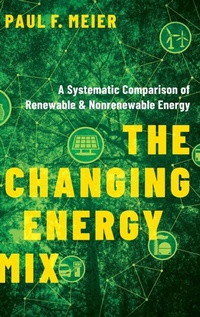
The Changing Energy Mix
A Systematic Comparison of Renewable and Nonrenewable Energy
Published on 19. November 2020
Book
Hardback
624 pages
978-0-19-009839-1 (ISBN)
Description
Energy comes in many shapes and forms, from wind, solar power, geothermal, and biomass to coal, natural gas, and petroleum. The energy we consume is constantly changing, but the use of these resources-whether renewable or nonrenewable-has long-term impacts on our planet. While there has been this recent shift to renewable energy within the United States, the worldwide demand for all energy types continues to increase at a rapid rate. In fact, it has increased by 84% over the past twenty years. Despite their dwindling supply, these resources are still heavily relied on today. Coal still accounts for 30% of the electricity generated by the United States, even though natural gas is now the primary energy used to produce electricity. Likewise, only 7% of electricity usage worldwide is linked to solar and wind energy.
In The Changing Energy Mix, Paul F. Meier compares twelve renewable and nonrenewable energy types using twelve common technical criteria. These criteria span projected reserves, cost to the consumer and supplier, energy balances, environmental issues, land area required, and lasting impacts. While explaining the pros and cons of these resources, Meier takes readers through the history of energy in the United States and world. He provides insight into energy sources, such as wind-powered and solar-powered electricity (which did not exist until the mid and late 80s, respectively), and he explains the constantly evolving world of energy. Breaking down the potential promises and struggles of transitioning to a more renewable energy-based economy, Meier explains the positive and negative implications of these various sources of energy. The resulting book equips readers with a unique understanding of the history, availability, technology, implementation cost, and concerns of renewable and nonrenewable energy.
In The Changing Energy Mix, Paul F. Meier compares twelve renewable and nonrenewable energy types using twelve common technical criteria. These criteria span projected reserves, cost to the consumer and supplier, energy balances, environmental issues, land area required, and lasting impacts. While explaining the pros and cons of these resources, Meier takes readers through the history of energy in the United States and world. He provides insight into energy sources, such as wind-powered and solar-powered electricity (which did not exist until the mid and late 80s, respectively), and he explains the constantly evolving world of energy. Breaking down the potential promises and struggles of transitioning to a more renewable energy-based economy, Meier explains the positive and negative implications of these various sources of energy. The resulting book equips readers with a unique understanding of the history, availability, technology, implementation cost, and concerns of renewable and nonrenewable energy.
Reviews / Votes
The Changing Energy Mix systematically compares a range of energy sources and technologies. Written from the perspective of a natural scientist, Paul Meier's approach to this book is a welcome and very valuable addition to the field. * Andreas Goldthau, Franz Haniel Professor of Public Policy at the University of Erfurt and coauthor of The Global Energy Challenge *More details
Language
English
Place of publication
New York
United States
Target group
Professional and scholarly
Dimensions
Height: 240 mm
Width: 161 mm
Thickness: 38 mm
Weight
1092 gr
ISBN-13
978-0-19-009839-1 (9780190098391)
Copyright in bibliographic data and cover images is held by Nielsen Book Services Limited or by the publishers or by their respective licensors: all rights reserved.
Schweitzer Classification
Other editions
Additional editions
E-Book
09/2020
OUP eBook
€80.49
Available for download
E-Book
09/2020
OUP eBook
€80.49
Available for download
Person
Paul F. Meier is an independent clean fuels consultant and a registered professional engineer. He retired from ConocoPhillips in 2008 after thirty years of service, and he was a clean fuels consultant for Sinopec, China Petroleum and Chemical Corporation, from 2008-2014.
Content
Introduction
Chapter 1: Petroleum Crude Oil
Chapter 2: Natural Gas
Chapter 3: Coal
Chapter 4: Nuclear
Chapter 5: Hydroelectric
Chapter 6: Wind Energy
Chapter 7: Solar
Chapter 8: Ethanol
Chapter 9: Biomass
Chapter 10: Geothermal
Chapter 11: Hydrogen
Chapter 12: Fischer-Tropsch Synthesis
Chapter 13: Generation of Electricity by US States
Chapter 14: Conclusions
Appendix A: Capital Cost, Operating Cost, Well-to-Wheels Levelized Cost of Electricity, and Well-to-Wheels Levelized Cost of Fuel
Appendix B: Units, Unit Prefixes, and Basic Definitions
Index
Chapter 1: Petroleum Crude Oil
Chapter 2: Natural Gas
Chapter 3: Coal
Chapter 4: Nuclear
Chapter 5: Hydroelectric
Chapter 6: Wind Energy
Chapter 7: Solar
Chapter 8: Ethanol
Chapter 9: Biomass
Chapter 10: Geothermal
Chapter 11: Hydrogen
Chapter 12: Fischer-Tropsch Synthesis
Chapter 13: Generation of Electricity by US States
Chapter 14: Conclusions
Appendix A: Capital Cost, Operating Cost, Well-to-Wheels Levelized Cost of Electricity, and Well-to-Wheels Levelized Cost of Fuel
Appendix B: Units, Unit Prefixes, and Basic Definitions
Index