

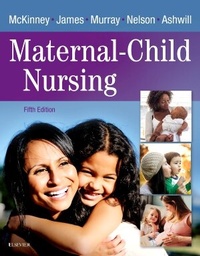
Maternal-Child Nursing
5th Edition
Published on 21. April 2017
Book
Hardback
1592 pages
978-0-323-40170-8 (ISBN)
Description
Easily master maternity and pediatric nursing care with Maternal-Child Nursing, 5th Edition. This easy-to-read text is filled with a wealth of user-friendly features to help you quickly master essential concepts and skills. It offers completely updated content - including expanded information on the late preterm infant, fetal heart rate pattern identification, obesity in the pregnant woman and children, and enhanced coverage of the QSEN initiative. It also features an abundance of active learning tools so you have ample opportunities to practice applying your knowledge and skills.
Nursing care plans help you apply the nursing process to plan individualized care for the most common maternity and pediatric conditions.
Critical to Remember boxes summarize and highlight essential, need-to-know information.
Critical Thinking Exercises allow you to apply your knowledge to realistic clinical situations.
Communication Cues provide practical tips for effective verbal and nonverbal communication with patients and families.
Clinical Reference sections in pediatric chapters present information relevant to each body system, including anatomy and physiology, differences in the pediatric patient, and related laboratory and diagnostic tests.
Safety Alerts call attention to important patient safety considerations for better outcomes of nursing care.
Glossary at the end of the book offers quick access to all key terms and definitions presented in the text.
Want to Know boxes provide teaching guidelines such as communication guides directed at patients and families.
Pathophysiology boxes present an illustrated overview of disorders.
Updated drug guides summarize key medication information.
NEW! Completely updated content includes expanded information on the late preterm infant, fetal heart rate pattern identification, obesity in the pregnant woman and children, and the QSEN initiative.
UPDATED! Evidence-Based Practice boxes with newly researched topics offer the most current practice guidelines to promote quality care.
UPDATED! Online resources offer the best interactive tools to learn in the most effective way possible.
NEW! Improved consistency between maternity and pediatric sections makes it easier to switch from one area to the other for more efficient learning.
Nursing care plans help you apply the nursing process to plan individualized care for the most common maternity and pediatric conditions.
Critical to Remember boxes summarize and highlight essential, need-to-know information.
Critical Thinking Exercises allow you to apply your knowledge to realistic clinical situations.
Communication Cues provide practical tips for effective verbal and nonverbal communication with patients and families.
Clinical Reference sections in pediatric chapters present information relevant to each body system, including anatomy and physiology, differences in the pediatric patient, and related laboratory and diagnostic tests.
Safety Alerts call attention to important patient safety considerations for better outcomes of nursing care.
Glossary at the end of the book offers quick access to all key terms and definitions presented in the text.
Want to Know boxes provide teaching guidelines such as communication guides directed at patients and families.
Pathophysiology boxes present an illustrated overview of disorders.
Updated drug guides summarize key medication information.
NEW! Completely updated content includes expanded information on the late preterm infant, fetal heart rate pattern identification, obesity in the pregnant woman and children, and the QSEN initiative.
UPDATED! Evidence-Based Practice boxes with newly researched topics offer the most current practice guidelines to promote quality care.
UPDATED! Online resources offer the best interactive tools to learn in the most effective way possible.
NEW! Improved consistency between maternity and pediatric sections makes it easier to switch from one area to the other for more efficient learning.
More details
Edition
5th edition
Language
English
Place of publication
Philadelphia
United States
Publishing group
Elsevier - Health Sciences Division
Target group
College/higher education
Dimensions
Height: 281 mm
Width: 222 mm
Weight
2810 gr
ISBN-13
978-0-323-40170-8 (9780323401708)
Copyright in bibliographic data and cover images is held by Nielsen Book Services Limited or by the publishers or by their respective licensors: all rights reserved.
Schweitzer Classification
Other editions
New editions
Emily Slone Mckinney | Susan Rowen James | Sharon Smith Murray
Maternal-Child Nursing
Book
10/2021
6th Edition
Elsevier
€154.74
Shipment within 10-15 days
Additional editions
Rn McKinney MSN | Rn James | Rn Murray MSN
Maternal-Child Nursing - E-Book
E-Book
02/2017
5th Edition
Saunders
€100.99
Available for download
Previous edition
Emily Slone Mckinney | Susan R. James | Sharon Smith Murray
Maternal-Child Nursing
Book
09/2012
4th Edition
Saunders
€79.41
Article exhausted; check for reprint
Persons
Author
Baylor Healthcare System, Dallas, Texas
Professor of Nursing, Curry College, Milton, MA
Professor Emerita, Health Professions, Golden West College, Huntington Beach, California
Assistant Professor of Nursing Tarrant County College Fort Worth, Texas
Assistant Dean, Undergraduate Student Services, School of Nursing, University of Texas at Arlington, Arlington, Texas
Content
INTRODUCTION TO MATERNAL-CHILD HEALTH NURSING
1. Foundations of Maternity, Women's Health, and Child Health Nursing
2. The Nurse's Role in Maternity, Women's Health, and Pediatric Nursing
3. The Childbearing and Child-Rearing Family
4. Communicating with Children and Families
5. Health Promotion for the Developing Child
6. Health Promotion for the Infant
7. Health Promotion During Early Childhood
8. Health Promotion for the School-Age Child
9. Health Promotion for the Adolescent
10. Heredity and Environmental Influences on Development
MATERNITY NURSING CARE
11. Reproductive Anatomy and Physiology
12. Conception and Prenatal Development
13. Adaptations to Pregnancy
14. Nutrition for Childbearing
15. Prenatal Diagnostic Tests
16. Giving Birth
17. Intrapartum Fetal Surveillance
18. Pain Management for Childbirth
19. Nursing Care During Obstetric Procedures
20. Postpartum Adaptations
21. The Normal Newborn: Adaptation and Assessment
22. The Normal Newborn: Nursing Care
23. Newborn Feeding
24. The Childbearing Family with Special Needs
25. Pregnancy-Related Complications
26. Concurrent Disorders During Pregnancy
27. The Woman with an Intrapartum Complication
28. The Woman with a Postpartum Complication
29. The High-Risk Newborn: Problems Related to Gestational Age and Development
30. The High-Risk Newborn: Acquired and Congenital Conditions
31. Management of Fertility and Infertility
32. Women's Health Care
PEDIATRIC NURSING CARE
33. Physical Assessment of Children
34. Emergency Care of the Child
35. The III Child in the Hospital and Other Care Settings
36. The Child with a Chronic Condition or Terminal Illness
37. Principles and Procedures for Nursing Care of Children
38. Medication Administration and Safety for Infants and Children
39. Pain Management for Children
40. The Child with a Fluid and Electrolyte Alteration
41. The Child with an Infectious Disease
42. The Child with an Immunologic Alteration
43. The Child with a Gastrointestinal Alteration
44. The Child with a Genitourinary Alteration
45. The Child with a Respiratory Alteration
46. The Child with a Cardiovascular Alteration
47. The Child with a Hematologic Alteration
48. The Child with Cancer
49. The Child with an Alteration in Tissue Integrity
50. The Child with a Musculoskeletal Alteration
51. The Child with an Endocrine or Metabolic Alteration
52. The Child with a Neurologic Alteration
53. Psychosocial Problems in Children and Families
54. The Child with a Developmental Disability
55. The Child with a Sensory Alteration
Glossary
1. Foundations of Maternity, Women's Health, and Child Health Nursing
2. The Nurse's Role in Maternity, Women's Health, and Pediatric Nursing
3. The Childbearing and Child-Rearing Family
4. Communicating with Children and Families
5. Health Promotion for the Developing Child
6. Health Promotion for the Infant
7. Health Promotion During Early Childhood
8. Health Promotion for the School-Age Child
9. Health Promotion for the Adolescent
10. Heredity and Environmental Influences on Development
MATERNITY NURSING CARE
11. Reproductive Anatomy and Physiology
12. Conception and Prenatal Development
13. Adaptations to Pregnancy
14. Nutrition for Childbearing
15. Prenatal Diagnostic Tests
16. Giving Birth
17. Intrapartum Fetal Surveillance
18. Pain Management for Childbirth
19. Nursing Care During Obstetric Procedures
20. Postpartum Adaptations
21. The Normal Newborn: Adaptation and Assessment
22. The Normal Newborn: Nursing Care
23. Newborn Feeding
24. The Childbearing Family with Special Needs
25. Pregnancy-Related Complications
26. Concurrent Disorders During Pregnancy
27. The Woman with an Intrapartum Complication
28. The Woman with a Postpartum Complication
29. The High-Risk Newborn: Problems Related to Gestational Age and Development
30. The High-Risk Newborn: Acquired and Congenital Conditions
31. Management of Fertility and Infertility
32. Women's Health Care
PEDIATRIC NURSING CARE
33. Physical Assessment of Children
34. Emergency Care of the Child
35. The III Child in the Hospital and Other Care Settings
36. The Child with a Chronic Condition or Terminal Illness
37. Principles and Procedures for Nursing Care of Children
38. Medication Administration and Safety for Infants and Children
39. Pain Management for Children
40. The Child with a Fluid and Electrolyte Alteration
41. The Child with an Infectious Disease
42. The Child with an Immunologic Alteration
43. The Child with a Gastrointestinal Alteration
44. The Child with a Genitourinary Alteration
45. The Child with a Respiratory Alteration
46. The Child with a Cardiovascular Alteration
47. The Child with a Hematologic Alteration
48. The Child with Cancer
49. The Child with an Alteration in Tissue Integrity
50. The Child with a Musculoskeletal Alteration
51. The Child with an Endocrine or Metabolic Alteration
52. The Child with a Neurologic Alteration
53. Psychosocial Problems in Children and Families
54. The Child with a Developmental Disability
55. The Child with a Sensory Alteration
Glossary