

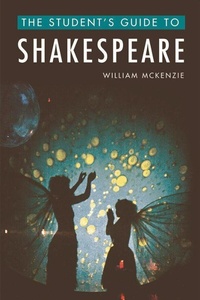
The Student's Guide to Shakespeare
Published on 27. February 2017
Book
Hardback
256 pages
978-1-4744-1351-0 (ISBN)
Description
An introductory guide to studying Shakespeare
This book is a 'one-stop-shop' for the busy undergraduate studying Shakespeare. Offering detailed guidance to the plays most often taught on undergraduate courses, the volume targets the topics tutors choose for essay questions and is organised to help students find the information they need quickly. Each text discussion contains sections on sources, characters, performance, themes, language, and critical history, helping students identify the different ways of approaching a text. The book's unique play-based structure and character-centre approach allows students to easily navigate the material. The flexibility of the design allows students to either read cover-to-cover, target a specific play, or explore elements of a narrative unit such as imagery or characterisation. The reader will gain quickly a full grasp of the kind of dramatist William Shakespeare was - and is.
Key Features
An introduction which gives an up-to-date 'state-of-play' of the academic, theatrical and cultural efforts inspired by Shakespeare's textsA discussion of critical approaches to the playwright's textsSuccinct guides to Shakespeare's most-studied playsDiscussion questions
This book is a 'one-stop-shop' for the busy undergraduate studying Shakespeare. Offering detailed guidance to the plays most often taught on undergraduate courses, the volume targets the topics tutors choose for essay questions and is organised to help students find the information they need quickly. Each text discussion contains sections on sources, characters, performance, themes, language, and critical history, helping students identify the different ways of approaching a text. The book's unique play-based structure and character-centre approach allows students to easily navigate the material. The flexibility of the design allows students to either read cover-to-cover, target a specific play, or explore elements of a narrative unit such as imagery or characterisation. The reader will gain quickly a full grasp of the kind of dramatist William Shakespeare was - and is.
Key Features
An introduction which gives an up-to-date 'state-of-play' of the academic, theatrical and cultural efforts inspired by Shakespeare's textsA discussion of critical approaches to the playwright's textsSuccinct guides to Shakespeare's most-studied playsDiscussion questions
Reviews / Votes
Fabulously useful and formidably organised and clear, William McKenzie's Guide to Shakespeare has what it takes to turn any curious and committed student into a really outstanding Shakespearean. And as well as helping you to get top marks it will give you the confidence and satisfaction of beginning to think about the most prestigious and famous writer in the world for yourself. Once you can do that, you can surely do anything--in literary studies, at any rate. -- Ewan Fernie, Shakespeare Institute, University of BirminghamMore details
Language
English
Place of publication
Edinburgh
United Kingdom
Target group
College/higher education
Product notice
sewn/stitched
Cloth over boards
Dimensions
Height: 246 mm
Width: 175 mm
Thickness: 18 mm
Weight
590 gr
ISBN-13
978-1-4744-1351-0 (9781474413510)
Copyright in bibliographic data and cover images is held by Nielsen Book Services Limited or by the publishers or by their respective licensors: all rights reserved.
Schweitzer Classification
Other editions
Additional editions
William McKenzie
Student's Guide to Shakespeare
E-Book
01/2017
1st Edition
Edinburgh University Press
€0.00
Available for download
Person
William McKenzie is Lecturer in the School of Modern Languages and Cultures, Durham University. He is the co-editor of Shakespeare and I (Bloomsbury,2012) and has published on early modern melancholy, Shakespearean confession, humanist pedagogy, and Renaissance obscenity.
Content
[A] Contents
[C] Acknowledgements
[B] Introduction
[C] 'Who was Shakespeare?' William Shakespeare 1564-1616
[C] 'How is Shakespeare?' Constructing Shakespearean meaning from his time to ours
[D] 1) From stage to page and back again: the Shakespearean 'text'
[D] 2) Shakespearean performance: interpretation, not distortion
[E] Shakespeare on Stage
[E] Shakespeare on Screen
[D] 3) Bardbiz: Shakespeare's 'afterlife'
[D] 4) Shakespeare criticism
[E] Late twentieth-century critical currents
[E] Marxism
[E] Psychoanalytical literary criticism
[E] Structuralism and poststructuralism
[E] Marginal characters: Feminism, Queer, Postcolonialism
[E] Feminism
[E] Queer theory
[E] Postcolonialism
[E] More recent developments in Shakespeare criticism
[D] Selective critical bibliography
[C] How this book will work
[B] Part 1 Tragedies
[B] Chapter 1 - Romeo and Juliet
[C] Plot summary
[C] Characters
[D] Juliet
[D] Romeo
[D] Mercutio
[D] Tybalt
[D] Friar Laurence
[D] Benvolio / 'Balthasar'
[D] Nurse
[D] Capulet
[D] Capulet's wife
[D] Paris
[C] Play structure
[C] Language
[C] Themes
[D] Youth, Subversion, Suicide
[D] 'O woeful time'...?
[C] Texts and contexts
[D] Texts
[D] Contexts
[D] Sources
[C] The Play in Performance
[C] Critical reception and further reading
[C] Discussion questions
[C] Bibliography
[B] Chapter 2 - Hamlet
[C] Plot summary
[C] Characters
[D] Hamlet
[D] Ghost
[D] Claudius
[D] Gertrude
[D] Ophelia
[D] Polonius
[D] Laertes
[D] Horatio
[C] Play structure
[C] Language
[C] Themes
[D] Baroque melancholia
[D] The 'time of death'
[D] 'The time is out of joint'
[C] Texts and contexts
[D] Texts
[D] Contexts
[D] Sources
[C] The Play in Performance
[C] Critical response
[C] Discussion question
[C] Bibliography and further reading
[B] Chapter 3 - Othello
[C] Plot summary
[C] Characters
[D] Iago
[D] Othello
[D] Desdemona
[D] Cassio
[D] Emilia
[D] Bianca
[D] Roderigo
[D] Brabantio
[C] Play structure
[C] Language
[C] Themes
[D] Machiavellianism
[D] Machismo and 'Trifles'
[D] 'Blackness' and Theological Fears
[C] Texts and contexts
[C] The Play in Performance
[C] Critical reception
[C] Discussion questions
[C] Bibliography and Further Reading
[B] Chapter 4 - Macbeth
[C] Plot summary
[C] Characters
[D] Macbeth
[D] Lady Macbeth
[D] Banquo
[D] The Witches/Weird Sisters
[D] Macduff
[D] Duncan
[D] The Porter
[D] Thanes
[C] Play structure
[C] Language
[C] Themes
[D] Fatal Supernaturalism
[D] Irreversible Action
[D] Secrecy and Equivocation
[C] Texts and contexts
[C] The Play in Performance
[C] Recent Critical interpretations
[C] Discussion questions
[C] Bibliography and Further Reading
[B] Chapter 5 - King Lear
[C] Plot summary
[C] Characters
[D] Lear
[D] Cordelia
[D] Edmund
[D] Gloucester
[D] Edgar
[D] Lear's Fool
[D] Goneril
[D] Regan
[D] Kent
[D] Albany
[D] Cornwall
[C] Play structure
[C] Language
[C] Themes
[D] Necessity
[D] Generations
[C] Texts and contexts
[C] The Play in Performance
[C] Critical reception
[C] Discussion questions
[C] Bibliography and Further Reading
[B] Chapter 6 - Anthony and Cleopatra
[C] Plot summary
[C] Characters
[D] Cleopatra
[D] Anthony
[D] Octavius Caesar
[D] Enobarbus
[D] Pompey
[D] Lepidus
[D] Octavia
[C] Play structure
[C] Language
[C] Themes
[D] Duty and pleasure
[D] Reputation, reality, and anti-climax
[D] Rivalries of love and death
[C] Texts and contexts
[C] The Play in Performance
[C] Critical Response
[C] Discussion questions
[C] Bibliography and Further Reading
[B] Part 2 Comedies
[B] Chapter 7 - A Midsummer Night's Dream
[C] Plot summary
[C] Characters
[D] Helena
[D] Hermia
[D] Lysander
[D] Demetrius
[D] Titania
[D] Oberon
[D] Puck
[D] Bottom
[D] Quince
[D] Snug
[D] Flute
[D] Theseus
[D] Hippolyta
[C] Play structure
[C] Language
[C] Themes
[D] Nature and enchantment
[D] Violence and sexuality
[D] Theatre, transformation, and dream
[C] Texts and contexts
[C] The Play in Performance
[C] Recent critical responses
[C] Discussion questions
[C] Bibliography and Further Reading
[B] Chapter 8 - The Merchant of Venice
[C] Plot summary
[C] Characters
[D] Shylock
[D] Antonio
[D] Portia
[D] Bassanio
[D] Jessica
[D] Lorenzo
[D] Graziano
[D] Nerissa
[D] Lancelot Gobbo
[D] Morocco
[D] Arragon
[D] Salarino, Salerio, Salanio
[C] Play structure
[C] Language
[C] Themes
[D] 'Fortune'
[D] Money, commodity, love
[D] Compulsion, mercy, justice
[C] Texts and contexts
[C] The Play in Performance
[C] Critical reception
[C] Discussion questions
[C] Bibliography
[B] Chapter 9 - Twelfth Night, or What you will
[C] Plot summary
[C] Characters
[D] Viola/Caesario
[D] Olivia
[D] Feste
[D] Malvolio
[D] Sir Toby Belch
[D] Sir Andrew Aguecheek
[D] Maria
[D] Orsino
[D] Sebastian and Antonio
[D] Fabian
[C] Play structure
[C] Language
[C] Themes
[D] Joy and melancholy
[D] Self-love
[C] Texts and contexts
[C] The Play in Performance
[C] Critical response
[C] Discussion questions
[C] Bibliography and Further Reading
[B] Chapter 10 - Measure for Measure
[C] Plot summary
[C] Characters
[D] Angelo
[D] Isabella
[D] Duke Vincentio
[D] Lucio
[D] Claudio
[D] Mariana
[D] Escalus
[D] Provost
[D] Mistress Overdone
[D] Pompey and Froth
[D] Elbow
[D] Abhorson and Barnardine
[D] Juliet
[D] Ragozine
[C] Play structure
[C] Language
[C] Themes
[D] Sex, suffering, and the afterlife
[D] Authority and Surveillance
[C] Texts and contexts
[D] Text
[D] Sources
[D] King James, Basilikon Doron and the Royal Entry
[D] Puritanism
[D] Epicureanism
[C] The Play in Performance
[C] Critical response
[C] Discussion questions
[C] Bibliography and Further Reading
[B] Part 3 - Histories
[B] Chapter 11- The 'Henriad'
[C] Plot summary
[C] Characters
[D] Henry Bolingbrooke (later Henry IV)
[D] Hal (later Henry V)
[D] Sir John Falstaff
[D] Richard II
[D] Hotspur
[D] Northumberland
[D] Mortimer
[D] Princess Katherine
[C] Language
[C] Themes
[D] Stagecraft and Statecraft
[D] International relations and a 'useable past'
[D] Royal Families
[C] Texts and contexts
[D] Texts
[D] Sources: Shakespeare and Holinshed
[C] The Plays in Performance
[D] Consecutive performance
[D] Richard II
[D] The Henry IV plays
[D] Henry V
[C] Critical response
[D] Richard II
[D] The Henry IV plays
[D] Henry V
[C] Discussion questions
[C] Bibliography
[B] Chapter 12 - The Henry VI trilogy and Richard III
[C] Plot summary
[C] Characters (Lancastrians)
[D] Princess Margaret
[D] Henry VI
[C] Characters (Yorkists)
[D] Richard Duke of York
[D] Richard Duke of Gloucester, later Richard III
[D] Edward Duke of York, later Edward IV
[D] George Duke of Clarence
[C] Others
[D] The Earl of Richmond, later Henry VII
[D] The Earl of Warwick
[D] Humphrey Duke of Gloucester
[D] Bishop of Winchester, later Cardinal Beaufort
[D] Jack Cade
[D] William de la Pole, Earl of Suffolk
[D] John Talbot
[D] Joan of Arc
[C] Language
[C] Themes
[D] A 'useable past'
[C] Texts and contexts
[D] Texts
[D] Shakespeare's revisionism: sources and their shaping
[C] The Plays in Performance
[D] The Henry VI trilogy
[D] Richard III
[C] Critical Reception
[C] Discussion questions
[C] Bibliography
[B] Part 4 - Late plays
[B] Chapter 13 - The Winter's Tale
[C] Plot summary
[C] Characters
[D] Hermione
[D] Leontes
[D] Perdita
[D] Polixenes
[D] Camillo
[D] Florizel
[D] Paulina
[D] Antigonus
[D] Autolycus
[D] Shepherd and Clown
[D] Mamillius
[C] Play structure
[C] Language
[C] Themes
[D] Time and consolation
[D] Seasonal renewal
[D] Costume, Court, and Country
[D] Art and Nature
[C] Texts and contexts
[D] Text
[D] Sources
[D] Contexts and influences
[D] 'Tragi-comedie'
[C] The Play in Performance
[C] Critical heritage
[C] Discussion questions
[C] Bibliography
[B] Chapter 14 - The Tempest
[C] Plot summary
[C] Characters
[D] Prospero
[D] Ariel
[D] Caliban
[D] Miranda
[D] Ferdinand
[D] Gonzalo
[D] Alonso
[D] Sebastian
[D] Antonio
[D] Trinculo
[D] Stephano
[C] Play structure
[C] Language
[C] Themes
[D] Power and rank
[D] Knowledge, power, and forgiveness
[C] Texts and contexts
[C] The Play in Performance
[C] Critical response
[C] Discussion questions
[C] Bibliography
[B] Historical Chronology
[B] Glossary
[C] Acknowledgements
[B] Introduction
[C] 'Who was Shakespeare?' William Shakespeare 1564-1616
[C] 'How is Shakespeare?' Constructing Shakespearean meaning from his time to ours
[D] 1) From stage to page and back again: the Shakespearean 'text'
[D] 2) Shakespearean performance: interpretation, not distortion
[E] Shakespeare on Stage
[E] Shakespeare on Screen
[D] 3) Bardbiz: Shakespeare's 'afterlife'
[D] 4) Shakespeare criticism
[E] Late twentieth-century critical currents
[E] Marxism
[E] Psychoanalytical literary criticism
[E] Structuralism and poststructuralism
[E] Marginal characters: Feminism, Queer, Postcolonialism
[E] Feminism
[E] Queer theory
[E] Postcolonialism
[E] More recent developments in Shakespeare criticism
[D] Selective critical bibliography
[C] How this book will work
[B] Part 1 Tragedies
[B] Chapter 1 - Romeo and Juliet
[C] Plot summary
[C] Characters
[D] Juliet
[D] Romeo
[D] Mercutio
[D] Tybalt
[D] Friar Laurence
[D] Benvolio / 'Balthasar'
[D] Nurse
[D] Capulet
[D] Capulet's wife
[D] Paris
[C] Play structure
[C] Language
[C] Themes
[D] Youth, Subversion, Suicide
[D] 'O woeful time'...?
[C] Texts and contexts
[D] Texts
[D] Contexts
[D] Sources
[C] The Play in Performance
[C] Critical reception and further reading
[C] Discussion questions
[C] Bibliography
[B] Chapter 2 - Hamlet
[C] Plot summary
[C] Characters
[D] Hamlet
[D] Ghost
[D] Claudius
[D] Gertrude
[D] Ophelia
[D] Polonius
[D] Laertes
[D] Horatio
[C] Play structure
[C] Language
[C] Themes
[D] Baroque melancholia
[D] The 'time of death'
[D] 'The time is out of joint'
[C] Texts and contexts
[D] Texts
[D] Contexts
[D] Sources
[C] The Play in Performance
[C] Critical response
[C] Discussion question
[C] Bibliography and further reading
[B] Chapter 3 - Othello
[C] Plot summary
[C] Characters
[D] Iago
[D] Othello
[D] Desdemona
[D] Cassio
[D] Emilia
[D] Bianca
[D] Roderigo
[D] Brabantio
[C] Play structure
[C] Language
[C] Themes
[D] Machiavellianism
[D] Machismo and 'Trifles'
[D] 'Blackness' and Theological Fears
[C] Texts and contexts
[C] The Play in Performance
[C] Critical reception
[C] Discussion questions
[C] Bibliography and Further Reading
[B] Chapter 4 - Macbeth
[C] Plot summary
[C] Characters
[D] Macbeth
[D] Lady Macbeth
[D] Banquo
[D] The Witches/Weird Sisters
[D] Macduff
[D] Duncan
[D] The Porter
[D] Thanes
[C] Play structure
[C] Language
[C] Themes
[D] Fatal Supernaturalism
[D] Irreversible Action
[D] Secrecy and Equivocation
[C] Texts and contexts
[C] The Play in Performance
[C] Recent Critical interpretations
[C] Discussion questions
[C] Bibliography and Further Reading
[B] Chapter 5 - King Lear
[C] Plot summary
[C] Characters
[D] Lear
[D] Cordelia
[D] Edmund
[D] Gloucester
[D] Edgar
[D] Lear's Fool
[D] Goneril
[D] Regan
[D] Kent
[D] Albany
[D] Cornwall
[C] Play structure
[C] Language
[C] Themes
[D] Necessity
[D] Generations
[C] Texts and contexts
[C] The Play in Performance
[C] Critical reception
[C] Discussion questions
[C] Bibliography and Further Reading
[B] Chapter 6 - Anthony and Cleopatra
[C] Plot summary
[C] Characters
[D] Cleopatra
[D] Anthony
[D] Octavius Caesar
[D] Enobarbus
[D] Pompey
[D] Lepidus
[D] Octavia
[C] Play structure
[C] Language
[C] Themes
[D] Duty and pleasure
[D] Reputation, reality, and anti-climax
[D] Rivalries of love and death
[C] Texts and contexts
[C] The Play in Performance
[C] Critical Response
[C] Discussion questions
[C] Bibliography and Further Reading
[B] Part 2 Comedies
[B] Chapter 7 - A Midsummer Night's Dream
[C] Plot summary
[C] Characters
[D] Helena
[D] Hermia
[D] Lysander
[D] Demetrius
[D] Titania
[D] Oberon
[D] Puck
[D] Bottom
[D] Quince
[D] Snug
[D] Flute
[D] Theseus
[D] Hippolyta
[C] Play structure
[C] Language
[C] Themes
[D] Nature and enchantment
[D] Violence and sexuality
[D] Theatre, transformation, and dream
[C] Texts and contexts
[C] The Play in Performance
[C] Recent critical responses
[C] Discussion questions
[C] Bibliography and Further Reading
[B] Chapter 8 - The Merchant of Venice
[C] Plot summary
[C] Characters
[D] Shylock
[D] Antonio
[D] Portia
[D] Bassanio
[D] Jessica
[D] Lorenzo
[D] Graziano
[D] Nerissa
[D] Lancelot Gobbo
[D] Morocco
[D] Arragon
[D] Salarino, Salerio, Salanio
[C] Play structure
[C] Language
[C] Themes
[D] 'Fortune'
[D] Money, commodity, love
[D] Compulsion, mercy, justice
[C] Texts and contexts
[C] The Play in Performance
[C] Critical reception
[C] Discussion questions
[C] Bibliography
[B] Chapter 9 - Twelfth Night, or What you will
[C] Plot summary
[C] Characters
[D] Viola/Caesario
[D] Olivia
[D] Feste
[D] Malvolio
[D] Sir Toby Belch
[D] Sir Andrew Aguecheek
[D] Maria
[D] Orsino
[D] Sebastian and Antonio
[D] Fabian
[C] Play structure
[C] Language
[C] Themes
[D] Joy and melancholy
[D] Self-love
[C] Texts and contexts
[C] The Play in Performance
[C] Critical response
[C] Discussion questions
[C] Bibliography and Further Reading
[B] Chapter 10 - Measure for Measure
[C] Plot summary
[C] Characters
[D] Angelo
[D] Isabella
[D] Duke Vincentio
[D] Lucio
[D] Claudio
[D] Mariana
[D] Escalus
[D] Provost
[D] Mistress Overdone
[D] Pompey and Froth
[D] Elbow
[D] Abhorson and Barnardine
[D] Juliet
[D] Ragozine
[C] Play structure
[C] Language
[C] Themes
[D] Sex, suffering, and the afterlife
[D] Authority and Surveillance
[C] Texts and contexts
[D] Text
[D] Sources
[D] King James, Basilikon Doron and the Royal Entry
[D] Puritanism
[D] Epicureanism
[C] The Play in Performance
[C] Critical response
[C] Discussion questions
[C] Bibliography and Further Reading
[B] Part 3 - Histories
[B] Chapter 11- The 'Henriad'
[C] Plot summary
[C] Characters
[D] Henry Bolingbrooke (later Henry IV)
[D] Hal (later Henry V)
[D] Sir John Falstaff
[D] Richard II
[D] Hotspur
[D] Northumberland
[D] Mortimer
[D] Princess Katherine
[C] Language
[C] Themes
[D] Stagecraft and Statecraft
[D] International relations and a 'useable past'
[D] Royal Families
[C] Texts and contexts
[D] Texts
[D] Sources: Shakespeare and Holinshed
[C] The Plays in Performance
[D] Consecutive performance
[D] Richard II
[D] The Henry IV plays
[D] Henry V
[C] Critical response
[D] Richard II
[D] The Henry IV plays
[D] Henry V
[C] Discussion questions
[C] Bibliography
[B] Chapter 12 - The Henry VI trilogy and Richard III
[C] Plot summary
[C] Characters (Lancastrians)
[D] Princess Margaret
[D] Henry VI
[C] Characters (Yorkists)
[D] Richard Duke of York
[D] Richard Duke of Gloucester, later Richard III
[D] Edward Duke of York, later Edward IV
[D] George Duke of Clarence
[C] Others
[D] The Earl of Richmond, later Henry VII
[D] The Earl of Warwick
[D] Humphrey Duke of Gloucester
[D] Bishop of Winchester, later Cardinal Beaufort
[D] Jack Cade
[D] William de la Pole, Earl of Suffolk
[D] John Talbot
[D] Joan of Arc
[C] Language
[C] Themes
[D] A 'useable past'
[C] Texts and contexts
[D] Texts
[D] Shakespeare's revisionism: sources and their shaping
[C] The Plays in Performance
[D] The Henry VI trilogy
[D] Richard III
[C] Critical Reception
[C] Discussion questions
[C] Bibliography
[B] Part 4 - Late plays
[B] Chapter 13 - The Winter's Tale
[C] Plot summary
[C] Characters
[D] Hermione
[D] Leontes
[D] Perdita
[D] Polixenes
[D] Camillo
[D] Florizel
[D] Paulina
[D] Antigonus
[D] Autolycus
[D] Shepherd and Clown
[D] Mamillius
[C] Play structure
[C] Language
[C] Themes
[D] Time and consolation
[D] Seasonal renewal
[D] Costume, Court, and Country
[D] Art and Nature
[C] Texts and contexts
[D] Text
[D] Sources
[D] Contexts and influences
[D] 'Tragi-comedie'
[C] The Play in Performance
[C] Critical heritage
[C] Discussion questions
[C] Bibliography
[B] Chapter 14 - The Tempest
[C] Plot summary
[C] Characters
[D] Prospero
[D] Ariel
[D] Caliban
[D] Miranda
[D] Ferdinand
[D] Gonzalo
[D] Alonso
[D] Sebastian
[D] Antonio
[D] Trinculo
[D] Stephano
[C] Play structure
[C] Language
[C] Themes
[D] Power and rank
[D] Knowledge, power, and forgiveness
[C] Texts and contexts
[C] The Play in Performance
[C] Critical response
[C] Discussion questions
[C] Bibliography
[B] Historical Chronology
[B] Glossary