

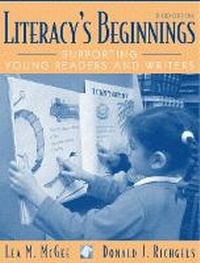
Literacy's Beginnings
Supporting Young Readers and Writers
3rd Edition
Published on 14. December 1999
Book
Paperback/Softback
396 pages
978-0-205-29931-7 (ISBN)
Description
The third edition of Literacy's Beginnings: Supporting Young Readers and Writers offers an integrated, literature-based approach to reading and writing instruction keyed to the typical developmental stages through which most children pass. Its emphasis is on child-centered instruction in phonemic awareness, phonics, decoding, comprehension, and interpretation. Numerous vignettes are presented, which describe young children's reading and writing from birth to age eight. Children's learning is examined in social settings, including home, preschool, and school.
A thorough description of ways to organize an environment to stimulate the growth of language, both written and oral, makes the text an invaluable resource for prospective teachers of children from birth to age eight.
A thorough description of ways to organize an environment to stimulate the growth of language, both written and oral, makes the text an invaluable resource for prospective teachers of children from birth to age eight.
More details
Edition
3rd edition
Language
English
Place of publication
United States
Publishing group
Pearson Education (US)
Target group
Professional and scholarly
Dimensions
Width: 235 mm
Thickness: 19 mm
Weight
605 gr
ISBN-13
978-0-205-29931-7 (9780205299317)
Copyright in bibliographic data and cover images is held by Nielsen Book Services Limited or by the publishers or by their respective licensors: all rights reserved.
Schweitzer Classification
Other editions
New editions
Book
02/2004
4th Edition
Pearson
€77.03
Article exhausted; check for reprint
Previous edition

McGee
Literacy's Beginnings
Book
12/1995
2nd Edition
Allyn & Bacon
€57.19
Article exhausted; check different version
Content
Most chapters include "Key Concepts," "Chapter Summary," "Applying the Information," "Going beyond the Text," and "References."
1.Understanding Children's Literacy Development.
Language Development.
Literacy Development.
Children's Concepts about Written Language.
Written and Spoken Language Functions.
Written and Spoken Language Meanings.
Written Language Forms.
Meaning-Form Links.
Developmental Changes in Children's Reading and Writing.
2.From Birth to Three Years: Literacy Beginners.
What Literacy Beginners Show Us.
Home Influences on Literacy Learning.
Implication for Child Care and Nursery School.
3.From Three to Five Years: Novice Readers and Writers.
Who Are Novice Readers and Writers?
Meaning.
Written Language Forms.
Meaning-Form Links.
Written Language Functions.
A Word of Caution.
4.From Five to Seven Years: Experimenting Readers and Writers.
Who Are Experimenters?
Experimenting with Meaning.
Experimenting with Forms.
Experimenting with Meaning-Form Links.
Experimenting with Functions of Written Language.
A Word of Caution.
5.From Six to Eight Years: Conventional Readers and Writers.
Who Are Conventional Readers and Writers?
Meaning and Construction.
Written Language Forms.
Meaning-Form Links.
Functions.
The Traditional End Points: Reading and Word Identification, Vocabulary, and Comprehension.
6.Literacy-Rich Classrooms.
Developmentally Appropriate Practice.
Characteristics of Literacy-Rich Classrooms.
Literacy Materials.
Physical Arrangement of Classrooms.
Literacy Routines.
Culturally Sensitive and Integrated Curriculum.
Assessment, Instruction, and Grouping.
7.Supporting Literacy Learning in Preschools.
The Preschool Context.
Reading and Writing in Mrs. Miller's Preschool Classroom.
Preparing for Phonemic Awareness.
Preparing for Literacy Awareness, Story Concepts, and Concepts of Print.
Preschool Experiences with Book Reading.
Preschool Experiences with Writing.
Preschool Experiences with Play.
Another Look: The Teacher's Roles.
8.Supporting Literacy Learning in Kindergarten.
The Kindergarten Context: What's New Here?
Writing and Reading in Mrs. Poremba's Kindergarten.
Helping Children Attend to Sound in Words.
Kindergarten Experiences with Reading.
Kindergarten Experiences with Writing.
Kindergarten Experiences with Play.
Another Look: The Teacher's Roles.
9.Supporting Literacy Learning in the First Grade.
What's New Here?
Basal Approached to First Grade Reading Instruction.
Guided Reading Approach to First Grade Reading.
Writing Instruction in First Grade.
10.Supporting Literacy Beyond the First Grade.
What's New Here?
Using Writing and Reading Workshop.
Reading and Writing Narratives.
Reading and Writing Poetry.
Reading and Writing Informational Text.
Learning Conventions.
11.Diverse Learners.
Learners At-Risk.
Special-Needs Learners.
Learners from Diverse Cultural Backgrounds.
Children from Diverse Language Backgrounds.
12.Assessment.
A Day in Kindergarten.
Classroom Assessment.
Assessment Tools.
Using Portfolios.
1.Understanding Children's Literacy Development.
Language Development.
Literacy Development.
Children's Concepts about Written Language.
Written and Spoken Language Functions.
Written and Spoken Language Meanings.
Written Language Forms.
Meaning-Form Links.
Developmental Changes in Children's Reading and Writing.
2.From Birth to Three Years: Literacy Beginners.
What Literacy Beginners Show Us.
Home Influences on Literacy Learning.
Implication for Child Care and Nursery School.
3.From Three to Five Years: Novice Readers and Writers.
Who Are Novice Readers and Writers?
Meaning.
Written Language Forms.
Meaning-Form Links.
Written Language Functions.
A Word of Caution.
4.From Five to Seven Years: Experimenting Readers and Writers.
Who Are Experimenters?
Experimenting with Meaning.
Experimenting with Forms.
Experimenting with Meaning-Form Links.
Experimenting with Functions of Written Language.
A Word of Caution.
5.From Six to Eight Years: Conventional Readers and Writers.
Who Are Conventional Readers and Writers?
Meaning and Construction.
Written Language Forms.
Meaning-Form Links.
Functions.
The Traditional End Points: Reading and Word Identification, Vocabulary, and Comprehension.
6.Literacy-Rich Classrooms.
Developmentally Appropriate Practice.
Characteristics of Literacy-Rich Classrooms.
Literacy Materials.
Physical Arrangement of Classrooms.
Literacy Routines.
Culturally Sensitive and Integrated Curriculum.
Assessment, Instruction, and Grouping.
7.Supporting Literacy Learning in Preschools.
The Preschool Context.
Reading and Writing in Mrs. Miller's Preschool Classroom.
Preparing for Phonemic Awareness.
Preparing for Literacy Awareness, Story Concepts, and Concepts of Print.
Preschool Experiences with Book Reading.
Preschool Experiences with Writing.
Preschool Experiences with Play.
Another Look: The Teacher's Roles.
8.Supporting Literacy Learning in Kindergarten.
The Kindergarten Context: What's New Here?
Writing and Reading in Mrs. Poremba's Kindergarten.
Helping Children Attend to Sound in Words.
Kindergarten Experiences with Reading.
Kindergarten Experiences with Writing.
Kindergarten Experiences with Play.
Another Look: The Teacher's Roles.
9.Supporting Literacy Learning in the First Grade.
What's New Here?
Basal Approached to First Grade Reading Instruction.
Guided Reading Approach to First Grade Reading.
Writing Instruction in First Grade.
10.Supporting Literacy Beyond the First Grade.
What's New Here?
Using Writing and Reading Workshop.
Reading and Writing Narratives.
Reading and Writing Poetry.
Reading and Writing Informational Text.
Learning Conventions.
11.Diverse Learners.
Learners At-Risk.
Special-Needs Learners.
Learners from Diverse Cultural Backgrounds.
Children from Diverse Language Backgrounds.
12.Assessment.
A Day in Kindergarten.
Classroom Assessment.
Assessment Tools.
Using Portfolios.