

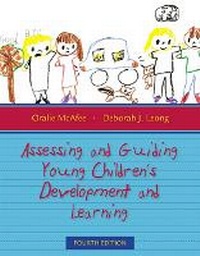
Assessing and Guiding Young Children's Development and Learning
4th Edition
Published on 7. August 2006
Book
Hardback
304 pages
978-0-205-49718-8 (ISBN)
Description
This comprehensive guide to assessment in early childhood continues to provide the most current research, best thinking, and practical guidance to integrate assessment with effective teaching.
Assessing and Guiding Young Children's Development and Learning is the only book that shows assessment as a process teachers can use to improve teaching and ensure student learning. It incorporates current trends in assessment with examples and approaches being used in early childhood classrooms.
The book includes guides for interpreting and using assessment information once it has been collected. The assessment strategies presented are compatible with all approaches to educating young children. The social, cultural, legal, and ethical context of assessment and its implications for teachers and teaching are realistically presented.
Assessing and Guiding Young Children's Development and Learning is the only book that shows assessment as a process teachers can use to improve teaching and ensure student learning. It incorporates current trends in assessment with examples and approaches being used in early childhood classrooms.
The book includes guides for interpreting and using assessment information once it has been collected. The assessment strategies presented are compatible with all approaches to educating young children. The social, cultural, legal, and ethical context of assessment and its implications for teachers and teaching are realistically presented.
More details
Edition
4th edition
Language
English
Place of publication
United States
Publishing group
Pearson Education (US)
Target group
Professional and scholarly
Dimensions
Height: 274 mm
Width: 209 mm
Thickness: 15 mm
Weight
708 gr
ISBN-13
978-0-205-49718-8 (9780205497188)
Copyright in bibliographic data and cover images is held by Nielsen Book Services Limited or by the publishers or by their respective licensors: all rights reserved.
Schweitzer Classification
Other editions
New editions
Oralie McAfee | Deborah J. Leong
Assessing and Guiding Young Children's Development and Learning
Book
04/2010
5th Edition
Pearson
€84.17
Article exhausted; check for reprint
Previous edition
Oralie McAfee | Deborah J. Leong
Assessing and Guiding Young Children's Development and Learning
Book
03/2002
3rd Edition
Pearson
€59.60
Article exhausted; check for reprint
Content
Preface
PartI.Professionalism In Assessment.
1. Assessment In Early Childhood: A Work In Progress.
Assessment Vocabulary
Expectations of Teachers
Factors Contributing to Current Practices in Assessment
Professional Responsibility
Summary
For Personal Reflection
For Further Study and Discussion
Suggested Reading
2. Legal, Ethical, And Professional Responsibilities In Assessment.
Know Federal and State Laws that Mandate Assessment
Protect Child and Family Rights
The Right to Equal Protection under the Law
The Right to Due Process
The Right to Privacy
Major Legislation
Be Sensitive to Individual Differences
Be Sensitive to Social and Cultural Differences
Be Fair and Impartial
Use Assessment Results in Appropriate Ways
Know and Abide by State, School District, and Center Policies
Summary
For Personal Reflection
For Further Study and Discussion
Suggested Reading
II. Assessing and Teaching.
3. Why, What, And When to Assess.
Assessment Decisions
Why Assess?
To Monitor Children's Development and Learning
To Guide Classroom Planning and Decision-making
To Identify Children Who Might Benefit from Special Help
To Report to and Communicate With Others
What to Assess
When to Assess
Some Final Thoughts
Summary
For Personal Reflection
For Further Study and Discussion
Suggested Reading
4. Documenting: Collecting Information.
Multiple Windows
Sources of Information
Methods of Collecting Information
Contexts for Assessment
Choosing the Appropriate Assessment Window
Summary
For Personal Reflection
For Further Study and Discussion
Suggested Reading
5. Documenting: Recording Information.
Description and Examps of Recording Procedues
Selecting a Recording Procedure
Summary
For Personal Reflection
For Further Study and Discussion
Suggested Reading
6. Compiling And Summarizing Information.
Portfolios
Group and Individual Profiles
Summary
For Personal Reflection
For Further Study and Discussion
Suggested Reading
7. Interpreting Assessment Information.
Ensure the Authenticity and Trustworthiness of the Data
Interpret and Understand the Meaning of Assessment Findings
Summary
For Personal Reflection
For Further Study and Discussion
Suggested Reading
8. Using Assessment Information.
Planning Strategies
Individual and Group Strategies
Curriculum and Classroom Modification Strategies
Examples of using Assessment and Information to Guide Instruction
Summary
For Personal Reflection
For Further Study and Discussion
Suggested Reading
9. Organizing for Assessment.
Integrating Assessment and Teaching
Developing a Plan
Organizing Files and Forms
Summary
For Personal Reflection
For Further Study and Discussion
Suggested Reading
III. The Classroom and Beyond.
10. Standardized Testing: What Early Childhood Teachers Should Know.
The Difference Between an Assessment That Has Standardized Procedures and a
Standardized Test
Definition of a Standardized Test
Limitations and Inadequacies of Standardized Testing
Types of Standardized Tests
The Early Childhood Teacher's Role in Standardized Testing
Instruments Measuring Opportunities to Learn
Summary
For Personal Reflection
For Further Study and Discussion
Suggested Reading
11. Communicating And Collaborating Using Assessment.
Communicating with Children
Communicating with Parents
Communicating and Collaborating with Other Professionals
Professional and Personal Development and Learning
Summary
For Personal Reflection
For Further Study and Discussion
Suggested Reading
Appendix A: Assessment And Analysis Guides.
Appendix B: Developmental Red Flags for Children Ages 3 to 5.
Glossary
References
Author Index
Subject Index
PartI.Professionalism In Assessment.
1. Assessment In Early Childhood: A Work In Progress.
Assessment Vocabulary
Expectations of Teachers
Factors Contributing to Current Practices in Assessment
Professional Responsibility
Summary
For Personal Reflection
For Further Study and Discussion
Suggested Reading
2. Legal, Ethical, And Professional Responsibilities In Assessment.
Know Federal and State Laws that Mandate Assessment
Protect Child and Family Rights
The Right to Equal Protection under the Law
The Right to Due Process
The Right to Privacy
Major Legislation
Be Sensitive to Individual Differences
Be Sensitive to Social and Cultural Differences
Be Fair and Impartial
Use Assessment Results in Appropriate Ways
Know and Abide by State, School District, and Center Policies
Summary
For Personal Reflection
For Further Study and Discussion
Suggested Reading
II. Assessing and Teaching.
3. Why, What, And When to Assess.
Assessment Decisions
Why Assess?
To Monitor Children's Development and Learning
To Guide Classroom Planning and Decision-making
To Identify Children Who Might Benefit from Special Help
To Report to and Communicate With Others
What to Assess
When to Assess
Some Final Thoughts
Summary
For Personal Reflection
For Further Study and Discussion
Suggested Reading
4. Documenting: Collecting Information.
Multiple Windows
Sources of Information
Methods of Collecting Information
Contexts for Assessment
Choosing the Appropriate Assessment Window
Summary
For Personal Reflection
For Further Study and Discussion
Suggested Reading
5. Documenting: Recording Information.
Description and Examps of Recording Procedues
Selecting a Recording Procedure
Summary
For Personal Reflection
For Further Study and Discussion
Suggested Reading
6. Compiling And Summarizing Information.
Portfolios
Group and Individual Profiles
Summary
For Personal Reflection
For Further Study and Discussion
Suggested Reading
7. Interpreting Assessment Information.
Ensure the Authenticity and Trustworthiness of the Data
Interpret and Understand the Meaning of Assessment Findings
Summary
For Personal Reflection
For Further Study and Discussion
Suggested Reading
8. Using Assessment Information.
Planning Strategies
Individual and Group Strategies
Curriculum and Classroom Modification Strategies
Examples of using Assessment and Information to Guide Instruction
Summary
For Personal Reflection
For Further Study and Discussion
Suggested Reading
9. Organizing for Assessment.
Integrating Assessment and Teaching
Developing a Plan
Organizing Files and Forms
Summary
For Personal Reflection
For Further Study and Discussion
Suggested Reading
III. The Classroom and Beyond.
10. Standardized Testing: What Early Childhood Teachers Should Know.
The Difference Between an Assessment That Has Standardized Procedures and a
Standardized Test
Definition of a Standardized Test
Limitations and Inadequacies of Standardized Testing
Types of Standardized Tests
The Early Childhood Teacher's Role in Standardized Testing
Instruments Measuring Opportunities to Learn
Summary
For Personal Reflection
For Further Study and Discussion
Suggested Reading
11. Communicating And Collaborating Using Assessment.
Communicating with Children
Communicating with Parents
Communicating and Collaborating with Other Professionals
Professional and Personal Development and Learning
Summary
For Personal Reflection
For Further Study and Discussion
Suggested Reading
Appendix A: Assessment And Analysis Guides.
Appendix B: Developmental Red Flags for Children Ages 3 to 5.
Glossary
References
Author Index
Subject Index