

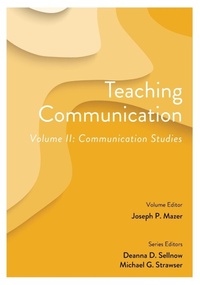
Teaching Communication, Volume II
Communication Studies
Published on 5. June 2024
Book
Paperback/Softback
422 pages
978-1-7935-2331-0 (ISBN)
Description
Teaching Communication is an innovative series designed to help communication instructors develop a course for the first time or to guide teacher-trainers as they work with new teachers in formal classroom settings or informal mentoring sessions. Providing theoretically grounded research-based guidelines for teaching communication effectively, each volume in the series provides robust suggestions for what to teach and how to teach various communication topics. Volume II: Communication Studies contains a comprehensive and contemporary discussion of topics and issues about the teaching of communication studies. The chapters-written by key voices in the communication discipline-address conceptual as well as practical issues related to communication studies instruction. Opening chapters cover strategies and approaches for teaching introductory, foundational, and core courses, such as public speaking, the hybrid course, communication theory, and research methods. Additional chapters address courses that showcase relational topics and issues, such as interpersonal and family communication, intercultural communication, gender and communication, and nonverbal communication. Others emphasize the importance of communication in professional and workplace contexts (e.g., group and organizational communication), and closing chapters expand communication skills development to public engagement contexts, such as teaching persuasion, health and environmental communication, and ethics. Providing readers with the knowledge and skillsets they need to become effective educators, the Teaching Communication series is an exemplary resource for courses and programs in teaching communication. Chapters and contributors: Series Preface - Deanna D. Sellnow and Michael G. Strawser, Volume II Preface
Chapter 1. Teaching Public Speaking - Lindsey B. Anderson
Chapter 2. Teaching the Hybrid Introductory Communication Course - Melissa A. Broeckelman-Post
Chapter 3. Teaching Communication Theory - J. Kevin Barge
Chapter 4. Teaching Communication Research Methods - Joann Keyton and Pavitra Kavya
Chapter 5. Teaching Interpersonal Communication - Elizabeth Graham and Scott A. Myers
Chapter 6. Teaching Family Communication - Dawn O. Braithwaite
Chapter 7. Teaching Intercultural Communication - Yea-Wen Chen and Brandi Lawless
Chapter 8. Teaching Gender and Communication - Meggie Mapes and Alaina Walberg
Chapter 9. Teaching Nonverbal Communication - Laura K. Guerrero and Valerie Manusov
Chapter 10. Teaching Mediated Communication Technologies - Nick Bowman, Stephanie Kelly, KJ Rocker, Kyle R. Vareberg, and David Westerman
Chapter 11. Teaching Business and Professional Communication - Stephen A. Spates and Shawn T. Wahl
Chapter 12. Teaching Organizational Communication and Leadership - Roth Smith and Lance Lippert
Chapter 13. Teaching Group Communication - Angela M. Hosek, Caroline Waldbuesser, and Carly Densmore
Chapter 14. Teaching Health Communication - Heather J. Carmack and Margaret M. Quinlan
Chapter 15. Teaching Political Communication - Jerry L. Miller
Chapter 16. Teaching Persuasion - Kevin R. Meyer and Stephen K. Hunt
Chapter 17. Teaching Rhetorical Criticism - Jim A. Kuypers, Joseph M. Valenzano, III, and Jason A. Edwards
Chapter 18. Teaching Argumentation and Advocacy - Matthew deTar
Chapter 19. Teaching Sport Communication - Gregory A. Cranmer and Samuel Hakim
Chapter 20. Teaching Environmental Communication - Maria Blevins
Chapter 21. Teaching Communication Ethics - Brenden E. Kendall
Chapter 1. Teaching Public Speaking - Lindsey B. Anderson
Chapter 2. Teaching the Hybrid Introductory Communication Course - Melissa A. Broeckelman-Post
Chapter 3. Teaching Communication Theory - J. Kevin Barge
Chapter 4. Teaching Communication Research Methods - Joann Keyton and Pavitra Kavya
Chapter 5. Teaching Interpersonal Communication - Elizabeth Graham and Scott A. Myers
Chapter 6. Teaching Family Communication - Dawn O. Braithwaite
Chapter 7. Teaching Intercultural Communication - Yea-Wen Chen and Brandi Lawless
Chapter 8. Teaching Gender and Communication - Meggie Mapes and Alaina Walberg
Chapter 9. Teaching Nonverbal Communication - Laura K. Guerrero and Valerie Manusov
Chapter 10. Teaching Mediated Communication Technologies - Nick Bowman, Stephanie Kelly, KJ Rocker, Kyle R. Vareberg, and David Westerman
Chapter 11. Teaching Business and Professional Communication - Stephen A. Spates and Shawn T. Wahl
Chapter 12. Teaching Organizational Communication and Leadership - Roth Smith and Lance Lippert
Chapter 13. Teaching Group Communication - Angela M. Hosek, Caroline Waldbuesser, and Carly Densmore
Chapter 14. Teaching Health Communication - Heather J. Carmack and Margaret M. Quinlan
Chapter 15. Teaching Political Communication - Jerry L. Miller
Chapter 16. Teaching Persuasion - Kevin R. Meyer and Stephen K. Hunt
Chapter 17. Teaching Rhetorical Criticism - Jim A. Kuypers, Joseph M. Valenzano, III, and Jason A. Edwards
Chapter 18. Teaching Argumentation and Advocacy - Matthew deTar
Chapter 19. Teaching Sport Communication - Gregory A. Cranmer and Samuel Hakim
Chapter 20. Teaching Environmental Communication - Maria Blevins
Chapter 21. Teaching Communication Ethics - Brenden E. Kendall
More details
Language
English
Place of publication
San Diego
United States
Target group
Professional and scholarly
Product notice
Paperback (trade)
Dimensions
Height: 254 mm
Width: 178 mm
Thickness: 23 mm
Weight
790 gr
ISBN-13
978-1-7935-2331-0 (9781793523310)
Copyright in bibliographic data and cover images is held by Nielsen Book Services Limited or by the publishers or by their respective licensors: all rights reserved.
Schweitzer Classification
Person
Joseph P. Mazer (Ph.D., Ohio University) is a professor and dean of the College of Communication and Information at the University of Tennessee, Knoxville. He is a nationally recognized communication scholar with research interests in communication in teaching and learning, social media and new technologies, and communication in interpersonal relationships. He is the editor of Communication Education, the discipline's premier education-focused academic journal.
Content
Chapters and contributors: Series Preface - Deanna D. Sellnow and Michael G. Strawser, Volume II Preface
Chapter 1. Teaching Public Speaking - Lindsey B. Anderson
Chapter 2. Teaching the Hybrid Introductory Communication Course - Melissa A. Broeckelman-Post
Chapter 3. Teaching Communication Theory - J. Kevin Barge
Chapter 4. Teaching Communication Research Methods - Joann Keyton and Pavitra Kavya
Chapter 5. Teaching Interpersonal Communication - Elizabeth Graham and Scott A. Myers
Chapter 6. Teaching Family Communication - Dawn O. Braithwaite
Chapter 7. Teaching Intercultural Communication - Yea-Wen Chen and Brandi Lawless
Chapter 8. Teaching Gender and Communication - Meggie Mapes and Alaina Walberg
Chapter 9. Teaching Nonverbal Communication - Laura K. Guerrero and Valerie Manusov
Chapter 10. Teaching Mediated Communication Technologies - Nick Bowman, Stephanie Kelly, KJ Rocker, Kyle R. Vareberg, and David Westerman
Chapter 11. Teaching Business and Professional Communication - Stephen A. Spates and Shawn T. Wahl
Chapter 12. Teaching Organizational Communication and Leadership - Roth Smith and Lance Lippert
Chapter 13. Teaching Group Communication - Angela M. Hosek, Caroline Waldbuesser, and Carly Densmore
Chapter 14. Teaching Health Communication - Heather J. Carmack and Margaret M. Quinlan
Chapter 15. Teaching Political Communication - Jerry L. Miller
Chapter 16. Teaching Persuasion - Kevin R. Meyer and Stephen K. Hunt
Chapter 17. Teaching Rhetorical Criticism - Jim A. Kuypers, Joseph M. Valenzano, III, and Jason A. Edwards
Chapter 18. Teaching Argumentation and Advocacy - Matthew deTar
Chapter 19. Teaching Sport Communication - Gregory A. Cranmer and Samuel Hakim
Chapter 20. Teaching Environmental Communication - Maria Blevins
Chapter 21. Teaching Communication Ethics - Brenden E. Kendall
Chapter 1. Teaching Public Speaking - Lindsey B. Anderson
Chapter 2. Teaching the Hybrid Introductory Communication Course - Melissa A. Broeckelman-Post
Chapter 3. Teaching Communication Theory - J. Kevin Barge
Chapter 4. Teaching Communication Research Methods - Joann Keyton and Pavitra Kavya
Chapter 5. Teaching Interpersonal Communication - Elizabeth Graham and Scott A. Myers
Chapter 6. Teaching Family Communication - Dawn O. Braithwaite
Chapter 7. Teaching Intercultural Communication - Yea-Wen Chen and Brandi Lawless
Chapter 8. Teaching Gender and Communication - Meggie Mapes and Alaina Walberg
Chapter 9. Teaching Nonverbal Communication - Laura K. Guerrero and Valerie Manusov
Chapter 10. Teaching Mediated Communication Technologies - Nick Bowman, Stephanie Kelly, KJ Rocker, Kyle R. Vareberg, and David Westerman
Chapter 11. Teaching Business and Professional Communication - Stephen A. Spates and Shawn T. Wahl
Chapter 12. Teaching Organizational Communication and Leadership - Roth Smith and Lance Lippert
Chapter 13. Teaching Group Communication - Angela M. Hosek, Caroline Waldbuesser, and Carly Densmore
Chapter 14. Teaching Health Communication - Heather J. Carmack and Margaret M. Quinlan
Chapter 15. Teaching Political Communication - Jerry L. Miller
Chapter 16. Teaching Persuasion - Kevin R. Meyer and Stephen K. Hunt
Chapter 17. Teaching Rhetorical Criticism - Jim A. Kuypers, Joseph M. Valenzano, III, and Jason A. Edwards
Chapter 18. Teaching Argumentation and Advocacy - Matthew deTar
Chapter 19. Teaching Sport Communication - Gregory A. Cranmer and Samuel Hakim
Chapter 20. Teaching Environmental Communication - Maria Blevins
Chapter 21. Teaching Communication Ethics - Brenden E. Kendall