

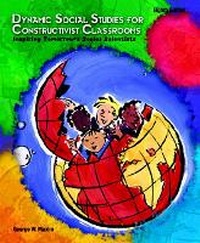
Dynamic Social Studies for Constructivist Classrooms
8th Edition
Published on 23. May 2005
Book
Paperback/Softback
480 pages
978-0-13-171270-6 (ISBN)
Description
For courses in Elementary Social Studies Methods.
This brief, manageable, dynamic text helps teachers breathe life into their social studies teaching. The text illustrates the creation of a dynamic social studies classroom with its constructivist framework, key instructional approaches and literacy-based pedagogy, text sets, activities, and classroom vignettes.
The most practical of all social studies methods texts, this edition highlights fresh and creative strategies that build key social studies understandings, skills, and values. The text is highly readable, offering a solid blend of sound theory and descriptions of exciting classroom practice. Readers will feel they are being escorted through model social studies classrooms and come away from the reading with a clear vision of the most effective and creative way to teach social studies and to motivate elementary students to become social scientists.
This brief, manageable, dynamic text helps teachers breathe life into their social studies teaching. The text illustrates the creation of a dynamic social studies classroom with its constructivist framework, key instructional approaches and literacy-based pedagogy, text sets, activities, and classroom vignettes.
The most practical of all social studies methods texts, this edition highlights fresh and creative strategies that build key social studies understandings, skills, and values. The text is highly readable, offering a solid blend of sound theory and descriptions of exciting classroom practice. Readers will feel they are being escorted through model social studies classrooms and come away from the reading with a clear vision of the most effective and creative way to teach social studies and to motivate elementary students to become social scientists.
More details
Edition
8th edition
Language
English
Place of publication
United States
Publishing group
Pearson Education (US)
Target group
Professional and scholarly
Dimensions
Height: 231 mm
Width: 10 mm
Thickness: 10 mm
Weight
703 gr
ISBN-13
978-0-13-171270-6 (9780131712706)
Copyright in bibliographic data and cover images is held by Nielsen Book Services Limited or by the publishers or by their respective licensors: all rights reserved.
Schweitzer Classification
Other editions
New editions
George W. Maxim
Dynamic Social Studies for Constructivist Classrooms
Inspiring Tomorrow's Social Scientists
Book
05/2009
9th Edition
Pearson
€104.81
Article exhausted; check for reprint
Content
PART ONE Foundations of Instruction
Chapter 1 Dynamic Social Studies: The Subject You Will Teach
What Do You Remember About Social Studies?
What is Social Studies?
Why is Social Studies Important?
What Are the Major Goals of Elementary School Social Studies Instruction?
What is Dynamic Social Studies?
Afterword
References
Chapter 2 Diversity in the Classroom: The Children You Will Teach
What is Multicultural Education?
Why is Multicultural Awareness Important?
Teaching in Culturally Diverse Settings
Afterword
References
PART TWO Classrooms for Young Social Scientists
Chapter 3 Young Historians: Coming Face to Face with the Past
What is History?
Why is History Important?
What Should Students Know or Be Able to Do?
In General, How Should History be Taught?
Chronology
Afterword
References
Chapter 4 Young Geographers: Investigating the People/Place Connection
What is Geography?
Why is Geography Important?
What Should Young Geographers Know or Be Able to Do?
In General, How Should Geography Be Taught?
Maps: The Tools of Geographers
What Is a Map?
Introductory Map Skills Experiences
Beginning Map Skills Instruction
Map Instruction in the Middle and Upper Grades
Afterword
References
Chapter 5 Young Political Scientists: Future Citizens in Action
What is Civics?
Why is Civics Important?
What Should Young Political Scientists Know or Be Able to Do?
In General, How Should Civics Be Taught?
Afterword
References
PART THREE Constructivist Approaches to Classroom Instruction
Chapter 6 The Learning Cycle: Teacher Scaffolded Social Constructivism
What is Constructivism?
What is Social Constructivism?
What Is the Teacher's Role in a Social Constructivist Classroom?
How Does the Learning Cycle Contribute to Social Constructivism?
Afterword
References
Chapter 7 Cooperative Learning: Student Assisted Social Constructivism
What is Cooperative Learning?
How Does Cooperative Learning Work?
What Are the Main Features of Cooperative Learning?
What Are the Benefits of Cooperative Learning?
Afterword
References
Chapter 8 Inquiry and Problem-Solving: Cognitive Constructivism in Action
What Is Cognitive Constructivism?
What is Problem-Centered Instruction?
How Do Teachers Facilitate Inquiry and Problem Solving?
Afterword
References
PART FOUR Planning Instructional Strategies and Activities
Chapter 9 Instructional Planning: The Basis of Successful Teaching
Why Is Planning Important?
How Are Unit Plans Constructed?
Afterword
References
Chapter 10 Key Instructional Resources: Going Beyond the Ordinary
Doing Something Real
Depictions of Reality
Integrating the Arts
Involvement in the Arts
Textbooks and Trade Books
Newspapers
Computers
Afterword
References
Author Index
Subject Index
Chapter 1 Dynamic Social Studies: The Subject You Will Teach
What Do You Remember About Social Studies?
What is Social Studies?
Why is Social Studies Important?
What Are the Major Goals of Elementary School Social Studies Instruction?
What is Dynamic Social Studies?
Afterword
References
Chapter 2 Diversity in the Classroom: The Children You Will Teach
What is Multicultural Education?
Why is Multicultural Awareness Important?
Teaching in Culturally Diverse Settings
Afterword
References
PART TWO Classrooms for Young Social Scientists
Chapter 3 Young Historians: Coming Face to Face with the Past
What is History?
Why is History Important?
What Should Students Know or Be Able to Do?
In General, How Should History be Taught?
Chronology
Afterword
References
Chapter 4 Young Geographers: Investigating the People/Place Connection
What is Geography?
Why is Geography Important?
What Should Young Geographers Know or Be Able to Do?
In General, How Should Geography Be Taught?
Maps: The Tools of Geographers
What Is a Map?
Introductory Map Skills Experiences
Beginning Map Skills Instruction
Map Instruction in the Middle and Upper Grades
Afterword
References
Chapter 5 Young Political Scientists: Future Citizens in Action
What is Civics?
Why is Civics Important?
What Should Young Political Scientists Know or Be Able to Do?
In General, How Should Civics Be Taught?
Afterword
References
PART THREE Constructivist Approaches to Classroom Instruction
Chapter 6 The Learning Cycle: Teacher Scaffolded Social Constructivism
What is Constructivism?
What is Social Constructivism?
What Is the Teacher's Role in a Social Constructivist Classroom?
How Does the Learning Cycle Contribute to Social Constructivism?
Afterword
References
Chapter 7 Cooperative Learning: Student Assisted Social Constructivism
What is Cooperative Learning?
How Does Cooperative Learning Work?
What Are the Main Features of Cooperative Learning?
What Are the Benefits of Cooperative Learning?
Afterword
References
Chapter 8 Inquiry and Problem-Solving: Cognitive Constructivism in Action
What Is Cognitive Constructivism?
What is Problem-Centered Instruction?
How Do Teachers Facilitate Inquiry and Problem Solving?
Afterword
References
PART FOUR Planning Instructional Strategies and Activities
Chapter 9 Instructional Planning: The Basis of Successful Teaching
Why Is Planning Important?
How Are Unit Plans Constructed?
Afterword
References
Chapter 10 Key Instructional Resources: Going Beyond the Ordinary
Doing Something Real
Depictions of Reality
Integrating the Arts
Involvement in the Arts
Textbooks and Trade Books
Newspapers
Computers
Afterword
References
Author Index
Subject Index