

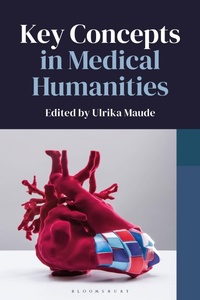
Key Concepts in Medical Humanities
Will be published approx. on 18. February 2027
Book
Hardback
272 pages
978-1-350-38078-3 (ISBN)
Description
A critical introduction to the field of Medical Humanities, this book unpacks the discipline's key concepts and methodologies for students and researchers alike in an analytical and accessible manner.
The book covers topics including:
- Health
- Illness
- Disability
- Neurodiversity
- Narrative medicine
-Graphic medicine
- Black Health Humanities
Featuring substantial chapters from experienced researchers and instructors working in the Medical Humanities, chapters are enriched with case studies and examples to aid understanding. In addition, a wealth of suggestions for further reading offers students and researchers from a variety of disciplines an introduction to, and overview of, the most important work in the field.
The book covers topics including:
- Health
- Illness
- Disability
- Neurodiversity
- Narrative medicine
-Graphic medicine
- Black Health Humanities
Featuring substantial chapters from experienced researchers and instructors working in the Medical Humanities, chapters are enriched with case studies and examples to aid understanding. In addition, a wealth of suggestions for further reading offers students and researchers from a variety of disciplines an introduction to, and overview of, the most important work in the field.
More details
Language
English
Place of publication
London
United Kingdom
Publishing group
Bloomsbury Publishing PLC
Target group
College/higher education
Illustrations
12 illus bw
Dimensions
Height: 234 mm
Width: 156 mm
Thickness: 14 mm
ISBN-13
978-1-350-38078-3 (9781350380783)
Copyright in bibliographic data and cover images is held by Nielsen Book Services Limited or by the publishers or by their respective licensors: all rights reserved.
Schweitzer Classification
Person
Ulrika Maude is Professor of Modern Literature at the University of Bristol, UK, where she also directs the Centre for Health, Humanities and Science.
Content
Introduction, Ulrika Maude, University of Bristol, UK
Part 1: Key Concepts
1. 'Illness', Jivitesh Vashist, University College Dublin, Ireland
2. 'Contagion', Andrew Blades, University of Bristol, UK
3. 'Patient', Kimberly Myers, Penn State College of Medicine, USA
4.'Feeling', Victoria Bates, University of Bristol, UK
5.'Neurodiversity', Abs Ashley, University of Bristol, UK and Robert Chapman, University of Durham, UK
6. 'Disability', Cleo Hanaway-Oakley, University of Bristol, UK
7.'Ageing', Maria Vaccarella, University of Bristol, UK
8.'Death and Dying', Havi Carel University of Bristol, UK
Part 2: Key Methodologies
9. 'Narrative Medicine', Ulrika Maude, University of Bristol, UK
10. 'Graphic Medicine', John Lee, University of Bristol, UK
11. 'Medicine and the Arts', Sofie Layton, Durham University, UK and Giovanni Biglino, Bristol Medical School, UK
12. 'Medicine in the Postcolony', Arthur Rose, University of Exeter, UK
13. 'Black Medical Humanities', Josie Gill, University of Bristol, UK and Amber Lascelles, University of London, UK
Part 1: Key Concepts
1. 'Illness', Jivitesh Vashist, University College Dublin, Ireland
2. 'Contagion', Andrew Blades, University of Bristol, UK
3. 'Patient', Kimberly Myers, Penn State College of Medicine, USA
4.'Feeling', Victoria Bates, University of Bristol, UK
5.'Neurodiversity', Abs Ashley, University of Bristol, UK and Robert Chapman, University of Durham, UK
6. 'Disability', Cleo Hanaway-Oakley, University of Bristol, UK
7.'Ageing', Maria Vaccarella, University of Bristol, UK
8.'Death and Dying', Havi Carel University of Bristol, UK
Part 2: Key Methodologies
9. 'Narrative Medicine', Ulrika Maude, University of Bristol, UK
10. 'Graphic Medicine', John Lee, University of Bristol, UK
11. 'Medicine and the Arts', Sofie Layton, Durham University, UK and Giovanni Biglino, Bristol Medical School, UK
12. 'Medicine in the Postcolony', Arthur Rose, University of Exeter, UK
13. 'Black Medical Humanities', Josie Gill, University of Bristol, UK and Amber Lascelles, University of London, UK