

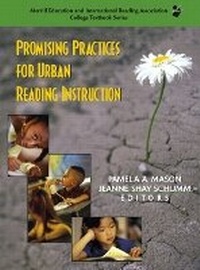
Promising Practices for Urban Reading Instruction
Published on 18. January 2005
Book
Paperback/Softback
576 pages
978-0-13-153683-8 (ISBN)
Description
For courses in Urban Literacy and Reading.
As the reading profession faces the challenge of high-stakes testing and standards-based curricula, it is essential that administrators, teachers, and teacher educators who plan and implement reading programs in urban settings have a professional development resource that speaks directly to urban education and diversity. This collection is that resource, showing what works-or what has the promise of working-in urban settings.
As the reading profession faces the challenge of high-stakes testing and standards-based curricula, it is essential that administrators, teachers, and teacher educators who plan and implement reading programs in urban settings have a professional development resource that speaks directly to urban education and diversity. This collection is that resource, showing what works-or what has the promise of working-in urban settings.
More details
Language
English
Place of publication
United States
Publishing group
Pearson Education (US)
Target group
Professional and scholarly
Dimensions
Height: 235 mm
Width: 178 mm
Weight
848 gr
ISBN-13
978-0-13-153683-8 (9780131536838)
Copyright in bibliographic data and cover images is held by Nielsen Book Services Limited or by the publishers or by their respective licensors: all rights reserved.
Schweitzer Classification
Persons
Pamela A. Mason is Elementary Principal at Tucker School, Milton Public Schools, Milton, Massachusetts, USA.
Jeanne Shay Schumm is Professor and Chair in the Department of Teaching and Learning at the University of Miami, Coral Gables, Florida, USA.
Jeanne Shay Schumm is Professor and Chair in the Department of Teaching and Learning at the University of Miami, Coral Gables, Florida, USA.
Content
I. CHILDREN HAVE A RIGHT TO APPROPRIATE EARLY READINGINSTRUCTION BASED ON THEIR INDIVIDUAL NEEDS.
1. Good ReadingInstruction is More Important Than Who Provides the Instruction or Where it Takes Place.
2. Talking the Walk: Children Reading Urban Environmental Print.
3. Early Literacy for Inner-City Children: The Effects of Reading and Writing Interventions in English and Spanish During the Preschool years.
II. CHILDREN HAVE A RIGHT TO READING INSTRUCTION THAT BUILDS BOTH THE SKILL AND THE DESIRE TO READ INCREASINGLY COMPLEX MATERIALS.
4. A Comparison of Inner-City Children's Interpretations of Reading and Writing Instruction in the Early Grades in Skills-Based and Whole Language Classrooms.
5. Breaking Down Barriers That Disenfranchise African-American Adolescent Readers in Low-Level Tracks.
III. CHILDREN HAVE A RIGHT TO WELL-PREPARED TEACHERS WHO KEEP THEIR SKILLS UP TO DATE THROUGH EFFECTIVE PROFESSIONAL DEVELOPMENT.
6. Cultural Attitudes Toward Reading: Implications for Teachers of ESL/Bilingual Readers.
7. Know Thyself and Understand Others.
IV. CHILDREN HAVE A RIGHT TO ACCESS A WIDE VARIETY OF BOOKS AND OTHER READINGMATERIAL IN CLASSROOM, SCHOOL, AND COMMUNITY LIBRARIES.
8. 3.6 Minutes Per Day: The Scarcity of Informational Texts in First Grade.
9. African-American Children's Literature That Helps Students Find Themselves: Selection Guidelines for Grades K-3.
V. CHILDREN HAVE A RIGHT TO READING ASSESSMENT THAT IDENTIFIES THEIR STRENGTHS AS WELL AS THEIR NEEDS AND INVOLVES THEM IN MAKING DECISIONS ABOUT THEIR OWN LEARNING.
10. The Evils of the Use of IQ Tests to Define Learning Disabilities in First and Second-Language Learners.
11. Three Paradigms of Assessment: Measurement, Procedure, and Inquiry.
VI. CHILDREN WHO ARE STRUGGLING WITH READINGHAVE A RIGHT TO RECEIVE INTENSIVE INSTRUCTION FROM PROFESSIONALS SPECIFICALLY PREPARED TO TEACH READING.
12. The Role of the ReadingSpecialist: A Review of Research.
13. Finding the Keys to Educational Progress in Urban Youth: Three Case Studies.
VII. CHILDREN HAVE A RIGHT TO READING INSTRUCTION THAT INVOLVES PARENTS AND COMMUNITIES IN THEIR ACADEMIC LIVES.
14. Making Kids Winners: New Perspectives About Literacy From Urban Elementary School Principals.
15. Stopping the Silence: Hearing Parents' Voices in an Urban First-Grade Family Literacy Program.
VIII. CHILDREN HAVE A RIGHT TO READING INSTRUCTION THAT MAKES MEANINGFUL USE OF THEIR FIRST LANGUAGE SKILLS.
16. Readingas Situated Language: A Sociocognitive Perspective.
17. Voices of the Teenage Diasporas.
18. Positioning in a Middle School Culture: Gender, Race, Social Class, and Power.
IX. CHILDREN HAVE THE RIGHT TO EQUAL ACCESS TO THE TECHNOLOGY USED FOR THE IMPROVEMENT OF READINGINSTRUCTION.
19. The Effects of Concurrent Classroom and Home Instructional Video-Game Use on Student Achievement: A Preliminary Study.
20. Internet Workshop: Making Time for Literacy.
21. The Miss Rumphius Effect: Envisionments for Literacy and Learning That Transform the Internet.
X. CHILDREN HAVE A RIGHT TO CLASSROOMS THAT OPTIMIZE LEARNING OPPORTUNITIES.
22. "If You Can Pass Momma's Tests, Then She Knows You're Getting Your Education": A Case Study of Support for Literacy Learning Within an African-American Family.
23. Family and Community Involvement: The Bedrock of Reading Success.
24. Reaching Out to a Diversity of Learners: Innovative Educators Need Substantial Support.
Afterword.
Appendix A: The International Reading Association's Commitment to Urban Education.
Appendix B: Annotated Bibliography of IRA Resources Related to Urban Literacy.
Appendix C: Selected Urban Education Websites.
1. Good ReadingInstruction is More Important Than Who Provides the Instruction or Where it Takes Place.
2. Talking the Walk: Children Reading Urban Environmental Print.
3. Early Literacy for Inner-City Children: The Effects of Reading and Writing Interventions in English and Spanish During the Preschool years.
II. CHILDREN HAVE A RIGHT TO READING INSTRUCTION THAT BUILDS BOTH THE SKILL AND THE DESIRE TO READ INCREASINGLY COMPLEX MATERIALS.
4. A Comparison of Inner-City Children's Interpretations of Reading and Writing Instruction in the Early Grades in Skills-Based and Whole Language Classrooms.
5. Breaking Down Barriers That Disenfranchise African-American Adolescent Readers in Low-Level Tracks.
III. CHILDREN HAVE A RIGHT TO WELL-PREPARED TEACHERS WHO KEEP THEIR SKILLS UP TO DATE THROUGH EFFECTIVE PROFESSIONAL DEVELOPMENT.
6. Cultural Attitudes Toward Reading: Implications for Teachers of ESL/Bilingual Readers.
7. Know Thyself and Understand Others.
IV. CHILDREN HAVE A RIGHT TO ACCESS A WIDE VARIETY OF BOOKS AND OTHER READINGMATERIAL IN CLASSROOM, SCHOOL, AND COMMUNITY LIBRARIES.
8. 3.6 Minutes Per Day: The Scarcity of Informational Texts in First Grade.
9. African-American Children's Literature That Helps Students Find Themselves: Selection Guidelines for Grades K-3.
V. CHILDREN HAVE A RIGHT TO READING ASSESSMENT THAT IDENTIFIES THEIR STRENGTHS AS WELL AS THEIR NEEDS AND INVOLVES THEM IN MAKING DECISIONS ABOUT THEIR OWN LEARNING.
10. The Evils of the Use of IQ Tests to Define Learning Disabilities in First and Second-Language Learners.
11. Three Paradigms of Assessment: Measurement, Procedure, and Inquiry.
VI. CHILDREN WHO ARE STRUGGLING WITH READINGHAVE A RIGHT TO RECEIVE INTENSIVE INSTRUCTION FROM PROFESSIONALS SPECIFICALLY PREPARED TO TEACH READING.
12. The Role of the ReadingSpecialist: A Review of Research.
13. Finding the Keys to Educational Progress in Urban Youth: Three Case Studies.
VII. CHILDREN HAVE A RIGHT TO READING INSTRUCTION THAT INVOLVES PARENTS AND COMMUNITIES IN THEIR ACADEMIC LIVES.
14. Making Kids Winners: New Perspectives About Literacy From Urban Elementary School Principals.
15. Stopping the Silence: Hearing Parents' Voices in an Urban First-Grade Family Literacy Program.
VIII. CHILDREN HAVE A RIGHT TO READING INSTRUCTION THAT MAKES MEANINGFUL USE OF THEIR FIRST LANGUAGE SKILLS.
16. Readingas Situated Language: A Sociocognitive Perspective.
17. Voices of the Teenage Diasporas.
18. Positioning in a Middle School Culture: Gender, Race, Social Class, and Power.
IX. CHILDREN HAVE THE RIGHT TO EQUAL ACCESS TO THE TECHNOLOGY USED FOR THE IMPROVEMENT OF READINGINSTRUCTION.
19. The Effects of Concurrent Classroom and Home Instructional Video-Game Use on Student Achievement: A Preliminary Study.
20. Internet Workshop: Making Time for Literacy.
21. The Miss Rumphius Effect: Envisionments for Literacy and Learning That Transform the Internet.
X. CHILDREN HAVE A RIGHT TO CLASSROOMS THAT OPTIMIZE LEARNING OPPORTUNITIES.
22. "If You Can Pass Momma's Tests, Then She Knows You're Getting Your Education": A Case Study of Support for Literacy Learning Within an African-American Family.
23. Family and Community Involvement: The Bedrock of Reading Success.
24. Reaching Out to a Diversity of Learners: Innovative Educators Need Substantial Support.
Afterword.
Appendix A: The International Reading Association's Commitment to Urban Education.
Appendix B: Annotated Bibliography of IRA Resources Related to Urban Literacy.
Appendix C: Selected Urban Education Websites.