


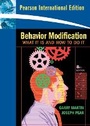
Behavior Modification
What It Is and How to Do It: International Edition
7th Edition
Published on 14. June 2002
Book
Paperback/Softback
470 pages
978-0-13-122909-9 (ISBN)
Description
For courses in Behavior Modification, Applied Behavior Analysis, Behavior Therapy, The Psychology of Learning.
Written in a reader-friendly style that assumes no prior knowledge of behavior modification or psychology, this best-selling text provides a comprehensive, practical presentation of both the elementary principles of behavior modification and step-by-step "how-to" guidelines for their application. Students not only develop a fundamental grasp of basic principles, but learn how to apply them effectively to their everyday concerns-from helping children learn life's necessary skills to solving some of their own personal behavior problems.
Written in a reader-friendly style that assumes no prior knowledge of behavior modification or psychology, this best-selling text provides a comprehensive, practical presentation of both the elementary principles of behavior modification and step-by-step "how-to" guidelines for their application. Students not only develop a fundamental grasp of basic principles, but learn how to apply them effectively to their everyday concerns-from helping children learn life's necessary skills to solving some of their own personal behavior problems.
More details
Edition
7th edition
Language
English
Place of publication
United States
Publishing group
Pearson Education (US)
Target group
Professional and scholarly
Dimensions
Height: 233 mm
Width: 177 mm
Thickness: 18 mm
Weight
688 gr
ISBN-13
978-0-13-122909-9 (9780131229099)
Copyright in bibliographic data and cover images is held by Nielsen Book Services Limited or by the publishers or by their respective licensors: all rights reserved.
Schweitzer Classification
Other editions
New editions
Garry L. Martin | Joseph Pear
Behavior Modification
What It Is And How To Do It: International Edition
Book
09/2008
8th Edition
Pearson
€59.41
Article exhausted; check for reprint
Content
I. THE BEHAVIOR MODIFICATION APPROACH.
1. Introduction.
2. Areas of Application: An Overview.
II. BASIC BEHAVIORAL PRINCIPLES AND PROCEDURES.
3. Getting a Behavior to Occur More Often with Positive Reinforcement.
4. Developing and Maintaining Behavior with Conditioned Reinforcement.
5. Decreasing a Behavior with Extinction.
6. Developing Behavioral Persistence Through the Use of Intermittent Reinforcement.
7. Types of Intermittent Reinforcement to Decrease Behavior.
8. Doing the Right Thing at the Right Time and Place: Stimulus Discrimination and Stimulus Generalization.
9. Developing Appropriate Behavior with Fading.
10. Getting a New Behavior to Occur: An Application of Shaping.
11. Getting a New Sequence of Behaviors to Occur with Behavioral Chaining.
12. Eliminating Inappropriate Behavior through Punishment.
13. Establishing a Desirable Behavior by Using Escape and Avoidance Conditioning.
14. Procedures Based on Principles of Respondent Conditioning.
15. Respondent and Operant Conditioning Together.
16. Transferring Behavior to New Settings and Making It Last: Generality of Behavior Change.
III. SOME PRELIMINARY CONSIDERATIONS TO EFFECTIVE PROGRAMMING STRATEGIES.
17. Capitalizing on Existing Stimulus Control: Rules and Goals.
18. Capitalizing on Existing Stimulus Control: Modeling, Guidance, and Situational Inducement.
IV. DEALING WITH DATA.
19. Behavioral Assessment: Initial Considerations.
20. Direct Behavioral Assessment: What to Record and How.
21. Functional Assessment of the Causes of Problem Behavior.
22. Doing Research in Behavior Modification.
V. PUTTING IT ALL TOGETHER.
23. Planning, Applying, and Evaluating a Treatment Program.
24. Token Economies.
25. Helping an Individual to Develop Self-control.
26. Systematic Self-desensitization.
27. Cognitive Behavior Modification.
28. Areas of Clinical Behavior Therapy.
VI. A HISTORICAL PERSPECTIVE AND ETHICAL ISSUES.
29. Giving It All Some Perspective: A Brief History.
30. Ethical Issues.
Glossary.
References.
Author Index.
Subject Index.
1. Introduction.
2. Areas of Application: An Overview.
II. BASIC BEHAVIORAL PRINCIPLES AND PROCEDURES.
3. Getting a Behavior to Occur More Often with Positive Reinforcement.
4. Developing and Maintaining Behavior with Conditioned Reinforcement.
5. Decreasing a Behavior with Extinction.
6. Developing Behavioral Persistence Through the Use of Intermittent Reinforcement.
7. Types of Intermittent Reinforcement to Decrease Behavior.
8. Doing the Right Thing at the Right Time and Place: Stimulus Discrimination and Stimulus Generalization.
9. Developing Appropriate Behavior with Fading.
10. Getting a New Behavior to Occur: An Application of Shaping.
11. Getting a New Sequence of Behaviors to Occur with Behavioral Chaining.
12. Eliminating Inappropriate Behavior through Punishment.
13. Establishing a Desirable Behavior by Using Escape and Avoidance Conditioning.
14. Procedures Based on Principles of Respondent Conditioning.
15. Respondent and Operant Conditioning Together.
16. Transferring Behavior to New Settings and Making It Last: Generality of Behavior Change.
III. SOME PRELIMINARY CONSIDERATIONS TO EFFECTIVE PROGRAMMING STRATEGIES.
17. Capitalizing on Existing Stimulus Control: Rules and Goals.
18. Capitalizing on Existing Stimulus Control: Modeling, Guidance, and Situational Inducement.
IV. DEALING WITH DATA.
19. Behavioral Assessment: Initial Considerations.
20. Direct Behavioral Assessment: What to Record and How.
21. Functional Assessment of the Causes of Problem Behavior.
22. Doing Research in Behavior Modification.
V. PUTTING IT ALL TOGETHER.
23. Planning, Applying, and Evaluating a Treatment Program.
24. Token Economies.
25. Helping an Individual to Develop Self-control.
26. Systematic Self-desensitization.
27. Cognitive Behavior Modification.
28. Areas of Clinical Behavior Therapy.
VI. A HISTORICAL PERSPECTIVE AND ETHICAL ISSUES.
29. Giving It All Some Perspective: A Brief History.
30. Ethical Issues.
Glossary.
References.
Author Index.
Subject Index.