

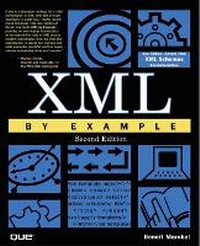
XML by Example
2nd Edition
Published on 26. September 2001
Book
Paperback/Softback
512 pages
978-0-7897-2504-2 (ISBN)
Description
XML by Example, 2nd edition has been revised and updated to include the newest standards, more robust examples, and better tools for developers to make the most of XML as they learn it. Building off readers? knowledge of HTML, JavaScript and web development, this book teaches XML using practical, real-world examples every step of the way. The book starts with a broad overview of the technologies and standards that make up XML. Following chapters teach each of these topics in depth, including new coverage of: more robust tools for parsing and manipulating XML, modeling with XML Schemas, managing extensibility with Namespaces, the latest version of XSL transformations (XSLT), applying style with XSL Formatting Objects and Cascading Style Sheets, object models including SAX 2 and DOM 2, and working with existing XML models: XHTML, WML and RSS. The final chapters design and build an XML-enabled e-Commerce application, putting together the concepts mastered earlier in the book.
More details
Edition
2nd edition
Language
English
Place of publication
United States
Publishing group
Pearson Education (US)
Target group
College/higher education
Dimensions
Height: 232 mm
Width: 170 mm
Thickness: 25 mm
Weight
770 gr
ISBN-13
978-0-7897-2504-2 (9780789725042)
Copyright in bibliographic data and cover images is held by Nielsen Book Services Limited or by the publishers or by their respective licensors: all rights reserved.
Schweitzer Classification
Other editions
Previous edition
Benoit Marchal
XML by Example
Book
12/1999
Que Corporation,U.S.
€42.27
Article exhausted; check for reprint
Person
Benoit Marchal is a writer and consultant based in Namur, Belgium. His company, Pineapplesoft, specializes in e-commerce with XML and Java. In 1997, he co-founded the XML/EDI Group, a think tank that promotes the use of XML in e-commerce applications.
He is the author of Applied XML Solutions (Sams), and a columnist for Gamelan and IBM developerWorks. You can reach him through his Web site at http://www.marchal.com or via e-mail at bmarchal@Pineapplesoft.com.
He is the author of Applied XML Solutions (Sams), and a columnist for Gamelan and IBM developerWorks. You can reach him through his Web site at http://www.marchal.com or via e-mail at bmarchal@Pineapplesoft.com.
Content
Introduction.
The by Example Series. Who Should Use This Book. This Book's Organization. Conventions Used in This Book.
1. The XML Galaxy.
Introduction. Where This Book Fits. A First Look at XML. A First Look on Document Structure. Markup Language History. Application of XML. Companion Standards. XML Software.
2. XML Syntax.
A First Look at the XML Syntax. Advanced Topics. Frequently Asked Questions About XML. Four Common Errors. Two Applications of XML. XML Editors.
3. XML Namespaces.
The Problem Namespaces Solves. Namespaces. URIs. Scoping. Digital Signature: An Example of Namespaces.
4. XML Models.
DTDs and XML Schemas. The DTD Syntax. Relationship Between the DTD and the Document. Advanced DTD Concepts. The Schema Syntax. Namespaces and Other Advanced Schema Concepts. Modeling XML Documents. Modeling Documents from an Object Model. Modeling from Scratch. A Tool to Help.
5. XSL Transformations.
Why Styling? XSL. Basic XSLT. Supporting Different Markup Languages. When and Where to Use Style Sheets. Advanced XSLT.
6. XSL Formatting Objects and Cascading Style Sheets.
Rendering XML Without HTML. The Basics of CSS and FO. Simple CSS. Simple FO. Flow Objects and Areas. Property Values. Box Properties. Text and Font Properties. Some Advanced Features. When Should You Use Which.
7. The Parser and DOM.
What Is a Parser? The Parser and the Application. Document Object Model. Getting Started with DOM. Managing the State. Common Errors and How to Solve Them. DOM and Java. DOM in Applications.
8. Alternative API: SAX.
Why Another API? SAX: The Power API. Commonly Used SAX Interfaces and Classes. Maintaining the State. Flexibility.
9. Writing XML.
The Parser Mirror. Modifying a Document with DOM. Exploring Netscape Support for DOM. DOM Methods to Create and Modify Documents. Creating a New Document with DOM. Using DOM to Create Documents. Creating Documents Without DOM. Doing Something with the XML Documents. Writing with Flexibility in Mind.
10. Important XML Models.
Structured and Extensible. XLink. XHTML. e-Commerce, XML/EDI, and ebXML. The Right Level of Abstraction. Attributes Versus Elements.
11. N-Tiered Architecture and XML.
What Is an N-Tiered Application? The XCommerce Application. How XML Helps. Programming SOAP. XCommerce Architecture. Server-Side Programming Language.
12. Putting It All Together: An e-Commerce Example.
Building XCommerce. First Tier: The Database. Second Tier: The SOAP Service. Third Tier: The Presentation Servlet. Utility Class: Comparing Strings.
Appendix A. Crash Course on Java.
Java in Perspective. Downloading Java Tools. Your First Java Application. Servlets. Your First Servlet. More Java Language Concepts.
Appendix B. DTD and XML Schema Simple Types.
Simple Types Supported by DTD. Simple Types Supported by XML Schema.
Index.
The by Example Series. Who Should Use This Book. This Book's Organization. Conventions Used in This Book.
1. The XML Galaxy.
Introduction. Where This Book Fits. A First Look at XML. A First Look on Document Structure. Markup Language History. Application of XML. Companion Standards. XML Software.
2. XML Syntax.
A First Look at the XML Syntax. Advanced Topics. Frequently Asked Questions About XML. Four Common Errors. Two Applications of XML. XML Editors.
3. XML Namespaces.
The Problem Namespaces Solves. Namespaces. URIs. Scoping. Digital Signature: An Example of Namespaces.
4. XML Models.
DTDs and XML Schemas. The DTD Syntax. Relationship Between the DTD and the Document. Advanced DTD Concepts. The Schema Syntax. Namespaces and Other Advanced Schema Concepts. Modeling XML Documents. Modeling Documents from an Object Model. Modeling from Scratch. A Tool to Help.
5. XSL Transformations.
Why Styling? XSL. Basic XSLT. Supporting Different Markup Languages. When and Where to Use Style Sheets. Advanced XSLT.
6. XSL Formatting Objects and Cascading Style Sheets.
Rendering XML Without HTML. The Basics of CSS and FO. Simple CSS. Simple FO. Flow Objects and Areas. Property Values. Box Properties. Text and Font Properties. Some Advanced Features. When Should You Use Which.
7. The Parser and DOM.
What Is a Parser? The Parser and the Application. Document Object Model. Getting Started with DOM. Managing the State. Common Errors and How to Solve Them. DOM and Java. DOM in Applications.
8. Alternative API: SAX.
Why Another API? SAX: The Power API. Commonly Used SAX Interfaces and Classes. Maintaining the State. Flexibility.
9. Writing XML.
The Parser Mirror. Modifying a Document with DOM. Exploring Netscape Support for DOM. DOM Methods to Create and Modify Documents. Creating a New Document with DOM. Using DOM to Create Documents. Creating Documents Without DOM. Doing Something with the XML Documents. Writing with Flexibility in Mind.
10. Important XML Models.
Structured and Extensible. XLink. XHTML. e-Commerce, XML/EDI, and ebXML. The Right Level of Abstraction. Attributes Versus Elements.
11. N-Tiered Architecture and XML.
What Is an N-Tiered Application? The XCommerce Application. How XML Helps. Programming SOAP. XCommerce Architecture. Server-Side Programming Language.
12. Putting It All Together: An e-Commerce Example.
Building XCommerce. First Tier: The Database. Second Tier: The SOAP Service. Third Tier: The Presentation Servlet. Utility Class: Comparing Strings.
Appendix A. Crash Course on Java.
Java in Perspective. Downloading Java Tools. Your First Java Application. Servlets. Your First Servlet. More Java Language Concepts.
Appendix B. DTD and XML Schema Simple Types.
Simple Types Supported by DTD. Simple Types Supported by XML Schema.
Index.