

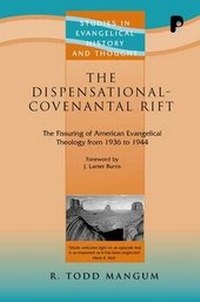
The Dispensational-Covenantal Rift
The Fissuring of American Evangelical Theology from 1936-1944
Published on 1. March 2007
Book
Paperback/Softback
319 pages
978-1-84227-365-4 (ISBN)
Description
This groundbreaking study explores how the fight between dispensationalists and covenant theologians got started and how a unique dynamic of personalities and sociological factors enflamed it. Readers may be surprised to discover that even the terminology of dispensationalists and covenant theologians originated in the 1930s disputes; that the vast majority of the original protagonists on both sides were Presbyterians; and that soteriology, rather than eschatology, was the original bone of contention between them.
This study examines how two respective strands of fundamentalism came to identify one another as theological rivals, as they each vied for position in their recently formed separatist bodies. The significance of disagreements over dispensationalism is explored in the founding of the Orthodox Presbyterian and Bible Presbyterian churches. And then, as the debate traveled southward, the response of the PCUS is examined, with special attention given to the consummative report of an ad hoc committee that found dispensationalism to be out of harmony with the Westminster doctrinal standards.
Significant misunderstandings that impeded fruitful dialogue from the beginning are clarified, particularly those that have persisted most stubbornly to the present day. Perhaps most surprising of all, the reader will discover that nearly all of the original points of debate between dispensationalists and covenant theologians have since been resolved, as each side has honed its position in light of pertinent critiques. Why has this development gone almost unnoticed?
This study suggests an answer, and proposes that understanding how the feud began may hold the key to rapprochement today.
This study examines how two respective strands of fundamentalism came to identify one another as theological rivals, as they each vied for position in their recently formed separatist bodies. The significance of disagreements over dispensationalism is explored in the founding of the Orthodox Presbyterian and Bible Presbyterian churches. And then, as the debate traveled southward, the response of the PCUS is examined, with special attention given to the consummative report of an ad hoc committee that found dispensationalism to be out of harmony with the Westminster doctrinal standards.
Significant misunderstandings that impeded fruitful dialogue from the beginning are clarified, particularly those that have persisted most stubbornly to the present day. Perhaps most surprising of all, the reader will discover that nearly all of the original points of debate between dispensationalists and covenant theologians have since been resolved, as each side has honed its position in light of pertinent critiques. Why has this development gone almost unnoticed?
This study suggests an answer, and proposes that understanding how the feud began may hold the key to rapprochement today.
More details
Series
Language
English
Place of publication
Cumbria
United Kingdom
Publishing group
Send The Light
Dimensions
Height: 229 mm
Width: 159 mm
Thickness: 19 mm
Weight
495 gr
ISBN-13
978-1-84227-365-4 (9781842273654)
Copyright in bibliographic data and cover images is held by Nielsen Book Services Limited or by the publishers or by their respective licensors: all rights reserved.
Schweitzer Classification
Person
Todd Mangum is Associate Professor of Theology and Dean of the Faculty at Biblical Theological Seminary in Hatfield, PA. He received the John F. Walvoord Award for Outstanding Work in Eschatology from Dallas Theological Seminary where he earned his Ph.D. in Theological Studies in 2001. Dr. Mangum's book, The Dispensational-Covenantal Rift is widely acclaimed as providing a definitive history on the debate between dispensationalists and covenant theologians. He has also written numerous articles seeking to repair breaches among various segments of Bible-believing Christianity, and advancing a g