

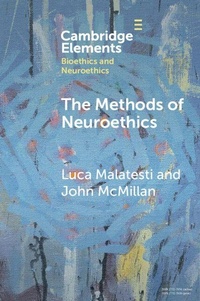
The Methods of Neuroethics
Published on 8. February 2024
Book
Paperback/Softback
78 pages
978-1-009-07490-2 (ISBN)
Description
This Element offers a framework for exploring the methodological challenges of neuroethics. The aim is to provide a roadmap for the methodological assumptions, and related pitfalls, involved in the interdisciplinary investigation of the ethical and legal implications of neuroscientific research and technology. It illustrates these points via the debate about the ethical and legal responsibility of psychopaths. Argument and the conceptual analysis of normative concepts such as 'personhood' or 'human agency' is central to neuroethics. This Element discusses different approaches to establishing norms and principles that regulate the practices addressed by neuroethics and that involve the use of such concepts. How to characterize the psychological features central to neuroethics, such as autonomy, consent, moral understanding, moral motivation, and control is a methodological challenge. In addition, there are epistemic challenges when determining the validity of neuroscientific evidence.
More details
Series
Language
English
Place of publication
Cambridge
United Kingdom
Product notice
Paperback (trade)
Illustrations
Worked examples or Exercises
Dimensions
Height: 229 mm
Width: 152 mm
Thickness: 4 mm
Weight
118 gr
ISBN-13
978-1-009-07490-2 (9781009074902)
Copyright in bibliographic data and cover images is held by Nielsen Book Services Limited or by the publishers or by their respective licensors: all rights reserved.
Schweitzer Classification
Other editions
Additional editions
Luca Malatesti | John McMillan
The Methods of Neuroethics
Book
02/2024
Cambridge University Press
€78.00
Shipment within 15-20 days
Luca Malatesti | John McMillan
The Methods of Neuroethics
E-Book
01/2024
Cambridge University Press
€20.99
Available for download
Persons
Content
1. Introduction; 2. A framework for the methods of neuroethics; 3. Methodological issues within the ethical domain; 4. Conceptual issues when bridging domains; 5. Epistemic issues when bridging domains; 6. Conclusion; References.