

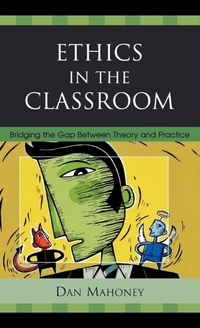
Ethics in the Classroom
Bridging the Gap Between Theory and Practice
Published on 8. February 2008
Book
Hardback
176 pages
978-1-57886-767-7 (ISBN)
Description
What happens when teachers face difficult options? Examining ourselves_why we do what we do_is the very essence of human psychology and of ethics. The purpose of this book is not to illustrate the difference between right and wrong, but to show how educators might choose among ethical approaches to decision-making as they face the difficult choices they make every day. However, to be just and ethical, we need to know something about the demands of justice and how they apply in our own circumstances. What is fair? What is just? How do we decide? These are the central concerns of this book. Outstanding features of this book include the theory-based ethics and case studies of real and significant issues that teachers face in P-12 classrooms.
More details
Language
English
Place of publication
United States
Publishing group
Bloomsbury Publishing Plc
Dimensions
Height: 222 mm
Width: 145 mm
Thickness: 13 mm
Weight
360 gr
ISBN-13
978-1-57886-767-7 (9781578867677)
Copyright in bibliographic data and cover images is held by Nielsen Book Services Limited or by the publishers or by their respective licensors: all rights reserved.
Schweitzer Classification
Person
Dan Mahoney teaches courses in ethics, educational evaluation, and curricular design in the Department of Educational Leadership and Administration at Gonzaga University in Spokane, Washington.
Content
Chapter 1 Introduction: Goals of the Text and Sample Learning Activities
Chapter 2 Due Process of the Law
Chapter 3 Utility and Agreeableness
Chapter 4 The Categorical Imperative
Chapter 5 The Greatest Good for the Greatest Number
Chapter 6 The Heroic Ideal and Self-Interest
Chapter 7 Absolute Truth and Nonviolence
Chapter 8 Respect for Persons
Chapter 9 A Family Systems Approach
Chapter 10 A Story About Confidentiality
Chapter 11 Professional Ethics, Moral Values, and Confidentiality
Chapter 12 Confidences Betrayed: The Pain Flows in and out in Waves
Chapter 13 Inappropriate Relationships
Chapter 14 Blind Adherence to School Policies and CPS?
Chapter 15 Native Status, Politics, and the Hiring Process
Chapter 16 Being Used or Being of Service
Chapter 17 Bullies and Conflict with the School Principal
Chapter 18 An Emotionally, Intellectually, and Spiritually Punishing Year
Chapter 19 An Exercise in Common Sense
Chapter 20 Ducking and Weaving Through a Course in Human Sexuality
Chapter 21 Mama Bear Ethics
Chapter 22 Dealing with Backbiting
Chapter 23 An Ethical Use of Sick Days?
Chapter 24 Who Cares if We Don't Teach Science?
Chapter 25 Annie's Analysis of Her Professional Ethics
Chapter 26 Welcome to the Journey
Chapter 2 Due Process of the Law
Chapter 3 Utility and Agreeableness
Chapter 4 The Categorical Imperative
Chapter 5 The Greatest Good for the Greatest Number
Chapter 6 The Heroic Ideal and Self-Interest
Chapter 7 Absolute Truth and Nonviolence
Chapter 8 Respect for Persons
Chapter 9 A Family Systems Approach
Chapter 10 A Story About Confidentiality
Chapter 11 Professional Ethics, Moral Values, and Confidentiality
Chapter 12 Confidences Betrayed: The Pain Flows in and out in Waves
Chapter 13 Inappropriate Relationships
Chapter 14 Blind Adherence to School Policies and CPS?
Chapter 15 Native Status, Politics, and the Hiring Process
Chapter 16 Being Used or Being of Service
Chapter 17 Bullies and Conflict with the School Principal
Chapter 18 An Emotionally, Intellectually, and Spiritually Punishing Year
Chapter 19 An Exercise in Common Sense
Chapter 20 Ducking and Weaving Through a Course in Human Sexuality
Chapter 21 Mama Bear Ethics
Chapter 22 Dealing with Backbiting
Chapter 23 An Ethical Use of Sick Days?
Chapter 24 Who Cares if We Don't Teach Science?
Chapter 25 Annie's Analysis of Her Professional Ethics
Chapter 26 Welcome to the Journey