


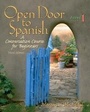
Open Door to Spanish
A Conversation Course for Beginners, Book 1
2nd Edition
Published on 23. March 1995
Book
Paperback/Softback
256 pages
978-0-13-181520-9 (ISBN)
Description
For conversation courses taught at community colleges and in adult education and vocational programs.
Margarita Madrigal's books have been used by thousands of students around the world. Former successful students applaud the Madrigal Method: its simplicity, its copious use of cognates, and its humor. The conversations, explanations, exercises, activities, and tapes in Open Door to Spanish teach students to recognize the large number of words and expressions that are alike in English and in Spanish (cognates), strategies and rules for converting English words to Spanish, hints for identifying large numbers of new words in Spanish, formulas to help students use Spanish verbs to describe events in the past, present, and future.
Margarita Madrigal's books have been used by thousands of students around the world. Former successful students applaud the Madrigal Method: its simplicity, its copious use of cognates, and its humor. The conversations, explanations, exercises, activities, and tapes in Open Door to Spanish teach students to recognize the large number of words and expressions that are alike in English and in Spanish (cognates), strategies and rules for converting English words to Spanish, hints for identifying large numbers of new words in Spanish, formulas to help students use Spanish verbs to describe events in the past, present, and future.
More details
Edition
2nd edition
Language
English
Place of publication
United States
Publishing group
Pearson Education (US)
Target group
Professional and scholarly
Dimensions
Height: 236 mm
Width: 185 mm
Thickness: 26 mm
Weight
529 gr
ISBN-13
978-0-13-181520-9 (9780131815209)
Copyright in bibliographic data is held by Nielsen Book Services Limited or its licensors: all rights reserved.
Schweitzer Classification
Other editions
New editions
Book
04/2004
3rd Edition
Pearson
€120.89
Shipment within 15-20 days
Content
LESSON 1
Similar Words in English and Spanish (Cognates). Sentence Formation. -or-words in Spanish and English. Ordering Food in a Restaurant.
LESSON 2
Negatives. Definite and Indefinite Articles (Masculine). -al-words in Spanish and English. Ordering Food in a Restaurant. Del.
LESSON 3
Feminine Words. Definite and Indefinite Articles (Feminine). The Familiar Form Tu. -ente and -ante Words in Spanish. Greeting a Friend.
LESSON 4
Noun and Adjective Agreement (Number and Gender). Colors. Nationalities. Gender of Nouns. -ico-words in Spanish. Asking Country of Origin.
LESSON 5
The Present Tense of -ar Verbs, Singular Forms. Forming Questions. Changing -ous words into Spanish.
LESSON 6
Negating Sentences. How to Use the Singular Present Tense of -ar-Verbs. -ble words in Spanish. Questions with donde. Talking about Where People Work.
LESSON 7
The Present Tense of Regular -ar verbs (Singular and Plural Forms). Meanings of the Usted Form in the Present Tense. Uses of nada. Using the Telephone. More -ar Verbs in Spanish.
LESSON 8
The Verb estar (to be). Asking and Telling Where People or Things Are Located.
LESSON 9
The Verb Ir (to go). al. Days of the Week. ?Donde? and ?Adonde? Asking and Telling Destinations.
LESSON 10
Expressing the Future with Ir + a + infinitive. Clothing. Planning and Talking about Purchases.
LESSON 11
Expressing the Future with Ir + a + infinitive (Continued). -er and -ir Infinitives. Using estar to Express Temporary Conditions. Telling Time.
LESSON 12
The Present Tense of -er and ir Verbs, Singular Forms. estar to Express Temporary Conditions (Continued). Salir in the Present Tense.
LESSON 13
The Present Tense of All Regular -er and -ir Verbs. Talking about Stores and the Merchandise They Sell.
LESSON 14
The Verbs Tener, Venir, creer, and querer. Expressing Likes with gustar. Making Introductions.
LESSON 15
The Present Tense of tocar, cantar, tomar, and jugar. Forming Adverbs with -mente. Numbers 13 - 1,000 and 1,000 - 1,000,000. More on Telling Time.
LESSON 16
Talking about Mexico.
LESSON 17
The Past Tense of the Verb ir. The Months of the Year. Traveling by Airplane.
LESSON 18
The Past Tense (Preterite) of -ar Verbs, Singular Forms. The Personal a. llevar and tomar. Talking about Weekend Activities.
LESSON 19
The Past Tense (Preterite) of All Regular -ar Verbs. jugar, estar, tener, and andar in the Preterite. The Seasons of the Year. Talking about Vacations.
LESSON 20
The Past Tense (Preterite) or All regular -er and -ir Verbs. The Past Tense (Preterite) of leer. Describing Symptoms and Illnesses. Using Direct Object Pronouns.
Similar Words in English and Spanish (Cognates). Sentence Formation. -or-words in Spanish and English. Ordering Food in a Restaurant.
LESSON 2
Negatives. Definite and Indefinite Articles (Masculine). -al-words in Spanish and English. Ordering Food in a Restaurant. Del.
LESSON 3
Feminine Words. Definite and Indefinite Articles (Feminine). The Familiar Form Tu. -ente and -ante Words in Spanish. Greeting a Friend.
LESSON 4
Noun and Adjective Agreement (Number and Gender). Colors. Nationalities. Gender of Nouns. -ico-words in Spanish. Asking Country of Origin.
LESSON 5
The Present Tense of -ar Verbs, Singular Forms. Forming Questions. Changing -ous words into Spanish.
LESSON 6
Negating Sentences. How to Use the Singular Present Tense of -ar-Verbs. -ble words in Spanish. Questions with donde. Talking about Where People Work.
LESSON 7
The Present Tense of Regular -ar verbs (Singular and Plural Forms). Meanings of the Usted Form in the Present Tense. Uses of nada. Using the Telephone. More -ar Verbs in Spanish.
LESSON 8
The Verb estar (to be). Asking and Telling Where People or Things Are Located.
LESSON 9
The Verb Ir (to go). al. Days of the Week. ?Donde? and ?Adonde? Asking and Telling Destinations.
LESSON 10
Expressing the Future with Ir + a + infinitive. Clothing. Planning and Talking about Purchases.
LESSON 11
Expressing the Future with Ir + a + infinitive (Continued). -er and -ir Infinitives. Using estar to Express Temporary Conditions. Telling Time.
LESSON 12
The Present Tense of -er and ir Verbs, Singular Forms. estar to Express Temporary Conditions (Continued). Salir in the Present Tense.
LESSON 13
The Present Tense of All Regular -er and -ir Verbs. Talking about Stores and the Merchandise They Sell.
LESSON 14
The Verbs Tener, Venir, creer, and querer. Expressing Likes with gustar. Making Introductions.
LESSON 15
The Present Tense of tocar, cantar, tomar, and jugar. Forming Adverbs with -mente. Numbers 13 - 1,000 and 1,000 - 1,000,000. More on Telling Time.
LESSON 16
Talking about Mexico.
LESSON 17
The Past Tense of the Verb ir. The Months of the Year. Traveling by Airplane.
LESSON 18
The Past Tense (Preterite) of -ar Verbs, Singular Forms. The Personal a. llevar and tomar. Talking about Weekend Activities.
LESSON 19
The Past Tense (Preterite) of All Regular -ar Verbs. jugar, estar, tener, and andar in the Preterite. The Seasons of the Year. Talking about Vacations.
LESSON 20
The Past Tense (Preterite) or All regular -er and -ir Verbs. The Past Tense (Preterite) of leer. Describing Symptoms and Illnesses. Using Direct Object Pronouns.