

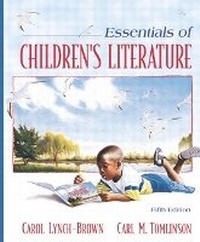
Essentials of Children's Literature, MyLabSchool Edition
5th Edition
Published on 21. January 2005
Book
Mixed media product
416 pages
978-0-205-45908-7 (ISBN)
Description
Written as a "facts-only" approach for students and their instructors that offers an abundance of examples to illustrate how to use children's literature in the classroom, providing a sound foundation for the beginning survey course at the undergraduate and graduate levels.
More details
Edition
5th edition
Language
English
Place of publication
United States
Publishing group
Pearson Education (US)
Target group
Professional and scholarly
Dimensions
Height: 232 mm
Width: 191 mm
Weight
658 gr
ISBN-13
978-0-205-45908-7 (9780205459087)
Copyright in bibliographic data and cover images is held by Nielsen Book Services Limited or by the publishers or by their respective licensors: all rights reserved.
Schweitzer Classification
Other editions
New editions
Carol M. Lynch-Brown | Carl M. Tomlinson
Essentials of Children's Literature
Book
07/2007
6th Edition
Pearson
€68.27
Article exhausted; check for reprint
Content
I. Children and Literature.
Introduction to Part One.
1. Learning about Children and Their Literature.
Definitions of Childrens Literature.
Content.
Quality.
The Personal Value of Literature to Children.
Enjoyment.
Imagination and Inspiration.
Vicarious Experience.
Understanding and Empathy.
Heritage.
Moral Reasoning.
Literary and Artistic Preferences.
The Academic Value of Literature to Children.
Reading.
Writing.
Content Area Subjects.
Art Appreciation.
Approaches to Studying and Interpreting Literature.
Choosing Books for Children.
Know the Child.
Know the Books.
Know the Reading Process.
Consider the Mode of Delivery.
Reliable Sources for Book Titles.
Literature for the Developing Child.
Ages 0 to 2.
Ages 2 to 4.
Ages 4 to 7.
Ages 7 to 9.
Ages 9 to 12.
Childrens Reading Preferences.
Childrens Reading Interests.
Trends in Childrens Literature.
References.
2. Learning About Books.
Elements of Fiction.
Plot.
Characters.
Setting.
Theme.
Style.
Visual Elements.
Line.
Color.
Shape.
Texture.
Composition.
Artistic Styles.
Artistic Media.
Book Format.
Balance and Variety in Book Selections.
Categories of Literature.
References.
II. Categories of Literature.
Introduction to Part Two.
3. Poetry and Plays.
I. Poetry.
Definition and Description.
Types of Poetry Books.
Mother Goose and Nursery Rhyme Books.
Nursery and Folk Songbooks.
Anthologies of Poetry.
Specialized Poetry Books.
Single Illustrated Poems.
Elements of Poetry.
Evaluation and Selection of Poetry.
Childrens Poetry Preferences.
Historical Overview of Poetry.
Poetry Types and Forms.
Poetry in the Classroom.
Students Listening to and Saying Poems.
Students Reading and Writing Poems.
II. Plays.
Definition and Description.
Evaluation and Selection of Plays.
Historical Overview of Plays.
Types of Plays.
References.
Notable Poets and Playwrights.
Recommended Poetry Books.
Recommended Books of Plays.
4. Picture Books.
Definitions and Descriptions.
Evaluation and Selection of Picture Books.
Historical Overview of Picture Books.
Types of Picture Books.
Baby Books.
Interactive Books.
Toy Books.
Wordless Books.
Alphabet Books.
Counting Books.
Concept Books.
Pattern Books.
Picture Storybooks.
Easy-to-Read Books
Picture Books for Older Readers.
Graphic Novels.
Transitional Books.
References.
Notable Authors and Illustrators of Picture Books.
Recommended Picture Books.
5. Traditional Literature.
Definitions and Descriptions.
Evaluation and Selection of Traditional Literature.
Historical Overview of Traditional Literature.
Types of Traditional Literature.
Myths.
Epics.
Legends and Tall Tales.
Folktales.
Fables.
Religious Stories.
References.
Notable Retellers and Illustrators of Traditional Literature.
Recommended Traditional Literature.
6. Modern Fantasy.
Definitions and Descriptions.
Evaluation and Selection of Modern Fantasy.
Historical Overview of Modern Fantasy.
Types of Modern Fantasy.
Modern Folktales.
Animal Fantasy.
Personified Toys and Objects.
Unusual Characters and Strange Situations.
Worlds of Little People.
Supernatural Events and Mystery Fantasy.
Historical Fantasy.
Quest Stories.
Science Fiction and Science Fantasy.
References.
Notable Authors of Modern Fantasy.
Recommended Modern Fantasy Books.
7. Realistic Fiction.
Definitions and Descriptions.
Evaluation and Selection of Realistic Fiction.
Historical Overview of Realistic Fiction.
Types of Realistic Fiction.
Families.
Peers.
Mental, Physical, and Behavioral Challenges.
Cultural Diversity.
Animals.
Sports.
Mysteries.
Moral Choices.
Romance and Sexuality.
Rites of Passage.
Adventure and Survival.
References.
Notable Authors of Realistic Fiction.
Recommended Realistic Fiction Books
8. Historical Fiction.
Definitions and Descriptions.
Evaluation and Selection of Historical Fiction.
Early Books and Trends in Historical Fiction.
Topics in Historical Fiction.
Themes in Historical Fiction.
Periods of Historical Fiction.
References.
Notable Authors of Historical Fiction.
Recommended Historical Fiction Authors.
9. Nonfiction: Biography and Informational Books.
Definitions and Descriptions.
Elements of Nonfiction.
Structure.
Theme.
Style.
Reading Nonfiction.
Formats of Nonfiction Books.
Evaluation and Selection of Nonfiction.
Historical Overview of Nonfiction.
Types of Biographies.
Authentic Biography.
Fictionalized Biography.
Biographical Fiction.
Topics of Informational Books
Biological Science.
Physical Science.
Social Science.
Applied Science.
Humanities.
References.
Notable Authors of Nonfiction.
Recommended Nonfiction Books.
10. Multicultural and International Literature.
I. Multicultural Literature.
Definitions and Descriptions.
Values of Multicultural Literature for Children.
Evaluation and Selection of Multicultural Literature.
Historical Overview of Multicultural Literature.
Types of Multicultural Literature.
African-American Literature.
Asian-American Literature.
Jewish-American Literature.
Latino-American Literature.
Native American Literature.
II. International Literature.
Definitions and Description.
Values of International Literature for Children.
Evaluation and Selection of International Literature.
Historical Overview of International Literature.
International Books by World Regions.
References.
Notable Authors and Illustrators of Multicultural Literature.
Notable Authors, Illustrators, and Translators of International Literature.
Recommended Multicultural Books.
Recommended International Books.
III. Literature in the School.
Introduction to Part Three.
11. Planning the Literature Curriculum.
The Literature Curriculum.
Organizing the Literature Curriculum.
Genre.
Author or Illustrator.
Literary Element and Device.
Notable Book.
Theme or Topic.
Developing the Literature Curriculum.
Designing a Classroom Environment.
Building a Classroom Library Collection.
Outlining a Year-Long Literature Curriculum.
Fleshing Out the Units of Study.
Literature in the Reading Program.
Basal Reading Program Supplemented by Childrens Literature.
Literature-Based Reading.
Evaluating the Literature Program.
Observation and Assessment of Student Learning.
Observation and Assessment of Teacher Effectiveness.
Implementing a Schoolwide Curriculum in Literature.
The Library Media Center.
Book Clubs.
Bookfairs.
Parent Involvement.
Guest Authors and Illustrators.
Local Public Library.
Censorship, Selection, and First Amendment Rights.
Dealing with Censorship Attempts.
Teaching the First Amendment.
References.
12. Developing Teaching Strategies.
Experiencing Literature.
Reading Aloud by Teachers.
Silent Reading by Students.
Booktalks.
Storytelling.
Shared Reading.
Audiotapes, Videotapes, and CD-ROM Storybooks.
Literature Across the Curriculum.
Bibliotherapy.
Responding to Literature.
Book Discussions.
Creative Drama.
Readers Theatre.
Storytellings and Retellings.
Written Expression.
Literary Works as Writing Models.
Traditional Book Reports.
Pictures and Collages.
Murals.
Roller Movies.
Dioramas and Displays.
Books and Big Books.
Newspapers and Newsletters.
Timelines, Maps, Diagrams, and Charts.
Jackdaws.
Bulletin Boards.
References.
Appendix A. Childrens Book Awards.
Appendix B. Professional Resources.
Appendix C. Childrens Magazines.
Appendix D. Short Story Collections.
Appendix E. Transitional Books.
Credits and Acknowledgements.
Index to Childrens Books and Authors.
Subject Index.
Introduction to Part One.
1. Learning about Children and Their Literature.
Definitions of Childrens Literature.
Content.
Quality.
The Personal Value of Literature to Children.
Enjoyment.
Imagination and Inspiration.
Vicarious Experience.
Understanding and Empathy.
Heritage.
Moral Reasoning.
Literary and Artistic Preferences.
The Academic Value of Literature to Children.
Reading.
Writing.
Content Area Subjects.
Art Appreciation.
Approaches to Studying and Interpreting Literature.
Choosing Books for Children.
Know the Child.
Know the Books.
Know the Reading Process.
Consider the Mode of Delivery.
Reliable Sources for Book Titles.
Literature for the Developing Child.
Ages 0 to 2.
Ages 2 to 4.
Ages 4 to 7.
Ages 7 to 9.
Ages 9 to 12.
Childrens Reading Preferences.
Childrens Reading Interests.
Trends in Childrens Literature.
References.
2. Learning About Books.
Elements of Fiction.
Plot.
Characters.
Setting.
Theme.
Style.
Visual Elements.
Line.
Color.
Shape.
Texture.
Composition.
Artistic Styles.
Artistic Media.
Book Format.
Balance and Variety in Book Selections.
Categories of Literature.
References.
II. Categories of Literature.
Introduction to Part Two.
3. Poetry and Plays.
I. Poetry.
Definition and Description.
Types of Poetry Books.
Mother Goose and Nursery Rhyme Books.
Nursery and Folk Songbooks.
Anthologies of Poetry.
Specialized Poetry Books.
Single Illustrated Poems.
Elements of Poetry.
Evaluation and Selection of Poetry.
Childrens Poetry Preferences.
Historical Overview of Poetry.
Poetry Types and Forms.
Poetry in the Classroom.
Students Listening to and Saying Poems.
Students Reading and Writing Poems.
II. Plays.
Definition and Description.
Evaluation and Selection of Plays.
Historical Overview of Plays.
Types of Plays.
References.
Notable Poets and Playwrights.
Recommended Poetry Books.
Recommended Books of Plays.
4. Picture Books.
Definitions and Descriptions.
Evaluation and Selection of Picture Books.
Historical Overview of Picture Books.
Types of Picture Books.
Baby Books.
Interactive Books.
Toy Books.
Wordless Books.
Alphabet Books.
Counting Books.
Concept Books.
Pattern Books.
Picture Storybooks.
Easy-to-Read Books
Picture Books for Older Readers.
Graphic Novels.
Transitional Books.
References.
Notable Authors and Illustrators of Picture Books.
Recommended Picture Books.
5. Traditional Literature.
Definitions and Descriptions.
Evaluation and Selection of Traditional Literature.
Historical Overview of Traditional Literature.
Types of Traditional Literature.
Myths.
Epics.
Legends and Tall Tales.
Folktales.
Fables.
Religious Stories.
References.
Notable Retellers and Illustrators of Traditional Literature.
Recommended Traditional Literature.
6. Modern Fantasy.
Definitions and Descriptions.
Evaluation and Selection of Modern Fantasy.
Historical Overview of Modern Fantasy.
Types of Modern Fantasy.
Modern Folktales.
Animal Fantasy.
Personified Toys and Objects.
Unusual Characters and Strange Situations.
Worlds of Little People.
Supernatural Events and Mystery Fantasy.
Historical Fantasy.
Quest Stories.
Science Fiction and Science Fantasy.
References.
Notable Authors of Modern Fantasy.
Recommended Modern Fantasy Books.
7. Realistic Fiction.
Definitions and Descriptions.
Evaluation and Selection of Realistic Fiction.
Historical Overview of Realistic Fiction.
Types of Realistic Fiction.
Families.
Peers.
Mental, Physical, and Behavioral Challenges.
Cultural Diversity.
Animals.
Sports.
Mysteries.
Moral Choices.
Romance and Sexuality.
Rites of Passage.
Adventure and Survival.
References.
Notable Authors of Realistic Fiction.
Recommended Realistic Fiction Books
8. Historical Fiction.
Definitions and Descriptions.
Evaluation and Selection of Historical Fiction.
Early Books and Trends in Historical Fiction.
Topics in Historical Fiction.
Themes in Historical Fiction.
Periods of Historical Fiction.
References.
Notable Authors of Historical Fiction.
Recommended Historical Fiction Authors.
9. Nonfiction: Biography and Informational Books.
Definitions and Descriptions.
Elements of Nonfiction.
Structure.
Theme.
Style.
Reading Nonfiction.
Formats of Nonfiction Books.
Evaluation and Selection of Nonfiction.
Historical Overview of Nonfiction.
Types of Biographies.
Authentic Biography.
Fictionalized Biography.
Biographical Fiction.
Topics of Informational Books
Biological Science.
Physical Science.
Social Science.
Applied Science.
Humanities.
References.
Notable Authors of Nonfiction.
Recommended Nonfiction Books.
10. Multicultural and International Literature.
I. Multicultural Literature.
Definitions and Descriptions.
Values of Multicultural Literature for Children.
Evaluation and Selection of Multicultural Literature.
Historical Overview of Multicultural Literature.
Types of Multicultural Literature.
African-American Literature.
Asian-American Literature.
Jewish-American Literature.
Latino-American Literature.
Native American Literature.
II. International Literature.
Definitions and Description.
Values of International Literature for Children.
Evaluation and Selection of International Literature.
Historical Overview of International Literature.
International Books by World Regions.
References.
Notable Authors and Illustrators of Multicultural Literature.
Notable Authors, Illustrators, and Translators of International Literature.
Recommended Multicultural Books.
Recommended International Books.
III. Literature in the School.
Introduction to Part Three.
11. Planning the Literature Curriculum.
The Literature Curriculum.
Organizing the Literature Curriculum.
Genre.
Author or Illustrator.
Literary Element and Device.
Notable Book.
Theme or Topic.
Developing the Literature Curriculum.
Designing a Classroom Environment.
Building a Classroom Library Collection.
Outlining a Year-Long Literature Curriculum.
Fleshing Out the Units of Study.
Literature in the Reading Program.
Basal Reading Program Supplemented by Childrens Literature.
Literature-Based Reading.
Evaluating the Literature Program.
Observation and Assessment of Student Learning.
Observation and Assessment of Teacher Effectiveness.
Implementing a Schoolwide Curriculum in Literature.
The Library Media Center.
Book Clubs.
Bookfairs.
Parent Involvement.
Guest Authors and Illustrators.
Local Public Library.
Censorship, Selection, and First Amendment Rights.
Dealing with Censorship Attempts.
Teaching the First Amendment.
References.
12. Developing Teaching Strategies.
Experiencing Literature.
Reading Aloud by Teachers.
Silent Reading by Students.
Booktalks.
Storytelling.
Shared Reading.
Audiotapes, Videotapes, and CD-ROM Storybooks.
Literature Across the Curriculum.
Bibliotherapy.
Responding to Literature.
Book Discussions.
Creative Drama.
Readers Theatre.
Storytellings and Retellings.
Written Expression.
Literary Works as Writing Models.
Traditional Book Reports.
Pictures and Collages.
Murals.
Roller Movies.
Dioramas and Displays.
Books and Big Books.
Newspapers and Newsletters.
Timelines, Maps, Diagrams, and Charts.
Jackdaws.
Bulletin Boards.
References.
Appendix A. Childrens Book Awards.
Appendix B. Professional Resources.
Appendix C. Childrens Magazines.
Appendix D. Short Story Collections.
Appendix E. Transitional Books.
Credits and Acknowledgements.
Index to Childrens Books and Authors.
Subject Index.