

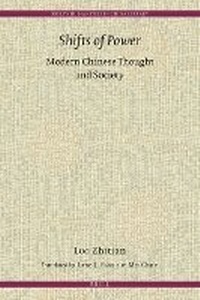
Shifts of Power
Modern Chinese Thought and Society
Published on 8. November 2018
Book
Paperback/Softback
472 pages
978-90-04-39359-2 (ISBN)
Description
In Shifts of Power: Modern Chinese Thought and Society, Luo Zhitian brings together nine essays to explore the causes and consequences of various shifts of power in modern Chinese society, including the shift from scholars to intellectuals, from the traditional state to the modern state, and from the people to society. Adopting a microhistorical approach, Luo situates these shifts at the intersection of social change and intellectual evolution in the midst of modern China's culture wars with the West. Those culture wars produced new problems for China, but also provided some new intellectual resources as Chinese scholars and intellectuals grappled with the collisions and convergences of old and new in late Qing and early Republican China.
More details
Series
Language
Other
English
Place of publication
Leiden
Netherlands
Target group
Professional and scholarly
Product notice
Paperback (trade)
Dimensions
Height: 235 mm
Width: 155 mm
Thickness: 25 mm
ISBN-13
978-90-04-39359-2 (9789004393592)
Copyright in bibliographic data and cover images is held by Nielsen Book Services Limited or by the publishers or by their respective licensors: all rights reserved.
Schweitzer Classification
Other editions
Additional editions
Book
08/2017
Brill
€281.50
Shipment within 10-20 days
Persons
Luo Zhitian, Ph.D. (1994), Princeton University, is Professor of History at Beijing University and Sichuan University. He has published more than a dozen books and one hundred articles, including Inheritance within Rupture: Culture and Scholarship in Early Twentieth-Century China (Brill, 2015).
Lane J. Harris, Ph.D. (2012), University of Illinois, Urbana-Champaign, is Associate Professor of History at Furman University. His work on communications systems in Chinese history has appeared in the Journal of Asian Studies, the Journal of Early Modern History, Ming Studies, and Twentieth-Century China.
Mei Chun, Ph.D. (2005), Washington University in Saint Louis, is a scholar and translator of Chinese literature, an Associate of the University Center for International Studies at the University of Pittsburgh, and author of The Novel and Theatrical Imagination in Early Modern China (Brill, 2011).
Lane J. Harris, Ph.D. (2012), University of Illinois, Urbana-Champaign, is Associate Professor of History at Furman University. His work on communications systems in Chinese history has appeared in the Journal of Asian Studies, the Journal of Early Modern History, Ming Studies, and Twentieth-Century China.
Mei Chun, Ph.D. (2005), Washington University in Saint Louis, is a scholar and translator of Chinese literature, an Associate of the University Center for International Studies at the University of Pittsburgh, and author of The Novel and Theatrical Imagination in Early Modern China (Brill, 2011).
Content
Series Editor's Foreword
Preface to the Revised Edition
Original Preface
?About this Book
?Acknowledgements
1 The Worship of the New: A Shift of Power in Modern Chinese Thought under the Impact of the Western Tide
?The Thought War: Who Changed Whose Ways of Thinking
?From Western Learning as Function to Chinese Learning Can't be Essence
?The Worship of the New
2 The Abolition of the Examination System and the Disintegration of the Four-Class Society: Modern Social Change in the Eyes of an Inland Member of the Gentry
?The Inner Chapters: Rural Society before and after the Abolition of the Examination System and the End of the Plowing-Studying Route
?The Outer Chapters: Historical Revelations from the Mind of a Modern Inland Gentry Member
3 The Impact of the Abolition of the Examination System on Rural Society
?Its Influence on Village Education
?The Urban-Rural Divide and Rural Elite Flight to the Cities
?Additional Thoughts
4 Shifts of Social Power in Modern China: The Marginalization of Intellectuals and the Rise of Marginal Intellectuals
?The Social Transition from Scholars to Intellectuals
?The Marginalization of the Intellectuals
?The Rise of Marginal Intellectuals
5 The Worries and Responsibilities of Educated Chinese in the Age of Transition
?A Brief Introduction to the Age of Transition
?Definitions of Studying and the Educated
?The Fade Away of the Classics in Modern Times
?Shifts and Movements in the Self-Positioning of Educated Chinese
?Who Will Step Forward to Carry the Burden of the Nation?: Reflections on Liang Qichao
?The Scenery-Spoiling Dogs Plow the Field
6 The Monolithicization of Chinese Tradition: The Development of Anti-traditional Trends in the Late Qing and Early Republic
?Historical Continuities
?The Origins of the Anti-traditional Turn in the Late Qing
?The Complete Negativization of Tradition in the Early Republic
?Additional Thoughts: The Instability of Tradition
7 The Divided West: The International Storm and the Development of Chinese Thought in the May Fourth Era
?Introduction: The Divided West
?Shifting the Model of Study
?The Evolution of Intellectual Trends
?After the Division of the West: China as a Battlefield for the Other
8 Reflections on the Uniqueness of Modern Chinese Nationalism
?Early Understandings of Modern Chinese Nationalism
?Intensely Anti-traditional: The First Characteristic of Modern Chinese Nationalism
?Longing for 'The Superman and the Supranational': The Second Characteristic of Modern Chinese Nationalism
?Protest and Construction: The Two Faces of Modern Chinese Nationalism
?The Relationship between Local Consciousness and National Unification
?Additional Thoughts
9 The State Advances, the People Retreat: The Rise of a Trend in the Late Qing
?Introduction: From Small Government to Big Government, the State in Transformation
?The State Advances towards the People: The Examination of Public Funds and Public Property
?Judicial Reforms and Changes in the Symbols of the State
?Old and New 'Self-Government' and Their Different 'Publics'
?The Rise of 'Society' in the Changing Relationship between the State and the People
Appendix: List of Names
Bibliography
Index
Preface to the Revised Edition
Original Preface
?About this Book
?Acknowledgements
1 The Worship of the New: A Shift of Power in Modern Chinese Thought under the Impact of the Western Tide
?The Thought War: Who Changed Whose Ways of Thinking
?From Western Learning as Function to Chinese Learning Can't be Essence
?The Worship of the New
2 The Abolition of the Examination System and the Disintegration of the Four-Class Society: Modern Social Change in the Eyes of an Inland Member of the Gentry
?The Inner Chapters: Rural Society before and after the Abolition of the Examination System and the End of the Plowing-Studying Route
?The Outer Chapters: Historical Revelations from the Mind of a Modern Inland Gentry Member
3 The Impact of the Abolition of the Examination System on Rural Society
?Its Influence on Village Education
?The Urban-Rural Divide and Rural Elite Flight to the Cities
?Additional Thoughts
4 Shifts of Social Power in Modern China: The Marginalization of Intellectuals and the Rise of Marginal Intellectuals
?The Social Transition from Scholars to Intellectuals
?The Marginalization of the Intellectuals
?The Rise of Marginal Intellectuals
5 The Worries and Responsibilities of Educated Chinese in the Age of Transition
?A Brief Introduction to the Age of Transition
?Definitions of Studying and the Educated
?The Fade Away of the Classics in Modern Times
?Shifts and Movements in the Self-Positioning of Educated Chinese
?Who Will Step Forward to Carry the Burden of the Nation?: Reflections on Liang Qichao
?The Scenery-Spoiling Dogs Plow the Field
6 The Monolithicization of Chinese Tradition: The Development of Anti-traditional Trends in the Late Qing and Early Republic
?Historical Continuities
?The Origins of the Anti-traditional Turn in the Late Qing
?The Complete Negativization of Tradition in the Early Republic
?Additional Thoughts: The Instability of Tradition
7 The Divided West: The International Storm and the Development of Chinese Thought in the May Fourth Era
?Introduction: The Divided West
?Shifting the Model of Study
?The Evolution of Intellectual Trends
?After the Division of the West: China as a Battlefield for the Other
8 Reflections on the Uniqueness of Modern Chinese Nationalism
?Early Understandings of Modern Chinese Nationalism
?Intensely Anti-traditional: The First Characteristic of Modern Chinese Nationalism
?Longing for 'The Superman and the Supranational': The Second Characteristic of Modern Chinese Nationalism
?Protest and Construction: The Two Faces of Modern Chinese Nationalism
?The Relationship between Local Consciousness and National Unification
?Additional Thoughts
9 The State Advances, the People Retreat: The Rise of a Trend in the Late Qing
?Introduction: From Small Government to Big Government, the State in Transformation
?The State Advances towards the People: The Examination of Public Funds and Public Property
?Judicial Reforms and Changes in the Symbols of the State
?Old and New 'Self-Government' and Their Different 'Publics'
?The Rise of 'Society' in the Changing Relationship between the State and the People
Appendix: List of Names
Bibliography
Index