

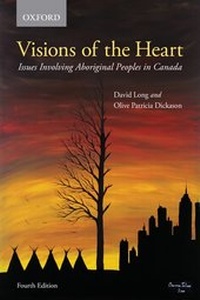
Visions of the Heart
Issues Involving Aboriginal Peoples in Canada
4th Edition
Published on 12. May 2016
Book
Paperback/Softback
464 pages
978-0-19-901477-4 (ISBN)
Description
Visions of the Heart: Issues Involving Aboriginal Peoples in Canada is a contributed volume that offers a rich, in-depth study of contemporary issues facing Aboriginal peoples in Canada. This collection brings together leading Aboriginal and non-Aboriginal scholars from across the country and explores the relationship between First Nations, Metis, and Inuit and other Canadians throughout the country's history to present day. The fourth edition has been
fully updated to reflect the current state of Canadian Aboriginal peoples today. It includes five new essays covering the environment, art, identity, gender, and criminal justice, making it an indispensable text for understanding Aboriginal issues in Canada.
fully updated to reflect the current state of Canadian Aboriginal peoples today. It includes five new essays covering the environment, art, identity, gender, and criminal justice, making it an indispensable text for understanding Aboriginal issues in Canada.
Reviews / Votes
"The authors have put together a comprehensive picture of contemporary Aboriginal issues in a thought-provoking and accurate way."--Bret Nickels, University of Manitoba
"The range of scholars included in this collection is a major strength, and the contributors are well-known experts in their respective fields."
--Lianne Leddy, Wilfrid Laurier University
More details
Edition
4th Revised edition
Language
English
Place of publication
Toronto
Canada
Target group
College/higher education
Edition type
Revised edition
Illustrations
16 figures; 10 tables; 1 map; 15 photos
Dimensions
Height: 229 mm
Width: 154 mm
Thickness: 18 mm
Weight
558 gr
ISBN-13
978-0-19-901477-4 (9780199014774)
Copyright in bibliographic data and cover images is held by Nielsen Book Services Limited or by the publishers or by their respective licensors: all rights reserved.
Schweitzer Classification
Other editions
Additional editions
Book
03/2011
3rd Edition
Oxford University Press, Canada
€49.60
Article exhausted; check different version
Persons
David Long is a professor of sociology at The King's University in Edmonton.
The late Olive Patricia Dickason was professor emeritus at the University of Alberta and adjunct professor of history at the University of Ottawa. She was the author of several books, named a Member of the Order of Canada in 1996, and received the Aboriginal Life Achievement Award, Canadian Native Arts Foundation, in 1997.
The late Olive Patricia Dickason was professor emeritus at the University of Alberta and adjunct professor of history at the University of Ottawa. She was the author of several books, named a Member of the Order of Canada in 1996, and received the Aboriginal Life Achievement Award, Canadian Native Arts Foundation, in 1997.
Content
Introduction
David Long
1. Indigenous Eco-Technological Knowings Meet University Satellite Campus Teachings on the Rez
Peter Cole
2. All Our Relations: Aboriginal Perspectives on Environmental Issues in Canada
Deborah McGregor
- Aboriginal Concepts of Environment: All of Creation
- Historical Context: Dispossession of Lands and the Environmental Crisis
- Increasing Aboriginal Control in Environmental Governance
- Moving Forward: Nation-to-Nation Relationships
3. The "Canada Problem" in Aboriginal Politics
David Newhouse and Yale Belanger
- Aboriginal Peoples and Canada
- The Colonial Legacy
- Addressing the "Indian Problem" in the Second Half of the Twentieth Century
- Addressing the "Canada Problem"
- The Push for Aboriginal Self-Government
- Into the Twenty-First Century
- Concluding Remarks on a Way Forward
4. Elders' Teachings in the Twenty-First Century: A Personal Reflection
Marlene Brant Castellano
- Viewing the Landscape from a Particular Place
- Uncovering Layers of Meaning
- Sites of Learning
- Teaching Methods and Key Concepts
- Catalysts for Institutional Change
- Preserving the Integrity of Traditional Knowledge
5. Foundations: First Nation and Metis Families
Kim Anderson and Jessica Ball
- Looking Back
- First Nation and Metis Families Today
- Putting the Pieces Back Together
6. First Nations Women in Canada
Cora J. Voyageur
- First Nations Women: From Essential to Redundant
- Subordination of Indigenous Women
- The Manipulation of the Historical Record by the Literate
- Eliminating the People of the Terra Nullius
- The Yoke of Oppression: The Indian Act
- The Beginning of Change
- Taking Back Their Voices
- Contemporary First Nations Women's Concerns
7. Indigenous Men: Masculinity and Leadership
Lee Maracle and John Swift
- Contemporary Conversation on Indigenous Leadership
- Contemporary Governance Challenges for Indigenous Peoples
- Land, Love, and Leadership
- Weaving New Webs
- Strategic Planning with Sto:lo Elders and the Rabbit Society (Sakej Ward)
- Questioning Male Privilege (John Swift)
8. Aboriginal Demography
Don Kerr and Roderic Beaujot
- Pre-Contact Demography
- Health and Mortality Conditions
- European Contact, Excessive Mortality, and Population Decline
- Population Decline and Recovery
- The Contemporary Situation
- The Dynamics of Population Change
- Demographic Differences by Aboriginal Group
9. Aboriginal Languages in Canada: Generational and Community Perspectives on Language Maintenance, Loss, and Revitalization
Mary Jane Norris
- Factors Endangering Aboriginal Languages in Canada: From Colonization to Globalization
- Understanding Language Endangerment and Revitalization: From Conceptual Explanation to Demographic and Geographic Analysis
- Aboriginal Language Revitalization in Canada: Attitudes, Benefits, Initiatives and Ongoing Developments
- Generations Preparing for the Future
10. Learning from Indigenous Knowledge in Education
Jan Hare and Sara Florence Davidson
- The Role of Indigenous Knowledge in Traditional Education
- Colonizing Indigenous Knowledge in Education
- The Intergenerational Legacy of Residential Schooling
- Creating Space for Indigenous Knowledge in Education Today
- The Way Ahead
11. Art and Reconciliation
Jonathan Dewar
- Where Are We?
- Community and Responsibility
- Defining/Defying Reconciliation
- Art and Healing
- Commemoration
12. A Way Forward in Efforts to Support the Health and Well-Being of Canada's Aboriginal Peoples
Martin Cooke and David Long
- The RCAP: Clarifying a Vision for Aboriginal Health and Healing
- Jurisdiction and Responsibility for Aboriginal Health
- Perspectives on Health: Western and Indigenous
- The Changing View of (Public) Health in Canada
- The Demography and Social Epidemiology of Aboriginal Health
- Explanations for Health Inequalities: Biology, Behaviour, and Society
- Indigenous and Community-Based Health Research
- Changing Relationships and Continuing Tensions
- Conclusion: Living with Contradictions
13. Aboriginal Communities in the City: Reflections along the Path to Self-Government
Kevin FitzMaurice and Don McCaskill
- Part 1: Urban Aboriginal Community Profiles in Canada
- Part 2: Urban Aboriginal Identities, Community, and Governance
- Emerging Questions and Challenges: Urban Aboriginal Governance, Aboriginal Rights, and Cultural Diversity
- Recommended Areas for Further Research
14. The Failed Foreign System of Criminal Justice and the Problem with Canada
Lisa Monchalin
- Introduction: The Continued Failure of the Canadian Criminal Justice System
- Incarceration and Victimization of Aboriginal Peoples
- The Standard Response to Aboriginal Criminal Justice: Police, the Courts, and Corrections
- "The Roots of Injustice Lie in Our History"
- The Way Forward: Re-establishing Peace, Friendship, and Indigenous Systems of Justice
15. Reconciliation and a Way Forward: A Concluding Dialogue
David Newhouse and David Long
- Reconciliation
- Moving Forward
David Long
1. Indigenous Eco-Technological Knowings Meet University Satellite Campus Teachings on the Rez
Peter Cole
2. All Our Relations: Aboriginal Perspectives on Environmental Issues in Canada
Deborah McGregor
- Aboriginal Concepts of Environment: All of Creation
- Historical Context: Dispossession of Lands and the Environmental Crisis
- Increasing Aboriginal Control in Environmental Governance
- Moving Forward: Nation-to-Nation Relationships
3. The "Canada Problem" in Aboriginal Politics
David Newhouse and Yale Belanger
- Aboriginal Peoples and Canada
- The Colonial Legacy
- Addressing the "Indian Problem" in the Second Half of the Twentieth Century
- Addressing the "Canada Problem"
- The Push for Aboriginal Self-Government
- Into the Twenty-First Century
- Concluding Remarks on a Way Forward
4. Elders' Teachings in the Twenty-First Century: A Personal Reflection
Marlene Brant Castellano
- Viewing the Landscape from a Particular Place
- Uncovering Layers of Meaning
- Sites of Learning
- Teaching Methods and Key Concepts
- Catalysts for Institutional Change
- Preserving the Integrity of Traditional Knowledge
5. Foundations: First Nation and Metis Families
Kim Anderson and Jessica Ball
- Looking Back
- First Nation and Metis Families Today
- Putting the Pieces Back Together
6. First Nations Women in Canada
Cora J. Voyageur
- First Nations Women: From Essential to Redundant
- Subordination of Indigenous Women
- The Manipulation of the Historical Record by the Literate
- Eliminating the People of the Terra Nullius
- The Yoke of Oppression: The Indian Act
- The Beginning of Change
- Taking Back Their Voices
- Contemporary First Nations Women's Concerns
7. Indigenous Men: Masculinity and Leadership
Lee Maracle and John Swift
- Contemporary Conversation on Indigenous Leadership
- Contemporary Governance Challenges for Indigenous Peoples
- Land, Love, and Leadership
- Weaving New Webs
- Strategic Planning with Sto:lo Elders and the Rabbit Society (Sakej Ward)
- Questioning Male Privilege (John Swift)
8. Aboriginal Demography
Don Kerr and Roderic Beaujot
- Pre-Contact Demography
- Health and Mortality Conditions
- European Contact, Excessive Mortality, and Population Decline
- Population Decline and Recovery
- The Contemporary Situation
- The Dynamics of Population Change
- Demographic Differences by Aboriginal Group
9. Aboriginal Languages in Canada: Generational and Community Perspectives on Language Maintenance, Loss, and Revitalization
Mary Jane Norris
- Factors Endangering Aboriginal Languages in Canada: From Colonization to Globalization
- Understanding Language Endangerment and Revitalization: From Conceptual Explanation to Demographic and Geographic Analysis
- Aboriginal Language Revitalization in Canada: Attitudes, Benefits, Initiatives and Ongoing Developments
- Generations Preparing for the Future
10. Learning from Indigenous Knowledge in Education
Jan Hare and Sara Florence Davidson
- The Role of Indigenous Knowledge in Traditional Education
- Colonizing Indigenous Knowledge in Education
- The Intergenerational Legacy of Residential Schooling
- Creating Space for Indigenous Knowledge in Education Today
- The Way Ahead
11. Art and Reconciliation
Jonathan Dewar
- Where Are We?
- Community and Responsibility
- Defining/Defying Reconciliation
- Art and Healing
- Commemoration
12. A Way Forward in Efforts to Support the Health and Well-Being of Canada's Aboriginal Peoples
Martin Cooke and David Long
- The RCAP: Clarifying a Vision for Aboriginal Health and Healing
- Jurisdiction and Responsibility for Aboriginal Health
- Perspectives on Health: Western and Indigenous
- The Changing View of (Public) Health in Canada
- The Demography and Social Epidemiology of Aboriginal Health
- Explanations for Health Inequalities: Biology, Behaviour, and Society
- Indigenous and Community-Based Health Research
- Changing Relationships and Continuing Tensions
- Conclusion: Living with Contradictions
13. Aboriginal Communities in the City: Reflections along the Path to Self-Government
Kevin FitzMaurice and Don McCaskill
- Part 1: Urban Aboriginal Community Profiles in Canada
- Part 2: Urban Aboriginal Identities, Community, and Governance
- Emerging Questions and Challenges: Urban Aboriginal Governance, Aboriginal Rights, and Cultural Diversity
- Recommended Areas for Further Research
14. The Failed Foreign System of Criminal Justice and the Problem with Canada
Lisa Monchalin
- Introduction: The Continued Failure of the Canadian Criminal Justice System
- Incarceration and Victimization of Aboriginal Peoples
- The Standard Response to Aboriginal Criminal Justice: Police, the Courts, and Corrections
- "The Roots of Injustice Lie in Our History"
- The Way Forward: Re-establishing Peace, Friendship, and Indigenous Systems of Justice
15. Reconciliation and a Way Forward: A Concluding Dialogue
David Newhouse and David Long
- Reconciliation
- Moving Forward