

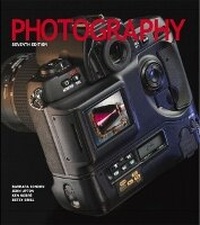
Photography
7th Edition
Published on 24. July 2001
Book
Paperback/Softback
432 pages
978-0-13-028271-2 (ISBN)
Description
For introductory and advanced courses in Photography.
This best-selling, comprehensive book-featuring superb instructional illustrations-is the cutting-edge photography text on the market offering absolute clarity in it's presentation of black and white as well as color photography. It also offers extensive coverage of digital imaging-with the latest technological developments, such as Web page design and formatting photos on CD-ROMs.
This best-selling, comprehensive book-featuring superb instructional illustrations-is the cutting-edge photography text on the market offering absolute clarity in it's presentation of black and white as well as color photography. It also offers extensive coverage of digital imaging-with the latest technological developments, such as Web page design and formatting photos on CD-ROMs.
More details
Edition
7th edition
Language
English
Place of publication
United States
Publishing group
Pearson Education (US)
Target group
Professional and scholarly
Dimensions
Height: 272 mm
Width: 261 mm
Thickness: 20 mm
Weight
1638 gr
ISBN-13
978-0-13-028271-2 (9780130282712)
Copyright in bibliographic data and cover images is held by Nielsen Book Services Limited or by the publishers or by their respective licensors: all rights reserved.
Schweitzer Classification
Other editions
New editions

Barbara London | John Upton | Jim Stone
Photography
Book
05/2004
8th Edition
Pearson
€60.65
Article exhausted; check for reprint
Previous edition

Barbara London | John Upton
Photography
Book
10/1997
6th Edition
Pearson
€34.65
Article exhausted; check for reprint
Content
1. GETTING STARTED.
Camera and Film.
Loading Film into the Camera.
Focusing and Setting the Exposure.
Taking Your Picture.
What Will You Photograph?
2. CAMERA.
Basic Camera Controls.
The Shutter.
The Aperture.
Using Shutter and Aperture Together.
Choosing a Camera.
Special-Purpose Cameras.
Keeping the Camera Steady.
Photographer at Work: Photojournalist James Nachtwey.
3. LENS.
From Pinhole to Lens.
Lens Focal Length.
Special-Purpose Lenses.
Focusing Your Lens.
Focus and Depth of Field.
Perspective.
How to Make a Close-up Photograph.
Guidelines for Buying a Lens.
Getting the Most from Your Camera and Lens.
4. LIGHT AND FILM.
Selecting and Using Film.
How Film Responds to Light.
Using Filters.
Photographer at Work: Another Angle on Sports-Walter Iooss.
5. EXPOSURE.
Exposure Basics.
How to Meter.
Using Exposure.
6. DEVELOPING THE NEGATIVE.
How to Process Black-and-White Roll Film.
Processing Black-and-White Roll Film Step by Step.
How Film Processing Affects Your Picture.
Exposure and Development: Under, Normal, Over.
Push Processing.
7. PRINTING THE POSITIVE.
Black-and-White Printing.
Making a Black-and-White Print Step by Step.
Evaluating Density and Contrast in a Print.
Controlling Contrast.
Dodging and Burning.
Cropping.
Archival Processing for Maximum Permanence.
Toning for Color and Other Effects.
8. FINISHING AND MOUNTING.
Spotting to Remove Minor Flaws.
Mounting a Print.
9. COLOR.
Color: Additive or Subtractive.
Color Photographs: Three Image Layers.
Choosing a Color Film.
Exposure Latitude.
Color Balance.
Developing Color Film.
Making a Color Print from a Negative.
Making a Color Print from a Transparency.
Photographer at Work: Advertising Photographer Chris Clemens.
10. DIGITAL CAMERA.
A Computer with a Lens.
Using a Digital Camera.
Choosing a Digital Camera.
11. DIGITAL DARKROOM.
Digital Imaging: An Overview.
Scanning a Photograph.
The Digital Photograph.
Working Memory, Storage, and Transmission.
Your Work Area and Tools.
Adjusting the Image Overall.
Compositing.
Other Adjustments.
Printing and Display.
Ethics and Digital Imaging.
Using Digital Imaging.
Photographer at Work: Merging Photography and Illustration-William Duke.
12. LIGHTING.
Direction of Light.
Degree of Diffusion: From Hard to Soft Light.
Available Light-Outdoors.
Available Light-Indoors.
Artificial Light.
The Main Light: The Dominant Source.
The Fill Light: To Lighten Shadows.
Lighting with Flash.
Simple Portrait Lighting.
Multiple-Light Portrait Setups.
Lighting Textured Objects.
Lighting Reflective Objects.
Lighting Translucent Objects.
Using Lighting.
Photographer at Work: Dance Photographer Lois Greenfield.
13. SPECIAL TECHNIQUES.
Copying Techniques.
Pinhole Photography.
Special Printing Techniques.
Alternative Processes.
14. VIEW CAMERA.
Inside a View Camera.
View Camera Movements.
Using a View Camera to Control the Image.
Equipment You'll Need.
What to Do First-and Next.
Loading and Processing Sheet Film.
15. ZONE SYSTEM.
The Zone System Scales.
Using the Zone Scale While Metering.
How Development Controls Contrast.
Putting It All Together.
Photographer at Work: Using the Zone System-John Sexton.
16. SEEING PHOTOGRAPHS.
Basic Choices.
Basic Design.
More Choices.
Looking at-and Talking About-Photographs.
Showing Your Work to Editors and Others.
17. HISTORY OF PHOTOGRAPHY.
The Invention of Photography.
Daguerreotype: "Designs on Silver Bright."
Calotype.
Collodion Wet-Plate: Sharp and Reproducible.
Gelatin Emulsion/Roll-Film Base: Photography for Everyone.
Color Photography.
Early Portraits.
Early Travel Photography.
Early Images of War.
Time and Motion in Early Photographs.
The Photograph as Document.
Photography and Social Change.
Photojournalism.
Photography as Art in the 19th Century.
Pictorial Photography and the Photo-Secession.
The Direct Image in Art.
The Quest for New Vision.
Photography as Art in the 1950s and Beyond.
A Gallery of Contemporary Photography.
Appendices.
Troubleshooting: Finding the Problem/Finding the Solution.
Glossary.
Bibliography.
Credits.
Index.
Light Meter.
Camera and Film.
Loading Film into the Camera.
Focusing and Setting the Exposure.
Taking Your Picture.
What Will You Photograph?
2. CAMERA.
Basic Camera Controls.
The Shutter.
The Aperture.
Using Shutter and Aperture Together.
Choosing a Camera.
Special-Purpose Cameras.
Keeping the Camera Steady.
Photographer at Work: Photojournalist James Nachtwey.
3. LENS.
From Pinhole to Lens.
Lens Focal Length.
Special-Purpose Lenses.
Focusing Your Lens.
Focus and Depth of Field.
Perspective.
How to Make a Close-up Photograph.
Guidelines for Buying a Lens.
Getting the Most from Your Camera and Lens.
4. LIGHT AND FILM.
Selecting and Using Film.
How Film Responds to Light.
Using Filters.
Photographer at Work: Another Angle on Sports-Walter Iooss.
5. EXPOSURE.
Exposure Basics.
How to Meter.
Using Exposure.
6. DEVELOPING THE NEGATIVE.
How to Process Black-and-White Roll Film.
Processing Black-and-White Roll Film Step by Step.
How Film Processing Affects Your Picture.
Exposure and Development: Under, Normal, Over.
Push Processing.
7. PRINTING THE POSITIVE.
Black-and-White Printing.
Making a Black-and-White Print Step by Step.
Evaluating Density and Contrast in a Print.
Controlling Contrast.
Dodging and Burning.
Cropping.
Archival Processing for Maximum Permanence.
Toning for Color and Other Effects.
8. FINISHING AND MOUNTING.
Spotting to Remove Minor Flaws.
Mounting a Print.
9. COLOR.
Color: Additive or Subtractive.
Color Photographs: Three Image Layers.
Choosing a Color Film.
Exposure Latitude.
Color Balance.
Developing Color Film.
Making a Color Print from a Negative.
Making a Color Print from a Transparency.
Photographer at Work: Advertising Photographer Chris Clemens.
10. DIGITAL CAMERA.
A Computer with a Lens.
Using a Digital Camera.
Choosing a Digital Camera.
11. DIGITAL DARKROOM.
Digital Imaging: An Overview.
Scanning a Photograph.
The Digital Photograph.
Working Memory, Storage, and Transmission.
Your Work Area and Tools.
Adjusting the Image Overall.
Compositing.
Other Adjustments.
Printing and Display.
Ethics and Digital Imaging.
Using Digital Imaging.
Photographer at Work: Merging Photography and Illustration-William Duke.
12. LIGHTING.
Direction of Light.
Degree of Diffusion: From Hard to Soft Light.
Available Light-Outdoors.
Available Light-Indoors.
Artificial Light.
The Main Light: The Dominant Source.
The Fill Light: To Lighten Shadows.
Lighting with Flash.
Simple Portrait Lighting.
Multiple-Light Portrait Setups.
Lighting Textured Objects.
Lighting Reflective Objects.
Lighting Translucent Objects.
Using Lighting.
Photographer at Work: Dance Photographer Lois Greenfield.
13. SPECIAL TECHNIQUES.
Copying Techniques.
Pinhole Photography.
Special Printing Techniques.
Alternative Processes.
14. VIEW CAMERA.
Inside a View Camera.
View Camera Movements.
Using a View Camera to Control the Image.
Equipment You'll Need.
What to Do First-and Next.
Loading and Processing Sheet Film.
15. ZONE SYSTEM.
The Zone System Scales.
Using the Zone Scale While Metering.
How Development Controls Contrast.
Putting It All Together.
Photographer at Work: Using the Zone System-John Sexton.
16. SEEING PHOTOGRAPHS.
Basic Choices.
Basic Design.
More Choices.
Looking at-and Talking About-Photographs.
Showing Your Work to Editors and Others.
17. HISTORY OF PHOTOGRAPHY.
The Invention of Photography.
Daguerreotype: "Designs on Silver Bright."
Calotype.
Collodion Wet-Plate: Sharp and Reproducible.
Gelatin Emulsion/Roll-Film Base: Photography for Everyone.
Color Photography.
Early Portraits.
Early Travel Photography.
Early Images of War.
Time and Motion in Early Photographs.
The Photograph as Document.
Photography and Social Change.
Photojournalism.
Photography as Art in the 19th Century.
Pictorial Photography and the Photo-Secession.
The Direct Image in Art.
The Quest for New Vision.
Photography as Art in the 1950s and Beyond.
A Gallery of Contemporary Photography.
Appendices.
Troubleshooting: Finding the Problem/Finding the Solution.
Glossary.
Bibliography.
Credits.
Index.
Light Meter.