

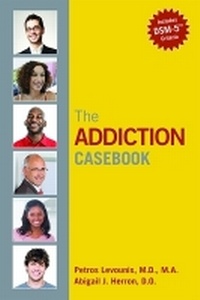
The Addiction Casebook
Published on 28. February 2014
Book
Paperback/Softback
230 pages
978-1-58562-458-4 (ISBN)
Description
The Addiction Casebook presents 12 patients with DSM-5 addiction diagnoses - plus one experiencing problematic Internet use - and illustrates practical and successful strategies for diagnosing and treating these patients. The book's cases are analogous to those that clinicians commonly encounter in their everyday practice and effectively demonstrate the intersection of addiction with other psychiatric diagnoses. The experience and clinical wisdom of three generations of addiction specialists are distilled into a single volume that includes the most salient ideas and treatment suggestions for clinicians.
This informative, practical volume strikes a colloquial, and sometimes humorous, tone. General psychiatrists and psychiatric residents seeking to gain expertise in and an understanding of addiction will find it a delight to read, as will a diverse audience of family practitioners, internists, pediatricians, medical students, allied professionals, and anyone interested in sharpening her or his clinical skills.
The book is the first to cover the diagnosis, assessment, and treatment of substance use disorders and other addictions within the DSM-5 framework. Its many valuable and helpful features include ; An outline of the progression in thinking about psychiatric diagnoses with the move from DSM-IV-TR (R) to DSM-5. Descriptions of hands-on experience with the current diagnosis and treatment of substance use disorders and other addictions that complement substance abuse textbooks and bring the material to life. Coverage of such subject areas as alcohol, caffeine, cannabis, hallucinogen, inhalant, opioid, sedative, hypnotic, anxiolytic, stimulant, tobacco, gambling, and Internet addictions. Key points and multiple-answer questions at the end of each chapter that highlight the chapter's most pertinent takeaways and apply and strengthen readers' knowledge of chapter information. Extensive use of tables, figures, charts, and other instructive materials to illuminate and clarify addiction concepts.
In their preface, the authors assert their hope that the book ""will provide the fundamental tools for working with the substance-using patient in the hospital, the clinic, and the community."" The Addiction Casebook exceeds its goal by providing mental health and other medical practitioners with timely, current strategies for addiction diagnosis and treatment in a succinct, engaging, and entertaining volume.
This informative, practical volume strikes a colloquial, and sometimes humorous, tone. General psychiatrists and psychiatric residents seeking to gain expertise in and an understanding of addiction will find it a delight to read, as will a diverse audience of family practitioners, internists, pediatricians, medical students, allied professionals, and anyone interested in sharpening her or his clinical skills.
The book is the first to cover the diagnosis, assessment, and treatment of substance use disorders and other addictions within the DSM-5 framework. Its many valuable and helpful features include ; An outline of the progression in thinking about psychiatric diagnoses with the move from DSM-IV-TR (R) to DSM-5. Descriptions of hands-on experience with the current diagnosis and treatment of substance use disorders and other addictions that complement substance abuse textbooks and bring the material to life. Coverage of such subject areas as alcohol, caffeine, cannabis, hallucinogen, inhalant, opioid, sedative, hypnotic, anxiolytic, stimulant, tobacco, gambling, and Internet addictions. Key points and multiple-answer questions at the end of each chapter that highlight the chapter's most pertinent takeaways and apply and strengthen readers' knowledge of chapter information. Extensive use of tables, figures, charts, and other instructive materials to illuminate and clarify addiction concepts.
In their preface, the authors assert their hope that the book ""will provide the fundamental tools for working with the substance-using patient in the hospital, the clinic, and the community."" The Addiction Casebook exceeds its goal by providing mental health and other medical practitioners with timely, current strategies for addiction diagnosis and treatment in a succinct, engaging, and entertaining volume.
Reviews / Votes
This is an easy read. It presents basic concepts helpful totrainees and individuals unfamiliar with these disorders. It uses clinical
cases to illustrate real issues and the complexities that one encounters
when treating individuals with these disorders. This is a useful book for
residents, fellows, and other trainees who are learning about addictive
disorders. -- Michael Easton, M.D. * Doody's Book Review *
More details
Language
English
Place of publication
VA
United States
Target group
Professional and scholarly
US School Grade: College Graduate Student and over
Product notice
Paperback (trade)
Illustrations
2 halftones, 6 line drawings, 6 tables
Dimensions
Height: 229 mm
Width: 152 mm
Thickness: 12 mm
Weight
318 gr
ISBN-13
978-1-58562-458-4 (9781585624584)
Copyright in bibliographic data and cover images is held by Nielsen Book Services Limited or by the publishers or by their respective licensors: all rights reserved.
Schweitzer Classification
Other editions
Additional editions
Petros Levounis | Abigail J. Herron
The Addiction Casebook
E-Book
02/2014
1st Edition
American Psychiatric Association Publishing
€54.99
Available for download
Persons
Petros Levounis, M.D., M.A., is the Chair of the Department of Psychiatry at Rutgers-New Jersey Medical School in Newark, New Jersey.
Abigail J. Herron, D.O., is the Director of the Fellowship in Addiction Medicine and Acting Medical Director of the Addiction Institute of New York at St. Luke's-Roosevelt Hospital Center in New York, New York.
Abigail J. Herron, D.O., is the Director of the Fellowship in Addiction Medicine and Acting Medical Director of the Addiction Institute of New York at St. Luke's-Roosevelt Hospital Center in New York, New York.
Content
ContributorsPrefacePart I. IntroductionChapter 1. DSM-5 Criteria for Substance Use Disorders: Recommendations and RationalePart II. Substance-Related DisordersChapter 2. Alcohol: Conundrums of Co-occurring DisordersChapter 3. Caffeine: The Ins and Outs of CaffeineChapter 4. Cannabis: A Natural DilemmaChapter 5. Hallucinogens: The Mind Field of Oswald: A Case of Hallucinogen IntoxicationChapter 6. Inhalants: Just say N2O!Chapter 7. Opioids: Finding the Off SwitchChapter 8. Sedatives, Hypnotics, or Anxiolytics: Sleepless Nights and the Magic PillsChapter 9. Stimulants: Sex, Drugs, and Techno: Gay Men and Crystal MethamphetamineChapter 10. Tobacco: From Social Norm to Modern Day Faux PasChapter 11. Other (or Unknown) Substances: The Brave New World of Bath Salts and Other Synthetic DrugsPart III. Non-Substance-Related DisorderChapter 12. Gambling: The Woman Who Became Tired of Trying to Predict the FuturePart IV. Condition for Further StudyChapter 13. Internet: Why Are Drug Addicts and People Who Use the Internet Both Called "Users?"Index