

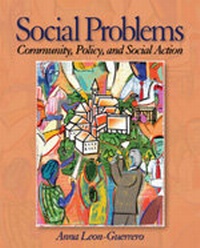
Social Problems
Community, Policy and Social Action
1st Edition
Published on 17. March 2005
Book
Paperback/Softback
488 pages
978-0-7619-8782-6 (ISBN)
Description
`I really like the community based approach. It offers students examples they can actually get their minds around better than some of the more large scale or abstract discussions; and shows them practical applications that many are likely to see in their own careers' - Heather Feldhaus-Smith, Bloomsburg University
Offering a sociological perspective on social problems, this book provides an awareness that our personal experiences with problems that may arise in families, the workplace, health and medicine, the media, cities and suburbs, or with drug abuse, poverty, crime, the environment, and war and terrorism are often caused by structural or social forces. Unlike other texts, the book offers a balanced view through examining both the problems and attempts to resolve these pervasive social issues.
Key Features:
- Chapters address consequences and responses to social problems with a particular focus on social policy, advocacy, and community innovation
- "Voices in the Community" sections provide testimony from individuals that express personal experiences of social problems both as victims and help-givers
- Themes of race, class, and gender are integrated throughout the book to provide a multicultural perspective on social problems
- "Putting It Together" exercises within chapters encourage students to do further analysis in their own communities, on their own campuses, or on the Web
- Discussions on social policies and solutions offered by federal and state law makers, community based agencies, and advocacy groups are included
- "Taking a World View" boxes in chapters provide a comparative perspective on related social problems in other countries
- Timely and relevant data is thoroughly interspersed in tables and maps throughout the book
- Visual essays have been developed for each chapter to highlight a particular social problem or solution. In some essays, real families and individuals facing the problems under study in the chapter are introduced.
- Companion student study site on the Web offers unique learning tools such as electronic flash cards, interactive quizzes, Web site resources, a community policy guide and projects, along with service learning activities to encourage student awareness of effective community responses to social problems
Social Problems is a timely text that ties into recent discussions within the discipline on the commitment to "public sociology." This book takes students out of the classroom, away from their texts, and into their communities. It will serve as a vital and invaluable text for students in social problems courses in sociology or social work.
Offering a sociological perspective on social problems, this book provides an awareness that our personal experiences with problems that may arise in families, the workplace, health and medicine, the media, cities and suburbs, or with drug abuse, poverty, crime, the environment, and war and terrorism are often caused by structural or social forces. Unlike other texts, the book offers a balanced view through examining both the problems and attempts to resolve these pervasive social issues.
Key Features:
- Chapters address consequences and responses to social problems with a particular focus on social policy, advocacy, and community innovation
- "Voices in the Community" sections provide testimony from individuals that express personal experiences of social problems both as victims and help-givers
- Themes of race, class, and gender are integrated throughout the book to provide a multicultural perspective on social problems
- "Putting It Together" exercises within chapters encourage students to do further analysis in their own communities, on their own campuses, or on the Web
- Discussions on social policies and solutions offered by federal and state law makers, community based agencies, and advocacy groups are included
- "Taking a World View" boxes in chapters provide a comparative perspective on related social problems in other countries
- Timely and relevant data is thoroughly interspersed in tables and maps throughout the book
- Visual essays have been developed for each chapter to highlight a particular social problem or solution. In some essays, real families and individuals facing the problems under study in the chapter are introduced.
- Companion student study site on the Web offers unique learning tools such as electronic flash cards, interactive quizzes, Web site resources, a community policy guide and projects, along with service learning activities to encourage student awareness of effective community responses to social problems
Social Problems is a timely text that ties into recent discussions within the discipline on the commitment to "public sociology." This book takes students out of the classroom, away from their texts, and into their communities. It will serve as a vital and invaluable text for students in social problems courses in sociology or social work.
Reviews / Votes
"'I really like the community based approach. It offers students examples they can actually get their minds around better than some of the more large scale or abstract discussions; and shows them practical applications that many are likely to see in their own careers' - Heather Feldhaus-Smith, Bloomsburg University"More details
Language
English
Place of publication
Thousand Oaks
United States
Target group
College/higher education
Dimensions
Height: 232 mm
Width: 187 mm
Weight
806 gr
ISBN-13
978-0-7619-8782-6 (9780761987826)
Copyright in bibliographic data and cover images is held by Nielsen Book Services Limited or by the publishers or by their respective licensors: all rights reserved.
Schweitzer Classification
Other editions
New editions
Book
07/2008
2nd Edition
Pine Forge
€69.59
Article exhausted; check for reprint
Person
Anna Leon-Guerrero is Professor of Sociology at Pacific Lutheran University in Washington. She received her PhD in sociology from the University of California-Los Angeles. She was the recipient of the university's Faculty Excellence Award and the K. T. Tang Award for Excellence. She is the author of and Social Problems: Community, Policy, and Social Action, 7th Edition, and co-author (with Chava Frankfort-Nachmias and Georgiann Davis) of Social Statistics for a Diverse Society, 10th Edition (both with Sage).
Content
Chapter 1: Sociology and the Study of Social Problems
Using our Sociological Imagination
What is a Social Problem?
Understanding the Sociological Perspective
The Transformation From Problem to Solution
Making Sociological Connections
Chapter 2: The Bases of Inequality: Social Class, Ethnicity, and Race
Why Does Social Inequality Exist?
How Are We Different?
Inequalities Based on Social Class
Inequalities Based on Ethnicity or Race
Policy Focus: Affirmative Action in the Workplace
Chapter 3: The Bases of Inequality II: Sex and Gender, Sexual Orientation, and Age
Inequalities Based on Sex and Gender
Policy Focus: Title IX
Inequalities Based on Sexual Orientation
Inequalities Based on Age
What Are Your Life Chances?
Chapter 4: Families
Myths of the Family
Sociological Perspectives on the Family
Problems in the American Family
Family Policy, Advocacy, and Innovation
Chapter 5: Education
The New Educational Standard
Sociological Perspectives on Education
Problems and Challenges in American Education
Education Policy, Advocacy, and Innovation
Chapter 6: The Workplace
The Changing Nature of Work
Sociological Perspectives on Work
Problems in the Workplace
Workplace Policy, Advocacy, and Innovation
Chapter 7: Health and Medicine
Sociological Perspectives on Health, Illness, and Medicine
Inequalities in Mortality and Morbidity
Other Health Care Problems
Health Care Policy, Advocacy, and Innovation
Chapter 8: Drug Abuse
Sociological Perspectives on Drug Abuse
What Is Drug Abuse?
The Problems of Drug Abuse
Drug Abuse Advocacy, Innovation, and Policy
Chapter 9: Poverty
Defining Poverty
Poverty in the United States
Explaining Poverty
The Consequences of Poverty and Welfare Reform
Poverty Policy, Advocacy, and Innovation
Chapter 10: Crime
Sociological Perspectives on Crime
Sources of Crime Statistics
Types of Crime
The Inequalities of Crime--Offenders and Victims
Our Current Response to Crime
Crime Policy, Advocacy, and Innovation
Chapter 11: The Media
Sociological Perspectives on the Media
The Media and Social Problems
Media Policy, Advocacy, and Innovation
Chapter 12: Cities and Suburbs
Urban Sociology and Demography
Sociological Perspectives on Urbanization
The Consequences of Urbanization
Urban and Community Policy, Advocacy, and Innovation
Chapter 13: The Environment
Environmental Problems Are Human Problems
Sociological Perspectives on Environmental
Social Problems and the Environment
Environmental Policy, Advocacy, and Innovation
Chapter 14: War and Terrorism
Defining Terrorism and War
Sociological Perspectives on Terrorism and War
The Problems of War and Terrorism
War and Terrorism Policy, Advocacy, and Innovation
a. Political diplomacy
Chapter 15: Social Problems and Social Action: Private Troubles versus Public Issues
Social Problems and Their Solutions
Understanding Social Movements
IV. How do social movements begin?
How Do Social Movements Begin?
How Have Reform Movements Made a Difference?
Making the Last Connection
Using our Sociological Imagination
What is a Social Problem?
Understanding the Sociological Perspective
The Transformation From Problem to Solution
Making Sociological Connections
Chapter 2: The Bases of Inequality: Social Class, Ethnicity, and Race
Why Does Social Inequality Exist?
How Are We Different?
Inequalities Based on Social Class
Inequalities Based on Ethnicity or Race
Policy Focus: Affirmative Action in the Workplace
Chapter 3: The Bases of Inequality II: Sex and Gender, Sexual Orientation, and Age
Inequalities Based on Sex and Gender
Policy Focus: Title IX
Inequalities Based on Sexual Orientation
Inequalities Based on Age
What Are Your Life Chances?
Chapter 4: Families
Myths of the Family
Sociological Perspectives on the Family
Problems in the American Family
Family Policy, Advocacy, and Innovation
Chapter 5: Education
The New Educational Standard
Sociological Perspectives on Education
Problems and Challenges in American Education
Education Policy, Advocacy, and Innovation
Chapter 6: The Workplace
The Changing Nature of Work
Sociological Perspectives on Work
Problems in the Workplace
Workplace Policy, Advocacy, and Innovation
Chapter 7: Health and Medicine
Sociological Perspectives on Health, Illness, and Medicine
Inequalities in Mortality and Morbidity
Other Health Care Problems
Health Care Policy, Advocacy, and Innovation
Chapter 8: Drug Abuse
Sociological Perspectives on Drug Abuse
What Is Drug Abuse?
The Problems of Drug Abuse
Drug Abuse Advocacy, Innovation, and Policy
Chapter 9: Poverty
Defining Poverty
Poverty in the United States
Explaining Poverty
The Consequences of Poverty and Welfare Reform
Poverty Policy, Advocacy, and Innovation
Chapter 10: Crime
Sociological Perspectives on Crime
Sources of Crime Statistics
Types of Crime
The Inequalities of Crime--Offenders and Victims
Our Current Response to Crime
Crime Policy, Advocacy, and Innovation
Chapter 11: The Media
Sociological Perspectives on the Media
The Media and Social Problems
Media Policy, Advocacy, and Innovation
Chapter 12: Cities and Suburbs
Urban Sociology and Demography
Sociological Perspectives on Urbanization
The Consequences of Urbanization
Urban and Community Policy, Advocacy, and Innovation
Chapter 13: The Environment
Environmental Problems Are Human Problems
Sociological Perspectives on Environmental
Social Problems and the Environment
Environmental Policy, Advocacy, and Innovation
Chapter 14: War and Terrorism
Defining Terrorism and War
Sociological Perspectives on Terrorism and War
The Problems of War and Terrorism
War and Terrorism Policy, Advocacy, and Innovation
a. Political diplomacy
Chapter 15: Social Problems and Social Action: Private Troubles versus Public Issues
Social Problems and Their Solutions
Understanding Social Movements
IV. How do social movements begin?
How Do Social Movements Begin?
How Have Reform Movements Made a Difference?
Making the Last Connection