


SA8000: The First Decade
Implementation, Influence, and Impact
1st Edition
Published on 1. May 2009
Book
Hardback
192 pages
978-1-906093-12-9 (ISBN)
Description
This is the first book in the field of corporate social responsibility to examine the progress of a standard over a ten-year period.
Published in late 1997 and revised in 2001, the Social Accountability 8000 (SA8000) standard and verification system is a comprehensive tool aiming to assure humane workplaces throughout the supply chain. The SA8000 system includes: factory-level management system requirements for ongoing compliance and continual improvement; independent, expert verification of compliance by certification bodies; the involvement of all key stakeholders in the SA8000 system; and harnessing consumer and investor concern by helping to identify and support companies that are committed to assuring human rights in the workplace. As of 31 December 2007, nearly 700,000 workers were employed in 1,500 facilities certified to SA8000, in 65 countries and 67 industrial sectors.
Ten years on, what has the impact of SA8000 been and how do its architects and users see it developing into the future? In this book, businesses, NGOs, academics and trade union leaders provide much-needed perspective on the lessons learned from SA8000 and set an agenda for the next decade. The book also provides context on the leading initiatives within the field of CSR (such as ISO 26000 and the Business for Social Compliance Initiative) and how they relate to SA8000. The book features case studies on the experiences of a wide range of companies, including Gucci, The GAP, Chiquita, TNT, Tata and Otto Versand, and on many of the most innovative programmes in the field of CSR, such as the Made-By label. Analysts from emerging economies provide valuable insights into how SA8000 has become a key tool in Brazil and India. The book addresses many of the key themes for corporate responsibility such as traceability, supply chain management and transparency.
SA8000: The First Decade provides insights for company managers, NGOs, policy-makers and trade union leaders on how to implement a social standard and will be required reading for any manager seeking to implement SA8000 or any other code of conduct or standard for their suppliers.
Deborah Leipziger is well known for her book The Corporate Responsibility Code Book, published in 2003 and considered to be one of the key reference books in the field of CSR. SA8000: The First Decade is an extension of Ms Leipziger's work over a 17-year career in the field of CSR, in which she has played a role in the development of many social standards, including SA8000 and the Ethical Trading Initiative, and advised many others.
Published in late 1997 and revised in 2001, the Social Accountability 8000 (SA8000) standard and verification system is a comprehensive tool aiming to assure humane workplaces throughout the supply chain. The SA8000 system includes: factory-level management system requirements for ongoing compliance and continual improvement; independent, expert verification of compliance by certification bodies; the involvement of all key stakeholders in the SA8000 system; and harnessing consumer and investor concern by helping to identify and support companies that are committed to assuring human rights in the workplace. As of 31 December 2007, nearly 700,000 workers were employed in 1,500 facilities certified to SA8000, in 65 countries and 67 industrial sectors.
Ten years on, what has the impact of SA8000 been and how do its architects and users see it developing into the future? In this book, businesses, NGOs, academics and trade union leaders provide much-needed perspective on the lessons learned from SA8000 and set an agenda for the next decade. The book also provides context on the leading initiatives within the field of CSR (such as ISO 26000 and the Business for Social Compliance Initiative) and how they relate to SA8000. The book features case studies on the experiences of a wide range of companies, including Gucci, The GAP, Chiquita, TNT, Tata and Otto Versand, and on many of the most innovative programmes in the field of CSR, such as the Made-By label. Analysts from emerging economies provide valuable insights into how SA8000 has become a key tool in Brazil and India. The book addresses many of the key themes for corporate responsibility such as traceability, supply chain management and transparency.
SA8000: The First Decade provides insights for company managers, NGOs, policy-makers and trade union leaders on how to implement a social standard and will be required reading for any manager seeking to implement SA8000 or any other code of conduct or standard for their suppliers.
Deborah Leipziger is well known for her book The Corporate Responsibility Code Book, published in 2003 and considered to be one of the key reference books in the field of CSR. SA8000: The First Decade is an extension of Ms Leipziger's work over a 17-year career in the field of CSR, in which she has played a role in the development of many social standards, including SA8000 and the Ethical Trading Initiative, and advised many others.
Reviews / Votes
The SA8000 Social Accountability Standard is one of the best known and most comprehensive social auditing standards. It draws from the Universal Declaration of Human Rights, the Convention for the Rights of the Child and a number of ILO Conventions. The first Standard was published in 1997 and revised in 2001 by Social Accountability International (SAI). To celebrate its 10 years of existence, Deborah Leipziger has brought together various stakeholders who have used SA8000 in the past in this interesting, if somewhat biased book. One of the reasons for SA8000's success and longevity has been its ability to bring together a wide range of different stakeholders, such as companies, trade unions, auditors, NGOs, consultants and academics. All these different perspectives are represented in the book, with a strong emphasis in the first half of the book on corporate case studies. TNT, Tata, Otto, Gucci, Gap and Chiquita all share their valuable insights on working with SA8000 and integrating it within their Corporate Responsibility activities. These contributions offer real insight into the merits of SA8000. There are also chapters on how business associations and not for profit organisations have tapped into the SAI network and used the standard. The book does address some of the criticisms of voluntary certification in general and SA800 in particular, such as the difficulty in measuring its impact, but understandably focuses more on its achievements rather than its faults. If you're interested, ERM has published a critical assessment of some of SA8000's weaknesses. Nevertheless, this remains a good read for those interested in social auditing and certification. -- Oliver Dudok Van Heel, Founder, Living Values * <i>CSR International Book Review Digest</i>, July 2009 *More details
Language
English
Place of publication
Saltaire
United Kingdom
Publishing group
Taylor & Francis Ltd
Dimensions
Height: 234 mm
Width: 156 mm
Weight
1170 gr
ISBN-13
978-1-906093-12-9 (9781906093129)
Copyright in bibliographic data and cover images is held by Nielsen Book Services Limited or by the publishers or by their respective licensors: all rights reserved.
Schweitzer Classification
Other editions
Additional editions
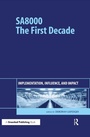
E-Book
09/2017
Routledge
€76.49
Available for download
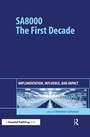
E-Book
09/2017
Routledge
€76.49
Available for download
Person
Deborah Leipziger is a consultant in the field of CSR. She is the author of The Corporate Responsibility Code Book and she advises companies, UN agencies, governments, and NGOs on CSR issues.
Content
Foreword
Partha Sengupta, Vice President Corporate Services and SA8000 Management Representative, Tata Steel Limited, India
Introduction: Open-eyed management
Alice Tepper Marlin, President, Social Accountability International, United States, and John Tepper Marlin, Principal, CSRNYC, and Adjunct Professor, New York University Stern School, United States
Part I: Implementation
1. TNT and SA8000
Mike Patrick, TNT Express
2. SA8000 in Tata Steel: Developing process-driven sustainability approaches
Priyadarshini Sharma, Tata Steel, India
3. OTTO and SA8000: A pilot project in the lingerie-buying department
Johannes Merck, Otto Group, Germany
4. Gucci and corporate social responsibility
Franco Furno and Stefania Orselli, Gucci, Italy
5. Gap Inc.'s journey toward corporate social responsibility
Dan Henkle, Gap Inc., United States
6. Chiquita and corporate responsibility: The fruits of our experience
George Jaksch, Chiquita International S.G., Belgium
7. Business Social Compliance Initiative: The development approach to SA8000 for commerce and manufacturers
Lorenz Berzau, Foreign Trade Association, Belgium
8. Key performance indicators for social compliance in the supply chain
Craig Moss, Social Accountability International, United States
Part II: Influence
9. MADE-BY China: A joint effort of Social Accountability International and Solidaridad in China
Janet Mensink, Solidaridad, The Netherlands; Martin Ma, Social Accountability International, China; and Mark Huis in't Veld, MADE-BY
10. NGO accountability: Certifying child sponsorship charities
Eileen Kohl Kaufman, Social Accountability International, United States
11. Social Accountability International and social entrepreneurship
Morton Emanuel Winston, The College of New Jersey, United States
Part III: Impact
12. The ISEAL Alliance: setting standards for social and environmental change
Paloma Raggo, Maxwell School of Citizenship and Public Affairs, Syracuse University, United States
13. Evaluating the impact of SA8000 certification
Michael J. Hiscox and Claire Schwartz, Department of Government, Harvard University, United States, and Michael W. Toffel, Harvard Business School, United States
14. ISO 26000 and SA8000
Deborah Leipziger, CSR consultant, United States
15. The impact of SA8000 in Brazil
Beat Grueninger, BSD Consulting, Brazil
About the contributors
Index
Partha Sengupta, Vice President Corporate Services and SA8000 Management Representative, Tata Steel Limited, India
Introduction: Open-eyed management
Alice Tepper Marlin, President, Social Accountability International, United States, and John Tepper Marlin, Principal, CSRNYC, and Adjunct Professor, New York University Stern School, United States
Part I: Implementation
1. TNT and SA8000
Mike Patrick, TNT Express
2. SA8000 in Tata Steel: Developing process-driven sustainability approaches
Priyadarshini Sharma, Tata Steel, India
3. OTTO and SA8000: A pilot project in the lingerie-buying department
Johannes Merck, Otto Group, Germany
4. Gucci and corporate social responsibility
Franco Furno and Stefania Orselli, Gucci, Italy
5. Gap Inc.'s journey toward corporate social responsibility
Dan Henkle, Gap Inc., United States
6. Chiquita and corporate responsibility: The fruits of our experience
George Jaksch, Chiquita International S.G., Belgium
7. Business Social Compliance Initiative: The development approach to SA8000 for commerce and manufacturers
Lorenz Berzau, Foreign Trade Association, Belgium
8. Key performance indicators for social compliance in the supply chain
Craig Moss, Social Accountability International, United States
Part II: Influence
9. MADE-BY China: A joint effort of Social Accountability International and Solidaridad in China
Janet Mensink, Solidaridad, The Netherlands; Martin Ma, Social Accountability International, China; and Mark Huis in't Veld, MADE-BY
10. NGO accountability: Certifying child sponsorship charities
Eileen Kohl Kaufman, Social Accountability International, United States
11. Social Accountability International and social entrepreneurship
Morton Emanuel Winston, The College of New Jersey, United States
Part III: Impact
12. The ISEAL Alliance: setting standards for social and environmental change
Paloma Raggo, Maxwell School of Citizenship and Public Affairs, Syracuse University, United States
13. Evaluating the impact of SA8000 certification
Michael J. Hiscox and Claire Schwartz, Department of Government, Harvard University, United States, and Michael W. Toffel, Harvard Business School, United States
14. ISO 26000 and SA8000
Deborah Leipziger, CSR consultant, United States
15. The impact of SA8000 in Brazil
Beat Grueninger, BSD Consulting, Brazil
About the contributors
Index