

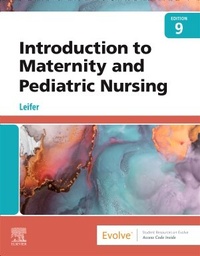
Introduction to Maternity and Pediatric Nursing
9th Edition
Published on 19. October 2022
Book
Paperback/Softback
880 pages
978-0-323-82680-8 (ISBN)
Description
Build the knowledge and clinical judgment you need to succeed in maternity and pediatric nursing! Written in a clear, easy-to-read style, Introduction to Maternity and Pediatric Nursing, 9th Edition describes how you can provide effective, evidence-based care for women during pregnancy, labor, and delivery, and for newborns and growing children. The text spans the continuum of child development, organizing topics from simple to complex and from health to illness; this approach makes it easy to locate information. Another hallmark of the book is its strong focus on family-centered care, health promotion, and illness prevention. Written by noted nursing educator Gloria Leifer, this bestselling text includes new Next-Generation NCLEX (R) exam-style case studies plus updates on infection control, pandemic responses, and more.
Unfolding case studies follow one family through the conception and birth process, and include open-ended critical thinking questions applying the content to practice
More than 25 nursing care plans include nursing diagnoses plus goals, nursing interventions, and rationales, along with critical thinking questions to promote clinical decision-making skills
Detailed nursing skills cover a wide range of maternal and pediatric nursing interventions
Safety alerts highlight the importance of protecting patients and others from accidents, medication errors, and the spread of disease
Nursing tips include practical, evidence-based information applicable in the clinical setting
Nursing guidelines reflect the World Health Organization's Baby Friendly Hospital Initiative, alternative therapies, immunization mandates, emergency preparedness, preventing medication errors, and more
Get Ready for the NCLEX (R) Examination! at the end of each chapter includes a summary of key points, additional online resources, review questions, and critical thinking questions
Cultural Considerations boxes help you address the needs of culturally diverse patients and families
Patient Teaching boxes help you communicate instructions for self-care with patients and families
Medication tables provide quick access to information about commonly used medications
NEW! Next-Generation NCLEX (R) examination-style case studies include new-format questions to help you prepare for the licensure examination
NEW! Discussion of the NCSBN Clinical Judgment Measurement Model helps you learn decision making and develop the skills needed to plan effective nursing interventions
NEW! Thorough updates include infection control, pandemic responses, pharmacologic tables, and pediatric treatments
Unfolding case studies follow one family through the conception and birth process, and include open-ended critical thinking questions applying the content to practice
More than 25 nursing care plans include nursing diagnoses plus goals, nursing interventions, and rationales, along with critical thinking questions to promote clinical decision-making skills
Detailed nursing skills cover a wide range of maternal and pediatric nursing interventions
Safety alerts highlight the importance of protecting patients and others from accidents, medication errors, and the spread of disease
Nursing tips include practical, evidence-based information applicable in the clinical setting
Nursing guidelines reflect the World Health Organization's Baby Friendly Hospital Initiative, alternative therapies, immunization mandates, emergency preparedness, preventing medication errors, and more
Get Ready for the NCLEX (R) Examination! at the end of each chapter includes a summary of key points, additional online resources, review questions, and critical thinking questions
Cultural Considerations boxes help you address the needs of culturally diverse patients and families
Patient Teaching boxes help you communicate instructions for self-care with patients and families
Medication tables provide quick access to information about commonly used medications
NEW! Next-Generation NCLEX (R) examination-style case studies include new-format questions to help you prepare for the licensure examination
NEW! Discussion of the NCSBN Clinical Judgment Measurement Model helps you learn decision making and develop the skills needed to plan effective nursing interventions
NEW! Thorough updates include infection control, pandemic responses, pharmacologic tables, and pediatric treatments
More details
Edition
9th edition
Language
English
Place of publication
Philadelphia
United States
Publishing group
Elsevier - Health Sciences Division
Target group
College/higher education
Illustrations
Approx. 625 illustrations (625 in full color); Illustrations
Dimensions
Height: 276 mm
Width: 216 mm
Weight
1810 gr
ISBN-13
978-0-323-82680-8 (9780323826808)
Copyright in bibliographic data and cover images is held by Nielsen Book Services Limited or by the publishers or by their respective licensors: all rights reserved.
Schweitzer Classification
Other editions
New editions
Kim Cooper | Kelly Gosnell
Leifer's Introduction to Maternity and Pediatric Nursing
Book
03/2025
10th Edition
Churchill Livingstone
€108.50
Shipment within 15-20 days
Previous edition
Gloria Leifer
Introduction to Maternity and Pediatric Nursing
Book
11/2018
8th Edition
Saunders
€99.03
Article exhausted; check for reprint
Person
Gloria Leifer, MA, RN, CNE, is a professor of obstetric and pediatric nursing at Riverside City College in Riverside, California. Gloria has been the lead author on this title for all eight editions.
Content
UNIT I AN OVERVIEW OF MATERNITY AND PEDIATRIC NURSING
1. The Past, Present, and Future
UNIT II MATERNAL-NEWBORN NURSING AND WOMEN'S HEALTH
2. Human Reproductive Anatomy and Physiology
3. Fetal Development
4. Prenatal Care and Adaptations to Pregnancy
5. Nursing Care of Women with Complications During Pregnancy
6. Nursing Care of Mother and Infant During Labor and Birth
7. Nursing Management of Pain During Labor and Birth
8. Nursing Care of Women with Complications During Labor and Birth
9. The Family After Birth
10. Nursing Care of Women with Complications After Birth
11. The Nurse's Role in Women's Health Care
12. The Term Newborn
13. Preterm and Postterm Newborns
14. The Newborn with a Perinatal Injury or Congenital Malformation
UNIT III THE GROWING CHILD AND FAMILY
15. An Overview of Growth, Development, and Nutrition
16. The Infant
17. The Toddler
18. The Preschool Child
19. The School-Age Child
20. The Adolescent
UNIT IV ADAPTING CARE TO THE PEDIATRIC PATIENT
21. The Child's Experience of Hospitalization
22. Health Care Adaptations for the Child and Family
UNIT V THE CHILD NEEDING NURSING CARE
23. The Child with a Sensory or Neurological Condition
24. The Child with a Musculoskeletal Condition
25. The Child with a Respiratory Disorder
26. The Child with a Cardiovascular Disorder
27. The Child with a Condition of the Blood, Blood-Forming Organs, or Lymphatic System
28. The Child with a Gastrointestinal Condition
29. The Child with a Genitourinary Condition
30. The Child with a Skin Condition
31. The Child with a Metabolic Condition
32. Childhood Communicable Diseases, Bioterrorism, Natural Disasters, and the Maternal-Child Patient
33. The Child with an Emotional or Behavioral Condition
UNIT VI THE CHANGING HEALTH CARE ENVIRONMENT
34 .Complementary and Alternative Therapies in Maternity and Pediatric Nursing
1. The Past, Present, and Future
UNIT II MATERNAL-NEWBORN NURSING AND WOMEN'S HEALTH
2. Human Reproductive Anatomy and Physiology
3. Fetal Development
4. Prenatal Care and Adaptations to Pregnancy
5. Nursing Care of Women with Complications During Pregnancy
6. Nursing Care of Mother and Infant During Labor and Birth
7. Nursing Management of Pain During Labor and Birth
8. Nursing Care of Women with Complications During Labor and Birth
9. The Family After Birth
10. Nursing Care of Women with Complications After Birth
11. The Nurse's Role in Women's Health Care
12. The Term Newborn
13. Preterm and Postterm Newborns
14. The Newborn with a Perinatal Injury or Congenital Malformation
UNIT III THE GROWING CHILD AND FAMILY
15. An Overview of Growth, Development, and Nutrition
16. The Infant
17. The Toddler
18. The Preschool Child
19. The School-Age Child
20. The Adolescent
UNIT IV ADAPTING CARE TO THE PEDIATRIC PATIENT
21. The Child's Experience of Hospitalization
22. Health Care Adaptations for the Child and Family
UNIT V THE CHILD NEEDING NURSING CARE
23. The Child with a Sensory or Neurological Condition
24. The Child with a Musculoskeletal Condition
25. The Child with a Respiratory Disorder
26. The Child with a Cardiovascular Disorder
27. The Child with a Condition of the Blood, Blood-Forming Organs, or Lymphatic System
28. The Child with a Gastrointestinal Condition
29. The Child with a Genitourinary Condition
30. The Child with a Skin Condition
31. The Child with a Metabolic Condition
32. Childhood Communicable Diseases, Bioterrorism, Natural Disasters, and the Maternal-Child Patient
33. The Child with an Emotional or Behavioral Condition
UNIT VI THE CHANGING HEALTH CARE ENVIRONMENT
34 .Complementary and Alternative Therapies in Maternity and Pediatric Nursing