

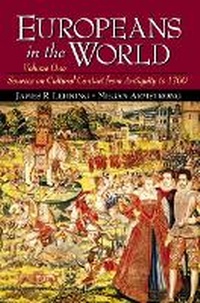
Europeans in the World
Sources on Cultural Contact, Volume 1 (From Antiquity to 1700)
Published on 14. August 2003
Book
Paperback/Softback
352 pages
978-0-13-091269-5 (ISBN)
Unfortunately, price unknown
Article is exhausted; no reprint
Description
This reader focuses on the relations between European civilization and the rest of the world. It chronologically organizes material from antiquity to the present. It presents excerpts from primary source texts, written documents, and visual images, and pays particular attention to providing materials that reflect a diverse set of experiences. Themes such as politics, gender, religion, and ethnicity in non-European parts of the world enable students to place European history in its larger global context.
More details
Language
English
Place of publication
United States
Publishing group
Pearson Education (US)
Target group
Professional and scholarly
Dimensions
Height: 229 mm
Width: 152 mm
Weight
1000 gr
ISBN-13
978-0-13-091269-5 (9780130912695)
Copyright in bibliographic data and cover images is held by Nielsen Book Services Limited or by the publishers or by their respective licensors: all rights reserved.
Schweitzer Classification
Content
1. Ancient Near East, 300BC -700BC .
1. Legend of Sargon. 2. Enmerkar and the Lord of Aratta. 3. Laws of Eshnunna. 4. The Amarna Letters. 5. Book of Isaiah. 6. Clay Tablet, Sumerian.
2. Classical World, 700BC-500AD.
1. Homer, The Odyssey. 2. Herodotus, Histories. 3. Pliny the Elder, Natural History. 4. Egeria, Diary of a Pilgrimage. 5. Euclid, Geometry.
3. Early Medieval Europe, 500-1000AD.
1. Gregory of Tours, History of the Franks. 2. Rule of Saint Benedict. 3. Salic Law. 4. Vita Anskarii. 5. Illustrated Leaf of Medieval Bible.
4. Encounters with the East, 1100-1400AD.
1. The Travels of Ibn Jubayer (1145-1217). 2. Friar Jordanus, The Wonders of the East. 3. Ibn Battuta, The Travels of Ibn Battuta. 4. Ramon Llull, The Book of the Lover and the Beloved. 5. Pilgrim's Qu'ran.
5. Eastern Influence on Europe, 1100-1400AD.
1. Giovanni Villani, Chronicle. 2. Justinian Code. 3. Averroes. On the Harmony of Religion and Philosophy. 4. Thomas Aquinas, Summa Theologica. 5. Islamic astronomy text. Ibn Ezra, Abraham ben Meir. De nativitatibus.
6. General World View on the Eve of Exploration, 1480-1600AD.
1. The Travels of Sir John Mandeville. 2. Strabo, Geography. 3. Giovanni Pico della Mirandola, On the Dignity of Man. 4. Desiderius Erasmus, In Praise of Folly. 5. Sailing beyond the Pillars of Hercules. Francis Bacon, Novum Organuum.
7. Early Modern Contact, 1500-1700AD.
1. Gasper Correa, Lendas da India. 2. Bartolome de Las Casas, The Journal of his First Voyage. 3. Hernan Cortes, The Letters of Cortes. 4. Jacques Cartier, The Second Voyage of Jacques Cartier. 5. Leo Africanus, Wasf Ifriqiya: The History and Description of Africa. 6. Spanish subjugation of the New World. Herman Cortes, Historia de Nueva-Espana.
8. The New World: Barbarian, Slave or Subject? 1500-1700AD.
1. Pope Alexander VI, Inter caetera. 2. Bartolome de Las Casas, Tears of the Indians. 3. Florentine Codex. 4. Michel de Montaigne, On Cannibals. 5. Thomas Morton, New English Canaan. 6. A Secota Village.
9. Early Colonization, 1500-1700AD.
1. The Requermiento 2. Ynca Garcilazo de la Vega, The Royal Commentaries. 3. Journal of Jan Van Riebeeck. 4. Thomas Hariot, Narrative of the first English Plantation of Virginia. 5. Clay Stamp with Jaguar Design.
10. Evangelization, 1500-1700AD.
1. Matteo Ricci, Journals. 2. Diego da Landa, Account of the Yucatan. 3. Jesuit Relations. 4. John Winthrop, A Model of Christian Charity. 5. The burning of a heretic in early colonial Mexico.
11. The Influence of Exploration on Europe, 1500-1700AD.
1. Richard Hakluyt, Voyages. 2. Galileo Galilei, Dialogues on Two New Sciences. 3. John Locke, An Essay Concerning Human Understanding. 4. Mercure de France, Relation of the arrival in France of four Savages of Mississippi (1725). 5. Maize depicted in the sixteenth century herbal by Leonhart Fuchs, De historia stirpium commentarii insignes...(1542).
12. Fictionalizing the World, 1500-1700AD.
1. Thomas More, Utopia. 2. William Shakespeare, The Tempest. 3. Cyrano de Bergerac, Voyage to the Moon. 4. Jonathan Swift, Gulliver's Travels. 5. Cyrano de Bergerac flying to the moon.
13. Women and Colonization, 1500-1700AD.
1. Bernal Diaz del Castillo, The Conquest of New Spain. 2. Marie de l'Incarnacion, Letters. 3. Mary Rowlandson, A New England Captivity. 4. Pierre de Charlevoix, Iroquois Women in Government. 5. Image of colonial women spinning.
14. The Plantation Complex and the Slave Trade, 1650-1800.
1. William Dampier, A Voyage to New-Holland in the Year 1699. 2. Alexander Falconbridge, An Account of the Slave Trade on the Coast of Africa. 3. The Interesting Narrative of the Life of Olaudah Equiano, written by himself. 4 Letter to South Carolina Gazette concerning slave trade. 5. The Slave Coffle in Africa in the Eighteenth-Century.
1. Legend of Sargon. 2. Enmerkar and the Lord of Aratta. 3. Laws of Eshnunna. 4. The Amarna Letters. 5. Book of Isaiah. 6. Clay Tablet, Sumerian.
2. Classical World, 700BC-500AD.
1. Homer, The Odyssey. 2. Herodotus, Histories. 3. Pliny the Elder, Natural History. 4. Egeria, Diary of a Pilgrimage. 5. Euclid, Geometry.
3. Early Medieval Europe, 500-1000AD.
1. Gregory of Tours, History of the Franks. 2. Rule of Saint Benedict. 3. Salic Law. 4. Vita Anskarii. 5. Illustrated Leaf of Medieval Bible.
4. Encounters with the East, 1100-1400AD.
1. The Travels of Ibn Jubayer (1145-1217). 2. Friar Jordanus, The Wonders of the East. 3. Ibn Battuta, The Travels of Ibn Battuta. 4. Ramon Llull, The Book of the Lover and the Beloved. 5. Pilgrim's Qu'ran.
5. Eastern Influence on Europe, 1100-1400AD.
1. Giovanni Villani, Chronicle. 2. Justinian Code. 3. Averroes. On the Harmony of Religion and Philosophy. 4. Thomas Aquinas, Summa Theologica. 5. Islamic astronomy text. Ibn Ezra, Abraham ben Meir. De nativitatibus.
6. General World View on the Eve of Exploration, 1480-1600AD.
1. The Travels of Sir John Mandeville. 2. Strabo, Geography. 3. Giovanni Pico della Mirandola, On the Dignity of Man. 4. Desiderius Erasmus, In Praise of Folly. 5. Sailing beyond the Pillars of Hercules. Francis Bacon, Novum Organuum.
7. Early Modern Contact, 1500-1700AD.
1. Gasper Correa, Lendas da India. 2. Bartolome de Las Casas, The Journal of his First Voyage. 3. Hernan Cortes, The Letters of Cortes. 4. Jacques Cartier, The Second Voyage of Jacques Cartier. 5. Leo Africanus, Wasf Ifriqiya: The History and Description of Africa. 6. Spanish subjugation of the New World. Herman Cortes, Historia de Nueva-Espana.
8. The New World: Barbarian, Slave or Subject? 1500-1700AD.
1. Pope Alexander VI, Inter caetera. 2. Bartolome de Las Casas, Tears of the Indians. 3. Florentine Codex. 4. Michel de Montaigne, On Cannibals. 5. Thomas Morton, New English Canaan. 6. A Secota Village.
9. Early Colonization, 1500-1700AD.
1. The Requermiento 2. Ynca Garcilazo de la Vega, The Royal Commentaries. 3. Journal of Jan Van Riebeeck. 4. Thomas Hariot, Narrative of the first English Plantation of Virginia. 5. Clay Stamp with Jaguar Design.
10. Evangelization, 1500-1700AD.
1. Matteo Ricci, Journals. 2. Diego da Landa, Account of the Yucatan. 3. Jesuit Relations. 4. John Winthrop, A Model of Christian Charity. 5. The burning of a heretic in early colonial Mexico.
11. The Influence of Exploration on Europe, 1500-1700AD.
1. Richard Hakluyt, Voyages. 2. Galileo Galilei, Dialogues on Two New Sciences. 3. John Locke, An Essay Concerning Human Understanding. 4. Mercure de France, Relation of the arrival in France of four Savages of Mississippi (1725). 5. Maize depicted in the sixteenth century herbal by Leonhart Fuchs, De historia stirpium commentarii insignes...(1542).
12. Fictionalizing the World, 1500-1700AD.
1. Thomas More, Utopia. 2. William Shakespeare, The Tempest. 3. Cyrano de Bergerac, Voyage to the Moon. 4. Jonathan Swift, Gulliver's Travels. 5. Cyrano de Bergerac flying to the moon.
13. Women and Colonization, 1500-1700AD.
1. Bernal Diaz del Castillo, The Conquest of New Spain. 2. Marie de l'Incarnacion, Letters. 3. Mary Rowlandson, A New England Captivity. 4. Pierre de Charlevoix, Iroquois Women in Government. 5. Image of colonial women spinning.
14. The Plantation Complex and the Slave Trade, 1650-1800.
1. William Dampier, A Voyage to New-Holland in the Year 1699. 2. Alexander Falconbridge, An Account of the Slave Trade on the Coast of Africa. 3. The Interesting Narrative of the Life of Olaudah Equiano, written by himself. 4 Letter to South Carolina Gazette concerning slave trade. 5. The Slave Coffle in Africa in the Eighteenth-Century.