

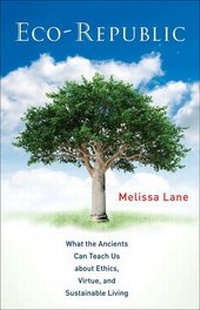
Eco-Republic
What the Ancients Can Teach Us about Ethics, Virtue, and Sustainable Living
Published on 17. October 2011
Book
Hardback
264 pages
978-0-691-15124-3 (ISBN)
Description
An ecologically sustainable society cannot be achieved without citizens who possess the virtues and values that will foster it, and who believe that individual actions can indeed make a difference. Eco-Republic draws on ancient Greek thought--and Plato's Republic in particular--to put forward a new vision of citizenship that can make such a society a reality. Melissa Lane develops a model of a society whose health and sustainability depend on all its citizens recognizing a shared standard of value and shaping their personal goals and habits accordingly. Bringing together the moral and political ideas of the ancients with the latest social and psychological theory, Lane illuminates the individual's vital role in social change, and articulates new ways of understanding what is harmful and what is valuable, what is a benefit and what is a cost, and what the relationship between public and private well-being ought to be. Eco-Republic reveals why we must rethink our political imagination if we are to meet the challenges of climate change and other urgent environmental concerns. Offering a unique reflection on the ethics and politics of sustainability, the book goes beyond standard approaches to virtue ethics in philosophy and current debates about happiness in economics and psychology. Eco-Republic explains why health is a better standard than happiness for capturing the important links between individual action and social good, and diagnoses the reasons why the ancient concept of virtue has been sorely neglected yet is more relevant today than ever.
More details
Person
Content
Acknowledgements vii
Part I INERTIA 1
Prologue to Chapter 1: Plato?s Cave 3
Chapter 1: Introduction: Inertia as Failure of the Political Imagination 7
An Unconsciously Platonic Prologue to Chapter 2: Carbon Detox 27
Chapter 2:From Greed to Glory: Ancient to Modern Ethics ? and Back Again? 29
Prologue to Chapter 3: Plato?s Ring of Gyges 47
Chapter 3: Underpinning Inertia: The Idea of Negligibility 51
Part II IMAGINATION 77
Prologue to Chapter 4: Post-Platonic Perspectives on the Republic 79
Chapter 4: Meet Plato?s Republic 83
Prologue to Chapter 5: Plato on Why Virtue Matters 99
Chapter 5: The City and the Soul 101
Prologue to Chapter 6: Plato?s Idea of the Good 127
Chapter 6: The Idea of the Good 133
Part III INITIATIVE 157
Prologue to Chapter 7: Revisiting Plato?s Cave 159
Chapter 7: Initiative and Individuals: A (Partly) Platonic Political Project 163
Notes 187
Works Cited 219
Index 235
Part I INERTIA 1
Prologue to Chapter 1: Plato?s Cave 3
Chapter 1: Introduction: Inertia as Failure of the Political Imagination 7
An Unconsciously Platonic Prologue to Chapter 2: Carbon Detox 27
Chapter 2:From Greed to Glory: Ancient to Modern Ethics ? and Back Again? 29
Prologue to Chapter 3: Plato?s Ring of Gyges 47
Chapter 3: Underpinning Inertia: The Idea of Negligibility 51
Part II IMAGINATION 77
Prologue to Chapter 4: Post-Platonic Perspectives on the Republic 79
Chapter 4: Meet Plato?s Republic 83
Prologue to Chapter 5: Plato on Why Virtue Matters 99
Chapter 5: The City and the Soul 101
Prologue to Chapter 6: Plato?s Idea of the Good 127
Chapter 6: The Idea of the Good 133
Part III INITIATIVE 157
Prologue to Chapter 7: Revisiting Plato?s Cave 159
Chapter 7: Initiative and Individuals: A (Partly) Platonic Political Project 163
Notes 187
Works Cited 219
Index 235