


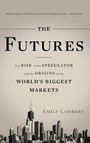
The Futures
The Rise of the Speculator and the Origins of the World's Biggest Markets
Published on 28. December 2010
Book
Hardback
240 pages
978-0-465-01843-7 (ISBN)
Description
Forbes magazine's Emily Lambert take us behind the scenes of the biggest markets in the world and into the oversize personalities of the men who make them happen. Commodities exchanges have become some of the largest financial markets in our global economic system, yet the exchanges themselves and the speculators who run them remain largely misunderstood, often reviled by a public that thinks they serve no useful function other than a kind of private gambling pool. In "The Futures", Forbes magazine senior writer Emily Lambert clears away the fog that clouds our understanding of the risks and opportunities these markets, and their chief instrument - the futures contract - provide us. Lambert tells us the rich and dramatic history of the Chicago Mercantile Exchange, the original (and later, largest) futures market, established in 1898 by farmers and gamblers looking to hedge their risk. Speculators-vilified by the general public for creating scarcity, driving up prices, and getting rich off the backs of consumers-rocked the world of agriculture by creating new methods of betting on prices.
The Merc, as it is known, also provided the blueprint for other similar exchanges all over the world. Even as the futures technologies became increasingly complicated, some traders have shaken the world again by applying the same methods to trading carbon and other pollutants - a revolution that some hope will save the planet. Tying the Merc to today's financial crisis, Lambert shows the disastrous effects when the Merc's technological advances - like ultra-high-speed trading - escaped the small social club that is the Chicago Merc and made their way to New York, where Wall Streeters took full advantage of them. Without any of the checks that had developed over time in the Merc's small, close-knit society of traders, these technologies ran rampant and helped contribute to the collapse of the world's financial system.
The Merc, as it is known, also provided the blueprint for other similar exchanges all over the world. Even as the futures technologies became increasingly complicated, some traders have shaken the world again by applying the same methods to trading carbon and other pollutants - a revolution that some hope will save the planet. Tying the Merc to today's financial crisis, Lambert shows the disastrous effects when the Merc's technological advances - like ultra-high-speed trading - escaped the small social club that is the Chicago Merc and made their way to New York, where Wall Streeters took full advantage of them. Without any of the checks that had developed over time in the Merc's small, close-knit society of traders, these technologies ran rampant and helped contribute to the collapse of the world's financial system.
More details
Other editions
Additional editions
E-Book
12/2010
Basic Books
€10.99
Available for download
Person
Emily Lambert is senior writer for Forbes magazine, where she covers finance and trading. She has also written for the New York Post. She lives in Chicago.