

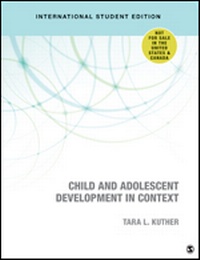
Child and Adolescent Development in Context - International Student Edition
1st Edition
Published on 23. January 2020
Book
Paperback/Softback
600 pages
978-1-0718-0804-7 (ISBN)
Description
Like children themselves, development is dynamic. In the chronologically organized Child and Adolescent Development: Lives in Context, award-winning author Tara L. Kuther frames development research in real-life contexts, including gender, race and ethnicity, socioeconomic status, and more. Kuther presents highly relatable examples, vivid cross-cultural stories, and Lives in Context video case studies of real individuals, consistently prompting students to reflect on chapter content with What do you think? questions. The book emphasizes three core themes: the centrality of context, the importance of research, and the applied value of developmental science; students will come away with an understanding of these themes that they will immediately be able to apply to their own lives and future careers.
INSTRUCTORS: Child and Adolescent Development is accompanied by a complete teaching and learning package!
SAGE coursepacks makes it easy to import our quality instructor and student resource content into your school's learning management system (LMS). Intuitive and simple to use, SAGE coursepacks allows you to customize course content to meet your students' needs. Learn more.
SAGE edge
This open access site offers students a robust online environment with an impressive array of learning resources. Learn more.
INSTRUCTORS: Child and Adolescent Development is accompanied by a complete teaching and learning package!
SAGE coursepacks makes it easy to import our quality instructor and student resource content into your school's learning management system (LMS). Intuitive and simple to use, SAGE coursepacks allows you to customize course content to meet your students' needs. Learn more.
SAGE edge
This open access site offers students a robust online environment with an impressive array of learning resources. Learn more.
More details
Edition
International Student Edition
Language
English
Place of publication
Thousand Oaks
United States
Target group
College/higher education
Dimensions
Height: 276 mm
Width: 213 mm
Weight
1452 gr
ISBN-13
978-1-0718-0804-7 (9781071808047)
Copyright in bibliographic data and cover images is held by Nielsen Book Services Limited or by the publishers or by their respective licensors: all rights reserved.
Schweitzer Classification
Person
Tara L. Kuther is professor of psychology at Western Connecticut State University where she has taught courses in child, adolescent, and adult development for 30 years. She earned her PhD in developmental psychology at Fordham University. Dr. Kuther is fellow of the Society for the Teaching of Psychology (APA, Division 2), has served in various capacities in the Society for the Teaching of Psychology and Society for Research on Adolescence, and is the former chair of the Teaching Committee for the Society for Research in Child Development. Her research interests include social cognition and risky activity in adolescence and adulthood. She is the award-winning author of Lifespan Development: Lives in Context, other developmental psychology texts, as well as books to promote student professional development and help them succeed in college and afterward.
Content
Unit 1: Foundations of Child and Adolescent Development
Chapter 1: Understanding Human Development: Approaches and Theories
1. What is Development?
2. Themes of Human Development
3. Theoretical Perspectives on Human Development
4. Research in Human Development
Chapter 2: Biological and Environmental Foundations of Development
1. Genetic Foundations of Development
2. Patterns of Genetic Inheritance
3. Chromosomal and Genetic Problems
4. Reproductive Choices
5. Heredity and Environment
Chapter 3: The Prenatal Period, Birth, and the Newborn
1. Prenatal Development
2. Environmental Influences on Prenatal Development
3. Childbirth
4. The Newborn
Unit 2: Infancy and Toddlerhood
Chapter 4: Physical Development in Infancy and Toddlerhood
1. Body Growth
2. Brain Development
3. Early Learning Capacities
4. Sensation and Perception
5. Motor Development
Chapter 5: Cognitive Development in Infancy and Toddlerhood
1. Piaget's Cognitive Developmental Perspective
2. Information Processing
3. Language Development
Chapter 6: Socioemotional Development in Infancy and Toddlerhood
1. Erikson's Theory: Psychosocial Development in Infancy
2. Emotional Development
3. Temperament
4. Attachment
5. Self-Concept and Self-Recognition
Unit 3: Early Childhood
Chapter 7: Physical Development in Early Childhood
1. Growth
2. Motor Development
3. Brain Development in Early Childhood
4. Health and Well-Being
Chapter 8: Cognitive Development in Early Childhood
1. Piaget's Cognitive Developmental Perspective: Preoperational Reasoning
2. Vygotsky's Sociocultural Perspective
3. Information Processing Perspective
4. Young Children's Language Development
5. Moral Development in Early Childhood
6. Contextual Influences on Cognitive Development
Chapter 9: Socioemotional Development in Early Childhood
1. Emerging Sense of Self
2. Emotional Development
3. Parenting
4. Gender Development
5. Play and Peer Relationships
Unit 4: Middle Childhood
Chapter 10: Physical Development in Middle Childhood
1. Growth
2. Motor Development
3. Common Health Problems and Disorders
Chapter 11: Cognitive Development in Middle Childhood
1. Cognition
2. Intelligence
3. Moral Development
4. Language Development, Literacy, and Mathematics Skills
5. Learning and Schooling
Chapter 12: Socioemotional Development in Middle Childhood
1. Understanding the Self
2. Peer Relations
3. Family Influences on Development
4. Common Problems
5. Fostering Resilience in Children
Unit 5: Adolescence
Chapter 13: Physical Development in Adolescence
1. Conceptions of Adolescence
2. Puberty
3. Brain Development
4. Health
5. Adolescent Sexuality
Chapter 14: Cognitive Development in Adolescence
1. Cognitive Development
2. Adolescent Moral Development
3. Schools and Academic Functioning in Adolescence
4. Work and Occupational Development
Chapter 15: Socioemotional Development in Adolescence
1. The Changing Self
2. Adolescents and Their Families
3. Adolescents and Their Peers
4. Problems in Adolescence
Epilogue: Emerging Adulthood
1. Emerging Adulthood: A New Developmental Stage?
2. Physical Development and Maturation
3. Cognitive Development and Maturation
4. Socioemotional Development and Maturation
5. Contexts of Development
Chapter 1: Understanding Human Development: Approaches and Theories
1. What is Development?
2. Themes of Human Development
3. Theoretical Perspectives on Human Development
4. Research in Human Development
Chapter 2: Biological and Environmental Foundations of Development
1. Genetic Foundations of Development
2. Patterns of Genetic Inheritance
3. Chromosomal and Genetic Problems
4. Reproductive Choices
5. Heredity and Environment
Chapter 3: The Prenatal Period, Birth, and the Newborn
1. Prenatal Development
2. Environmental Influences on Prenatal Development
3. Childbirth
4. The Newborn
Unit 2: Infancy and Toddlerhood
Chapter 4: Physical Development in Infancy and Toddlerhood
1. Body Growth
2. Brain Development
3. Early Learning Capacities
4. Sensation and Perception
5. Motor Development
Chapter 5: Cognitive Development in Infancy and Toddlerhood
1. Piaget's Cognitive Developmental Perspective
2. Information Processing
3. Language Development
Chapter 6: Socioemotional Development in Infancy and Toddlerhood
1. Erikson's Theory: Psychosocial Development in Infancy
2. Emotional Development
3. Temperament
4. Attachment
5. Self-Concept and Self-Recognition
Unit 3: Early Childhood
Chapter 7: Physical Development in Early Childhood
1. Growth
2. Motor Development
3. Brain Development in Early Childhood
4. Health and Well-Being
Chapter 8: Cognitive Development in Early Childhood
1. Piaget's Cognitive Developmental Perspective: Preoperational Reasoning
2. Vygotsky's Sociocultural Perspective
3. Information Processing Perspective
4. Young Children's Language Development
5. Moral Development in Early Childhood
6. Contextual Influences on Cognitive Development
Chapter 9: Socioemotional Development in Early Childhood
1. Emerging Sense of Self
2. Emotional Development
3. Parenting
4. Gender Development
5. Play and Peer Relationships
Unit 4: Middle Childhood
Chapter 10: Physical Development in Middle Childhood
1. Growth
2. Motor Development
3. Common Health Problems and Disorders
Chapter 11: Cognitive Development in Middle Childhood
1. Cognition
2. Intelligence
3. Moral Development
4. Language Development, Literacy, and Mathematics Skills
5. Learning and Schooling
Chapter 12: Socioemotional Development in Middle Childhood
1. Understanding the Self
2. Peer Relations
3. Family Influences on Development
4. Common Problems
5. Fostering Resilience in Children
Unit 5: Adolescence
Chapter 13: Physical Development in Adolescence
1. Conceptions of Adolescence
2. Puberty
3. Brain Development
4. Health
5. Adolescent Sexuality
Chapter 14: Cognitive Development in Adolescence
1. Cognitive Development
2. Adolescent Moral Development
3. Schools and Academic Functioning in Adolescence
4. Work and Occupational Development
Chapter 15: Socioemotional Development in Adolescence
1. The Changing Self
2. Adolescents and Their Families
3. Adolescents and Their Peers
4. Problems in Adolescence
Epilogue: Emerging Adulthood
1. Emerging Adulthood: A New Developmental Stage?
2. Physical Development and Maturation
3. Cognitive Development and Maturation
4. Socioemotional Development and Maturation
5. Contexts of Development