

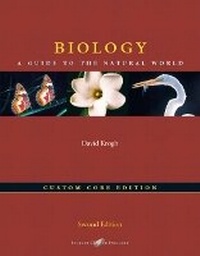
Biology
A Guide to the Natural World, The Custom Core Edition
2nd Edition
Published on 11. March 2004
Book
Paperback/Softback
480 pages
978-0-13-142633-7 (ISBN)
Description
For courses in Introductory Biology for non-majors.
Biology: A Guide to the Natural World, The Custom Core, 2/e, written and illustrated from the ground up for non-majors, now has a price as flexible as its content. The Custom Core Edition allows you to design a text that meets the content needs of your course, while saving your students money.
Biology: A Guide to the Natural World, The Custom Core, 2/e, written and illustrated from the ground up for non-majors, now has a price as flexible as its content. The Custom Core Edition allows you to design a text that meets the content needs of your course, while saving your students money.
More details
Edition
2nd edition
Language
English
Place of publication
United States
Publishing group
Pearson Education (US)
Target group
Professional and scholarly
Dimensions
Height: 279 mm
Width: 10 mm
Thickness: 10 mm
Weight
1030 gr
ISBN-13
978-0-13-142633-7 (9780131426337)
Copyright in bibliographic data and cover images is held by Nielsen Book Services Limited or by the publishers or by their respective licensors: all rights reserved.
Schweitzer Classification
Other editions
Person
David Krogh has been writing about science for 20 years in newspapers, magazines, books, and for educational institutions. He is the author of Smoking: The Artificial Passion, an account of the pharmacological and cultural motivations behind the use of tobacco, which was nominated for the Los Angeles Times Book Prize in Science and Technology. David has written on physics and on technology issues, but his primary interest has been in biology. He has written on the possible effect methane may be having on global warming; on early research' into the role that growth factors may play in neural regeneration following injury; on the synthesis of naturally occurring neurotoxins and their possible use in heart disease; on the use of imported drugs to treat cancer; and on the relationship between alcohol and mood states in women. He has a particular interest in the history of biology and in the relationship between biological research and modern American culture. He holds bachelor's degrees in both journalism and history from the University of Missouri. In another facet of his writing career, he is the director of communications for the Academic Senate of the University of California.
Content
Chapters 1-19 are included in the "Core" version of the text any of the chapters from chapters 20-31 can be added to the "Core".
l. Science as a Way of Learning: A Guide to the Natural World.
I. ESSENTIAL PARTS: ATOMS, MOLECULES, AND CELLS.
2. The Fundamental Building Blocks: Chemistry and Life.
3. Water, pH, and Biological Molecules.
4. Life's Home: The Cell.
5. Life's Border: The Plasma Membrane.
II. ENERGY AND ITS TRANSFORMATIONS.
6. Life's Mainspring: An Introduction to Energy.
7. Vital Harvest: Deriving Energy from Food.
8. The Green World's Gift: Photosynthesis.
III. HOW LIFE GOES ON: GENETICS.
9. Introduction to Genetics; Mitosis and Cytokinesis.
10. Preparing for Sexual Reproduction: Meiosis.
11. The First Geneticist: Mendel and His Discoveries.
12. Chromosomes and Inheritance.
13. DNA Structure and Replication.
14. How Proteins Are Made: Genetic Transcription, Translation, and Regulation.
15. The Future Isn't What It Used to Be: Biotechnology.
IV. LIFE'S ORGANIZING PRINCIPLE: EVOLUTION AND THE DIVERSITY OF LIFE.
16. An Introduction to Evolution: Charles Darwin, Evolutionary Thought, and the Evidence for Evolution.
17. The Means of Evolution: Microevolution.
18. The Outcomes of Evolution: Macroevolution.
19. A Slow Unfolding: The History of Life on Earth.
20. Pond Dwellers, Log Eaters, and Self-Feeders: The Diversity of Life.
21. Movers and Shakers: The Animal Kingdom.
V. A BOUNTY THAT FEEDS US ALL: PLANTS.
22. An Introduction to Flowering Plants.
23. Form and Function in Flowering Plants.
VI. WHAT MAKES THE ORGANISM TICK? ANIMAL ANATOMY AND PHYSIOLOGY.
24. Introduction to Animal Anatomy and Physiology: The Integumentary, Skeletal, and Muscular Systems.
25. Control and Defense: The Nervous, Endocrine, and Immune Systems.
26. Transport, Nutrition, and Exchange: Blood, Breath, Digestion, and Elimination.
27. An Amazingly Detailed Script: Animal Development.
28. How the Baby Came to Be: Human Reproduction.
VII. THE LIVING WORLD AS A WHOLE: ECOLOGY AND BEHAVIOR.
29. An Interactive Living World: Populations and Communities in Ecology.
30. An Interactive Living World: Ecosystems and the Biosphere.
31. Animal Behavior.
l. Science as a Way of Learning: A Guide to the Natural World.
I. ESSENTIAL PARTS: ATOMS, MOLECULES, AND CELLS.
2. The Fundamental Building Blocks: Chemistry and Life.
3. Water, pH, and Biological Molecules.
4. Life's Home: The Cell.
5. Life's Border: The Plasma Membrane.
II. ENERGY AND ITS TRANSFORMATIONS.
6. Life's Mainspring: An Introduction to Energy.
7. Vital Harvest: Deriving Energy from Food.
8. The Green World's Gift: Photosynthesis.
III. HOW LIFE GOES ON: GENETICS.
9. Introduction to Genetics; Mitosis and Cytokinesis.
10. Preparing for Sexual Reproduction: Meiosis.
11. The First Geneticist: Mendel and His Discoveries.
12. Chromosomes and Inheritance.
13. DNA Structure and Replication.
14. How Proteins Are Made: Genetic Transcription, Translation, and Regulation.
15. The Future Isn't What It Used to Be: Biotechnology.
IV. LIFE'S ORGANIZING PRINCIPLE: EVOLUTION AND THE DIVERSITY OF LIFE.
16. An Introduction to Evolution: Charles Darwin, Evolutionary Thought, and the Evidence for Evolution.
17. The Means of Evolution: Microevolution.
18. The Outcomes of Evolution: Macroevolution.
19. A Slow Unfolding: The History of Life on Earth.
20. Pond Dwellers, Log Eaters, and Self-Feeders: The Diversity of Life.
21. Movers and Shakers: The Animal Kingdom.
V. A BOUNTY THAT FEEDS US ALL: PLANTS.
22. An Introduction to Flowering Plants.
23. Form and Function in Flowering Plants.
VI. WHAT MAKES THE ORGANISM TICK? ANIMAL ANATOMY AND PHYSIOLOGY.
24. Introduction to Animal Anatomy and Physiology: The Integumentary, Skeletal, and Muscular Systems.
25. Control and Defense: The Nervous, Endocrine, and Immune Systems.
26. Transport, Nutrition, and Exchange: Blood, Breath, Digestion, and Elimination.
27. An Amazingly Detailed Script: Animal Development.
28. How the Baby Came to Be: Human Reproduction.
VII. THE LIVING WORLD AS A WHOLE: ECOLOGY AND BEHAVIOR.
29. An Interactive Living World: Populations and Communities in Ecology.
30. An Interactive Living World: Ecosystems and the Biosphere.
31. Animal Behavior.