


Understanding Human Differences
Multicultural Education for a Diverse America, MyLabSchool Edition
Published on 15. February 2005
Book
Mixed media product
384 pages
978-0-205-45920-9 (ISBN)
Description
For Multicultural Education/Diversity as well as General Education courses. Students develop conceptual understanding about complex and emotionally-charged issues of diversity in today's world. The authors use clear examples, lucid language, and engaging activities to involve students in thinking through fundamental ideas that ground their understanding of diversity.
Authors investigate three converging elements in their examination of human differences: individual attitudes and behaviors, cultural expectations, and institutional policies and practices. This examination provides the basis for the conceptual organization of the text.
Authors investigate three converging elements in their examination of human differences: individual attitudes and behaviors, cultural expectations, and institutional policies and practices. This examination provides the basis for the conceptual organization of the text.
More details
Language
English
Place of publication
United States
Publishing group
Pearson Education (US)
Target group
Professional and scholarly
Dimensions
Height: 232 mm
Width: 191 mm
Weight
658 gr
ISBN-13
978-0-205-45920-9 (9780205459209)
Copyright in bibliographic data and cover images is held by Nielsen Book Services Limited or by the publishers or by their respective licensors: all rights reserved.
Schweitzer Classification
Other editions
Previous edition
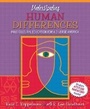
Kent L. Koppelman | R. Lee Goodhart
Understanding Human Differences
Multicultural Education for a Diverse America
Book
07/2004
Pearson
€70.75
Article exhausted; check for reprint
Content
Foreword.
I. INDIVIDUAL ATTITUDES AND INTERPERSONAL RELATIONS.
1. Understanding Ourselves and Others: Clarifying Values and Language.
2. Communication, Conflict and Conflict Resolution.
3. Understanding Prejudice and its Causes.
4. Learning the Language of Prejudice.
II. CULTURAL FOUNDATIONS OF OPPRESSION IN THE UNITED STATES.
5. The Roots of Oppression: The Subjugation of Native Americans.
6. Nativism: The Paradox of Xenophobia in a Nation of Immigrants.
7. Religious Diversity: The Struggle for Religious Freedom.
8. Rejecting Oppressive Relationships: The Logic of Cultural Pluralism for a Diverse Society.
III. CONTEMPORARY DILEMMAS FOR INTERGROUP RELATIONS.
9. Racism: Confronting a Legacy of White Domination in America.
10. Sexism: Where the Personal Becomes Political.
11. Heterosexism: Transforming Homosexuality from Deviant to Different.
12. Classism: Myths and Misperceptions about Poverty.
13. Ableism: Disability Does Not Mean Inability.
IV. THE CHALLENGE OF DIVERSITY IN AMERICAN INSTITUTIONS.
14. Pluralism in Schools: The Promise of Multicultural Education.
15. Pluralism in Society: Creating Unity in a Diverse America.
Afterword: The Challenge of Diversity for Individual Americans.
Appendix A: A Human Relations Student Attitude Inventory.
I. INDIVIDUAL ATTITUDES AND INTERPERSONAL RELATIONS.
1. Understanding Ourselves and Others: Clarifying Values and Language.
2. Communication, Conflict and Conflict Resolution.
3. Understanding Prejudice and its Causes.
4. Learning the Language of Prejudice.
II. CULTURAL FOUNDATIONS OF OPPRESSION IN THE UNITED STATES.
5. The Roots of Oppression: The Subjugation of Native Americans.
6. Nativism: The Paradox of Xenophobia in a Nation of Immigrants.
7. Religious Diversity: The Struggle for Religious Freedom.
8. Rejecting Oppressive Relationships: The Logic of Cultural Pluralism for a Diverse Society.
III. CONTEMPORARY DILEMMAS FOR INTERGROUP RELATIONS.
9. Racism: Confronting a Legacy of White Domination in America.
10. Sexism: Where the Personal Becomes Political.
11. Heterosexism: Transforming Homosexuality from Deviant to Different.
12. Classism: Myths and Misperceptions about Poverty.
13. Ableism: Disability Does Not Mean Inability.
IV. THE CHALLENGE OF DIVERSITY IN AMERICAN INSTITUTIONS.
14. Pluralism in Schools: The Promise of Multicultural Education.
15. Pluralism in Society: Creating Unity in a Diverse America.
Afterword: The Challenge of Diversity for Individual Americans.
Appendix A: A Human Relations Student Attitude Inventory.