

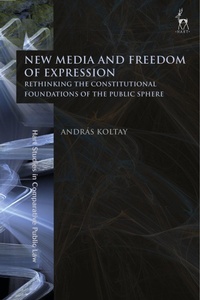
New Media and Freedom of Expression
Rethinking the Constitutional Foundations of the Public Sphere
Published on 21. January 2021
Book
Paperback/Softback
280 pages
978-1-5099-4628-0 (ISBN)
Description
The principles of freedom of expression have been developed over centuries. How are they reserved and passed on? How can large internet gatekeepers be required to respect freedom of expression and to contribute actively to a diverse and plural marketplace of ideas? These are key issues for media regulation, and will remain so for the foreseeable decades. The book starts with the foundations of freedom of expression and freedom of the press, and then goes on to explore the general issues concerning the regulation of the internet as a specific medium. It then turns to analysing the legal issues relating to the three most important gatekeepers whose operations directly affect freedom of expression: ISPs, search engines and social media platforms. Finally it summarises the potential future regulatory and media policy directions. The book takes a comparative legal approach, focusing primarily on English and American regulations, case law and jurisprudential debates, but it also details the relevant international developments (Council of Europe, European Union) as well as the jurisprudence of the European Court of Human Rights.
Reviews / Votes
[R]igorous in its attention to detail and demonstrates great adeptness in communicating the complexities of various regulatory regimes in a manner that is both informative and interesting. -- Paul Wragg, University of Leeds * Communications Law * This is an ambitious and authoritative monograph that has been thoroughly researched. It is without doubt a seminal piece of work that not only makes a valuable contribution to the free speech debate now but will, no doubt, continue to act as a catalyst and resource for further research and debate long into the future. Koltay has managed to adroitly balance in depth authoritative analysis with accessibility. Consequently, this book will not only be of huge value to academic and practising lawyers operating within the media law and human rights spheres, but will also be of interest to law students, philosophers, communication and journalism academics, journalists and other media professionals in the UK and internationally. -- Peter Coe, Institute of Advanced Legal Studies' Information Law and Policy Centre, University of London * Entertainment Law Review *More details
Series
Language
English
Place of publication
Oxford
United Kingdom
Publishing group
Bloomsbury Publishing PLC
Target group
College/higher education
Dimensions
Height: 244 mm
Width: 170 mm
Thickness: 15 mm
Weight
492 gr
ISBN-13
978-1-5099-4628-0 (9781509946280)
Copyright in bibliographic data and cover images is held by Nielsen Book Services Limited or by the publishers or by their respective licensors: all rights reserved.
Schweitzer Classification
Other editions
Additional editions
Andras Koltay
New Media and Freedom of Expression
Rethinking the Constitutional Foundations of the Public Sphere
E-Book
07/2019
1st Edition
Hart Publishing
€46.49
Available for download

Andras Koltay
New Media and Freedom of Expression
Rethinking the Constitutional Foundations of the Public Sphere
Book
07/2019
Hart Publishing
€132.20
Shipment within 15-20 days
Andras Koltay
New Media and Freedom of Expression
Rethinking the Constitutional Foundations of the Public Sphere
E-Book
07/2019
1st Edition
Hart Publishing
€46.49
Available for download
Person
Andras Koltay is Professor of Law at the National University of Public Service, and at the Pazmany Peter Catholic University, Budapest, Hungary.
Content
1. The Foundations of Free Speech and Freedom of the Press
I. Freedom of Speech in the Age of the Internet
II. The Category of 'Speech' and the Scope of Protection
III. Limitation of the Freedom of Speech
IV. Freedom of the Press and Media Regulation
2. The Regulation of the Internet and its Gatekeepers in the Context of the Freedom of Speech
I. Online Content Providers as 'Media'
II. The Regulation of Internet Gatekeepers
3. Internet Service Providers
I. Introduction
II. Obligations of the Internet Service Providers Regarding Illegal Content
III. The Problem of Network Neutrality
IV. Censorship by Internet Service Providers
4. Search Engines
I. Introduction - The Role of Search Engines in Online Public Sphere
II. Search Results as Speech
III. The Liability of Search Engines for Violations of Personality Rights
IV. The Manipulation of Search Results
V. Summary
5. Social Media Platforms
I. Introduction
II. Social Media Platforms and the Democratic Public Sphere
III. The Regulation of Platforms by Legislation
IV. Private Regulation by Platforms
V. Summary
6. Gatekeepers' Responsibility for Online Comments
I. The Case of Online Comments
II. The European Court of Human Rights Case Law Relating to Comments - Overview
III. The Relevant Criteria in the Cases before the European Court of Human Rights
IV. Main Criticism of the Jurisprudence of the European Court of Human Rights
V. The Case of Social Media Comments
VI. Summary
7. The Future of Regulating Gatekeepers
I. Introduction
II. Possible Interpretations of Existing Legal Doctrines Concerning the Public Sphere
III. The Possible Models of Future European Regulation
IV. Summary
I. Freedom of Speech in the Age of the Internet
II. The Category of 'Speech' and the Scope of Protection
III. Limitation of the Freedom of Speech
IV. Freedom of the Press and Media Regulation
2. The Regulation of the Internet and its Gatekeepers in the Context of the Freedom of Speech
I. Online Content Providers as 'Media'
II. The Regulation of Internet Gatekeepers
3. Internet Service Providers
I. Introduction
II. Obligations of the Internet Service Providers Regarding Illegal Content
III. The Problem of Network Neutrality
IV. Censorship by Internet Service Providers
4. Search Engines
I. Introduction - The Role of Search Engines in Online Public Sphere
II. Search Results as Speech
III. The Liability of Search Engines for Violations of Personality Rights
IV. The Manipulation of Search Results
V. Summary
5. Social Media Platforms
I. Introduction
II. Social Media Platforms and the Democratic Public Sphere
III. The Regulation of Platforms by Legislation
IV. Private Regulation by Platforms
V. Summary
6. Gatekeepers' Responsibility for Online Comments
I. The Case of Online Comments
II. The European Court of Human Rights Case Law Relating to Comments - Overview
III. The Relevant Criteria in the Cases before the European Court of Human Rights
IV. Main Criticism of the Jurisprudence of the European Court of Human Rights
V. The Case of Social Media Comments
VI. Summary
7. The Future of Regulating Gatekeepers
I. Introduction
II. Possible Interpretations of Existing Legal Doctrines Concerning the Public Sphere
III. The Possible Models of Future European Regulation
IV. Summary