

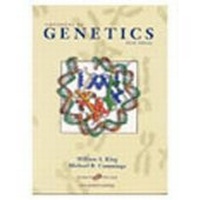
Concepts of Genetics
6th Edition
Published on 3. August 1999
Book
Hardback
608 pages
978-0-13-081626-9 (ISBN)
Description
This book is known for its clear writing style, emphasis on concepts, visual art program and thoughtful coverage of all areas of genetics. KEY TOPICS: All chapters have been thoroughly updated to reflect the latest changes in the field. Some examples include: Genomics, a new unit has been added focusing on this important top topic; Population Genetics and Evolution, coverage now includes a more phylogenetic approach. MARKET: For anyone in biology, zoology, agriculture or health science who are interested in genetics.
More details
Edition
6th edition
Language
English
Place of publication
San Francisco
United States
Publishing group
Pearson Education (US)
Target group
Primary & secondary/elementary & high school
Dimensions
Height: 286 mm
Width: 282 mm
Thickness: 30 mm
Weight
1955 gr
ISBN-13
978-0-13-081626-9 (9780130816269)
Copyright in bibliographic data and cover images is held by Nielsen Book Services Limited or by the publishers or by their respective licensors: all rights reserved.
Schweitzer Classification
Other editions
New editions
Book
08/2002
7th Edition
Pearson
€97.97
Article exhausted; check for reprint
Previous edition

William S. Klug | Michael R. Cummings
Concepts of Genetics
Book
11/1996
5th Edition
Pearson Education (US)
€35.95
Article exhausted; check different version
Content
I. HEREDITY AND THE PHENOTYPE.
1. An Introduction to Genetics.
2. Mitosis and Meiosis.
3. Mendelian Genetics.
4. Extensions of Mendelian Genetics.
5. Quantitative Genetics.
6. Linkage, Crossing Over, and Mapping in Eukaryotes.
7. Genetic Recombination and Mapping in Bacteria and Bacteriophages.
8. Extrachromosomal Inheritance.
9. Sex Determination and Sex Chromosomes.
10. Chromosome Mutations: Variations in Chromosome Number and Arrangement.
II. MOLECULAR BASIS OF HEREDITY.
11. DNA Structure and Analysis.
12. DNA Replication and Recombination.
13. The Genetic Code and Transcription.
14. Translation and Proteins.
15. Regulation of Gene Expression in Prokaryotes.
16. Regulation of Gene Expression in Eukaryotes.
17. Gene Mutation, DNA Repair, and Transposable Elements.
III. GENOMICS.
18. Construction and Analysis of DNA Clones.
19. Chromosome Structure and DNA Sequence Organization.
20. Organization of Genes in Chromosomes.
21. Applications and Ethics of Genetic Technology.
IV. GENETICS OF ORGANISMS AND POPULATIONS.
22. Developmental Genetics.
23. Genetics and Cancer.
24. Genetics and Behavior.
25. Population Genetics.
26. Genetics and Evolution.
1. An Introduction to Genetics.
2. Mitosis and Meiosis.
3. Mendelian Genetics.
4. Extensions of Mendelian Genetics.
5. Quantitative Genetics.
6. Linkage, Crossing Over, and Mapping in Eukaryotes.
7. Genetic Recombination and Mapping in Bacteria and Bacteriophages.
8. Extrachromosomal Inheritance.
9. Sex Determination and Sex Chromosomes.
10. Chromosome Mutations: Variations in Chromosome Number and Arrangement.
II. MOLECULAR BASIS OF HEREDITY.
11. DNA Structure and Analysis.
12. DNA Replication and Recombination.
13. The Genetic Code and Transcription.
14. Translation and Proteins.
15. Regulation of Gene Expression in Prokaryotes.
16. Regulation of Gene Expression in Eukaryotes.
17. Gene Mutation, DNA Repair, and Transposable Elements.
III. GENOMICS.
18. Construction and Analysis of DNA Clones.
19. Chromosome Structure and DNA Sequence Organization.
20. Organization of Genes in Chromosomes.
21. Applications and Ethics of Genetic Technology.
IV. GENETICS OF ORGANISMS AND POPULATIONS.
22. Developmental Genetics.
23. Genetics and Cancer.
24. Genetics and Behavior.
25. Population Genetics.
26. Genetics and Evolution.