

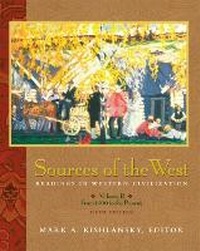
Sources of the West
Readings in Western Civilization, Volume II
5th Edition
Published on 20. October 2004
Book
Hardback
368 pages
978-0-321-10551-6 (ISBN)
Description
Sources of the West presents a well-balanced selection of readings that integrate coverage of social, economic, religious, and cultural history within a traditional, political framework.
The text includes constitutional documents, political theory, philosophy, imaginative literature, and social description that raise significant issues for classroom discussions or lectures. By reading the voices of the past, students can connect them to the present, learn to understand and respect other cultures, and think critically about history.
The text includes constitutional documents, political theory, philosophy, imaginative literature, and social description that raise significant issues for classroom discussions or lectures. By reading the voices of the past, students can connect them to the present, learn to understand and respect other cultures, and think critically about history.
More details
Edition
5th edition
Language
English
Place of publication
United States
Publishing group
Pearson Education (US)
Target group
Professional and scholarly
Dimensions
Height: 235 mm
Width: 187 mm
Weight
567 gr
ISBN-13
978-0-321-10551-6 (9780321105516)
Copyright in bibliographic data and cover images is held by Nielsen Book Services Limited or by the publishers or by their respective licensors: all rights reserved.
Schweitzer Classification
Other editions
New editions
Mark Kishlansky
Sources of the West
Readings in Western Civilization, Volume II (From 1600 to the Present)
Book
04/2005
6th Edition
Pearson
€47.03
Article exhausted; check for reprint
Previous edition
Mark Kishlansky
Sources of the West
Readings in Western Civilization, Volume II: From 1600 to the Present
Book
03/2002
4th Edition
Pearson
€30.94
Article exhausted; check for reprint
Person
Mark Kishlansky
Mark Kishlansky is Frank B. Baird, Jr. Professor of English and European History and Associate Dean of the Faculty at Harvard University. Before joining the Harvard Faculty he taught for sixteen years at the University of Chicago where he was a member of the Committee on Social Thought. Professor Kishlansky is a specialist on seventeenth-century English political history and has written, among other works, A Monarchy Transformed, The Rise of the New Model Army and Parliamentary Selection: Social and Political Choice in Early Modern England. From 1984-1991 he was editor of the Journal of British Studies. He is currently writing a history of the reign of Charles I entitled The Death of Kings.
Mark Kishlansky is Frank B. Baird, Jr. Professor of English and European History and Associate Dean of the Faculty at Harvard University. Before joining the Harvard Faculty he taught for sixteen years at the University of Chicago where he was a member of the Committee on Social Thought. Professor Kishlansky is a specialist on seventeenth-century English political history and has written, among other works, A Monarchy Transformed, The Rise of the New Model Army and Parliamentary Selection: Social and Political Choice in Early Modern England. From 1984-1991 he was editor of the Journal of British Studies. He is currently writing a history of the reign of Charles I entitled The Death of Kings.
Content
Preface.
How to Read a Document.
IV. THE ANCIENT REGIME.
The Wars of Religion.
68. Francois Hotman, Francogallia (1573).
69. Henry IV, The Edict of Nantes (1598).
70. William of Orange, Apology (1580).
71. Cardinal Richelieu, The Political Testament (1638).
72. Hans von Grimmelshausen, Simplicissimus (1669).
Subjects and Sovereigns.
73. James I, True Law of a Free Monarchy (1598).
74. Philippe Duplessis-Mornay, A Defense of Liberty Against Tyrants (1579).
75. Sir William Clarke, The Putney Debates (1647).
76. Thomas Hobbes, Leviathan (1651).
77. John Locke, The Second Treatise Concerning Government.
78. Duc de Saint-Simon, Memoirs (1694-1723).
Science and Commerce.
79. Galileo Galilei, Letter to the Grand Duchess Christina (1615).
80. Rene Descartes, Discourse on Method (1637).
81. Thomas Mun, England's Treasure by Foreign Trade (1664).
82. Adam Smith, The Wealth of Nations (1776).
Enlightened Monarchy.
83. Catherine the Great, Memoirs (ca. 1755).
84. Maria Theresa, Testament (1749-50).
85. Viscount Bolingbroke, The Idea of a Patriot King (1749).
The Enlightenment.
86. Voltaire, Candide (1759).
87. Jean-Jacques Rousseau, The Social Contract (1762).
88. *Joseph Crassons de Medevil, Notes on the Slave Trade.
89. Montesquieu, Spirit of the Laws (1748).
90. Thomas Jefferson, The Declaration of Independence (1776).
91. Cesare Beccaria, On Crimes and Punishments (1764).
92. Marquis de Condorcet, The Progress of the Human Mind (1793).
The French Revolution.
93. Abbe de Sieyes, What Is the Third Estate? (1789).
94. The Declaration of the Rights of Man (1789); Olympe de Gouges, The Declaration of the Rights of Woman (1791).
95. Edmund Burke, Reflections on the Revolution in France (1790).
96. Jakob Walter, Memoirs (ca. 1849).
V. THE AGE OF REFORM.
Industrialization in Britain.
97. Arthur Young, Political Arithmetic (1774).
98. Samuel Smiles, Self-Help (1859).
99. Sir Edwin Chadwick, Inquiry into the Condition of the Poor (1842).
100. Friedrich Engels, The Condition of the Working Class in England (1845).
Nineteenth-Century Society and Culture.
101. Jane Austen, Pride and Prejudice (1813).
102. Henrietta-Lucy, Madame de la Tour du Pin, Memoirs (1820-43).
103. Alexis Soyer, Modern Housewife (1850); Mrs. Beeton's Book of Household Management (1861).
Political Critiques.
104. J.S. Mill, On Liberty (1859).
105. Pierre Proudhon, What Is Property? (1840)
106. The Great Charter (1842).
107. William II, Letter to the Shogun (1844); Bakufu, Reply to the Government of Holland (1845).
108. Karl Marx and Friedrich Engels, The Communist Manifesto (1848).
109. Alexander II and Prince Kropotkin, The Emancipation of the Serfs (1861).
110. Otto von Bismarck, Reflections and Reminiscences (1898) and Speech to the Reichstag (1879).
111. Pope Leo XIII, Rerum Novarum (The Condition of Labor) (1891).
Emancipating the Mind and the Body.
112. Charles Darwin, The Descent of Man (1871).
113. Friedrich Nietzsche, Beyond Good and Evil (1886).
114. Sigmund Freud, The Interpretation of Dreams (1899).
115. E. Sylvia Pankhurst, History of the Suffrage Movement (1912).
116. Beatrice Webb, Women and the Factory Acts (1896).
Thoughts on Empire.
117. J.A. Hobson, Imperialism (1902).
118. Cecil Rhodes, Confession of Faith (1877).
119. *Carl Veltin, Social Life of the Swahilis.
120. Rudyard Kipling, "The White Man's Burden" (1899).
121. George Orwell, "Shooting an Elephant" (1936).
VI. TWENTIETH-CENTURY EUROPE.
War and Revolution.
122. Voices From the Battle of the Somme.
123. Ernst Jueunger, Storm of Steel (1920).
124. Woodrow Wilson, The Fourteen Points (1918).
125. V.I. Lenin, What Is to Be Done? (1902).
126. Alexandra Kollontai, "Theses on Communist Morality in the Sphere of Marital Relations" (1921).
The Second World War.
127. J.M. Keynes, The Economic Consequences of the Peace (1919). Benito Mussolini, Fascist Doctrine (1932).
128. *Winifred Holtby, Women and a Changing Civilization (1934).
129. Benito Mussolini, Fascist Doctrine (1932).
130. Adolf Hitler, Mein Kampf (1923).
131. Memories of the Holocaust (1938-45).
132. Winston Churchill, Speeches (1940).
133. Adolf Eichmann, Testimony (1961).
The Twentieth-Century Imagination.
134. Virginia Woolf, A Room of One's Own (1929).
135. Alexander Solzhenitsyn, One Day in the Life of Ivan Denisovich (1962).
136. Jean-Paul Sartre, Existentialism (1946).
137. Simone de Beauvoir, The Second Sex (1949).
The Transformation of Eastern Europe.
138. Winston Churchill, "The Iron Curtain" (1946).
139. Nikita Khrushchev, Report to the Communist Party Congress (1961).
140. Mikhail Gorbachev, Perestroika (1987).
141. Francis Fukuyama, The End of History? (1989)
Toward a New World.
Charter of the United Nations (1946).
The Charter of Economic Rights and Duties of States (1974).
Kofi Annan, Report on the Fall of Srebrenica (1999).
Acknowledgments.
Photo Credits.
How to Read a Document.
IV. THE ANCIENT REGIME.
The Wars of Religion.
68. Francois Hotman, Francogallia (1573).
69. Henry IV, The Edict of Nantes (1598).
70. William of Orange, Apology (1580).
71. Cardinal Richelieu, The Political Testament (1638).
72. Hans von Grimmelshausen, Simplicissimus (1669).
Subjects and Sovereigns.
73. James I, True Law of a Free Monarchy (1598).
74. Philippe Duplessis-Mornay, A Defense of Liberty Against Tyrants (1579).
75. Sir William Clarke, The Putney Debates (1647).
76. Thomas Hobbes, Leviathan (1651).
77. John Locke, The Second Treatise Concerning Government.
78. Duc de Saint-Simon, Memoirs (1694-1723).
Science and Commerce.
79. Galileo Galilei, Letter to the Grand Duchess Christina (1615).
80. Rene Descartes, Discourse on Method (1637).
81. Thomas Mun, England's Treasure by Foreign Trade (1664).
82. Adam Smith, The Wealth of Nations (1776).
Enlightened Monarchy.
83. Catherine the Great, Memoirs (ca. 1755).
84. Maria Theresa, Testament (1749-50).
85. Viscount Bolingbroke, The Idea of a Patriot King (1749).
The Enlightenment.
86. Voltaire, Candide (1759).
87. Jean-Jacques Rousseau, The Social Contract (1762).
88. *Joseph Crassons de Medevil, Notes on the Slave Trade.
89. Montesquieu, Spirit of the Laws (1748).
90. Thomas Jefferson, The Declaration of Independence (1776).
91. Cesare Beccaria, On Crimes and Punishments (1764).
92. Marquis de Condorcet, The Progress of the Human Mind (1793).
The French Revolution.
93. Abbe de Sieyes, What Is the Third Estate? (1789).
94. The Declaration of the Rights of Man (1789); Olympe de Gouges, The Declaration of the Rights of Woman (1791).
95. Edmund Burke, Reflections on the Revolution in France (1790).
96. Jakob Walter, Memoirs (ca. 1849).
V. THE AGE OF REFORM.
Industrialization in Britain.
97. Arthur Young, Political Arithmetic (1774).
98. Samuel Smiles, Self-Help (1859).
99. Sir Edwin Chadwick, Inquiry into the Condition of the Poor (1842).
100. Friedrich Engels, The Condition of the Working Class in England (1845).
Nineteenth-Century Society and Culture.
101. Jane Austen, Pride and Prejudice (1813).
102. Henrietta-Lucy, Madame de la Tour du Pin, Memoirs (1820-43).
103. Alexis Soyer, Modern Housewife (1850); Mrs. Beeton's Book of Household Management (1861).
Political Critiques.
104. J.S. Mill, On Liberty (1859).
105. Pierre Proudhon, What Is Property? (1840)
106. The Great Charter (1842).
107. William II, Letter to the Shogun (1844); Bakufu, Reply to the Government of Holland (1845).
108. Karl Marx and Friedrich Engels, The Communist Manifesto (1848).
109. Alexander II and Prince Kropotkin, The Emancipation of the Serfs (1861).
110. Otto von Bismarck, Reflections and Reminiscences (1898) and Speech to the Reichstag (1879).
111. Pope Leo XIII, Rerum Novarum (The Condition of Labor) (1891).
Emancipating the Mind and the Body.
112. Charles Darwin, The Descent of Man (1871).
113. Friedrich Nietzsche, Beyond Good and Evil (1886).
114. Sigmund Freud, The Interpretation of Dreams (1899).
115. E. Sylvia Pankhurst, History of the Suffrage Movement (1912).
116. Beatrice Webb, Women and the Factory Acts (1896).
Thoughts on Empire.
117. J.A. Hobson, Imperialism (1902).
118. Cecil Rhodes, Confession of Faith (1877).
119. *Carl Veltin, Social Life of the Swahilis.
120. Rudyard Kipling, "The White Man's Burden" (1899).
121. George Orwell, "Shooting an Elephant" (1936).
VI. TWENTIETH-CENTURY EUROPE.
War and Revolution.
122. Voices From the Battle of the Somme.
123. Ernst Jueunger, Storm of Steel (1920).
124. Woodrow Wilson, The Fourteen Points (1918).
125. V.I. Lenin, What Is to Be Done? (1902).
126. Alexandra Kollontai, "Theses on Communist Morality in the Sphere of Marital Relations" (1921).
The Second World War.
127. J.M. Keynes, The Economic Consequences of the Peace (1919). Benito Mussolini, Fascist Doctrine (1932).
128. *Winifred Holtby, Women and a Changing Civilization (1934).
129. Benito Mussolini, Fascist Doctrine (1932).
130. Adolf Hitler, Mein Kampf (1923).
131. Memories of the Holocaust (1938-45).
132. Winston Churchill, Speeches (1940).
133. Adolf Eichmann, Testimony (1961).
The Twentieth-Century Imagination.
134. Virginia Woolf, A Room of One's Own (1929).
135. Alexander Solzhenitsyn, One Day in the Life of Ivan Denisovich (1962).
136. Jean-Paul Sartre, Existentialism (1946).
137. Simone de Beauvoir, The Second Sex (1949).
The Transformation of Eastern Europe.
138. Winston Churchill, "The Iron Curtain" (1946).
139. Nikita Khrushchev, Report to the Communist Party Congress (1961).
140. Mikhail Gorbachev, Perestroika (1987).
141. Francis Fukuyama, The End of History? (1989)
Toward a New World.
Charter of the United Nations (1946).
The Charter of Economic Rights and Duties of States (1974).
Kofi Annan, Report on the Fall of Srebrenica (1999).
Acknowledgments.
Photo Credits.