

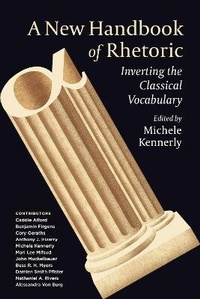
A New Handbook of Rhetoric
Inverting the Classical Vocabulary
Published on 15. September 2021
Book
Paperback/Softback
224 pages
978-0-271-09183-9 (ISBN)
Description
Like every discipline, Rhetorical Studies relies on a technical vocabulary to convey specialized concepts, but few disciplines rely so deeply on a set of terms developed so long ago. Pathos, kairos, doxa, topos-these and others originate from the so-called classical world, which has conferred on them excessive authority. Without jettisoning these rhetorical terms altogether, this handbook addresses critiques of their ongoing relevance, explanatory power, and exclusionary effects.
A New Handbook of Rhetoric inverts the terms of classical rhetoric by applying to them the alpha privative, a prefix that expresses absence. Adding the prefix ?- to more than a dozen of the most important terms in the field, the contributors to this volume build a new vocabulary for rhetorical inquiry. Essays on apathy, akairos, adoxa, and atopos, among others, explore long-standing disciplinary habits, reveal the denials and privileges inherent in traditional rhetorical inquiry, and theorize new problems and methods. Using this vocabulary in an analysis of current politics, media, and technology, the essays illuminate aspects of contemporary culture that traditional rhetorical theory often overlooks.
Innovative and groundbreaking, A New Handbook of Rhetoric at once draws on and unsettles ancient Greek rhetorical terms, opening new avenues for studying values, norms, and phenomena often stymied by the tradition.
In addition to the editor, the contributors include Caddie Alford, Benjamin Firgens, Cory Geraths, Anthony J. Irizarry, Mari Lee Mifsud, John Muckelbauer, Bess R. H. Myers, Damien Smith Pfister, Nathaniel A. Rivers, and Alessandra Von Burg.
A New Handbook of Rhetoric inverts the terms of classical rhetoric by applying to them the alpha privative, a prefix that expresses absence. Adding the prefix ?- to more than a dozen of the most important terms in the field, the contributors to this volume build a new vocabulary for rhetorical inquiry. Essays on apathy, akairos, adoxa, and atopos, among others, explore long-standing disciplinary habits, reveal the denials and privileges inherent in traditional rhetorical inquiry, and theorize new problems and methods. Using this vocabulary in an analysis of current politics, media, and technology, the essays illuminate aspects of contemporary culture that traditional rhetorical theory often overlooks.
Innovative and groundbreaking, A New Handbook of Rhetoric at once draws on and unsettles ancient Greek rhetorical terms, opening new avenues for studying values, norms, and phenomena often stymied by the tradition.
In addition to the editor, the contributors include Caddie Alford, Benjamin Firgens, Cory Geraths, Anthony J. Irizarry, Mari Lee Mifsud, John Muckelbauer, Bess R. H. Myers, Damien Smith Pfister, Nathaniel A. Rivers, and Alessandra Von Burg.
Reviews / Votes
"A New Handbook of Rhetoric is a major contribution to the ongoing conversation about how contemporary rhetorical theory relates to the rhetorical tradition. The digital world and global crises such as climate change motivate a search for theories that can explain, accommodate, and advance rhetorical judgments and rhetorical practice. The 'alpha-privative' strategy employed here is novel and productive, offering an innovative way to both learn from the past and move into the uncharted and unprecedented future."-Carolyn R. Miller, coeditor of Landmark Essays on Rhetorical Genre Studies
More details
Language
English
Place of publication
University Park
United States
Target group
Professional and scholarly
Product notice
Paperback (trade)
Dimensions
Height: 229 mm
Width: 152 mm
Thickness: 15 mm
Weight
340 gr
ISBN-13
978-0-271-09183-9 (9780271091839)
Copyright in bibliographic data and cover images is held by Nielsen Book Services Limited or by the publishers or by their respective licensors: all rights reserved.
Schweitzer Classification