

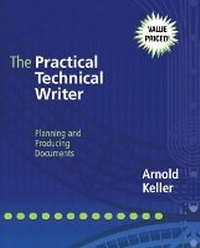
The Practical Technical Writer
Planning and Producing Documents
Published on 16. April 2004
Book
Paperback/Softback
416 pages
978-0-321-10012-2 (ISBN)
Description
The Practical Writer has a distinct competitive edge over other professional and technical writing books currently available. Rather than overwhelming readers with endless rules dealing with usage and style, this exciting new text offers sound and practical advice based on step-by-step procedures, ideas, checklists, and practice exercises. Students will also learn how technology can make writing more efficient.
More details
Content
All chapters include examples, objectives, chapter summaries, checklists, and exercises.
Preface.
I. WHAT ALL TECHNICAL WRITERS NEED TO KNOW.
1. Professional Persuasion.
Planning.
The Social Act of Writing.
Being Credible.
Putting Readers First.
Finding the Right Evidence.
Using the Right Format.
Taking Care of the Details.
Testing How Well You Persuade Real Users.
Producing: Step-by-Step Directions for Writing Persuasively.
2. Structures and Signals.
Planning.
Keep Readers Reading.
Helping Readers Find Their Way.
Making Promises to Your Audience.
Helping Your Audience See the Big Picture: Focus on a Problem.
Taking Readers from Thinking to Doing.
Signaling How You're Organizing Material.
Exploit the Power of Three.
Producing: Step-by-Step Directions for Structuring Writing.
3. Writing Plain English.
Planning.
Why Write Plainly?
How Sentences Get Tortuous.
Does Plain English Sacrifice Content?
Strategies for Writing Plain English.
Producing: Step-by-Step Directions for Writing Plainly.
4. Graphics.
Planning.
Why Writers Should Learn About Graphics.
Instructing and Delighting.
The Main Types of Graphics.
Persuading with Graphics.
Complex and Simple Information.
Making the Abstract Concrete.
Helping the Reader See the Graphic.
Overdoing a Good Thing.
Producing: Step-by-Step Directions for Working with Graphics.
5. Document Design.
Planning.
Why Documents Have to Look Good.
Less Is More.
House Styles.
Planning Your Document's Appearance.
Using a Grid.
Creating Grids With a Word Processor.
White Space: Nothing Is Something.
Grammatical Parallelism in Lists.
Headings: Previewing Information.
Choosing Fonts.
Styled Text.
Using Borders.
Using Color.
Use Computer Conventions.
Producing: Step-by-Step Directions for Designing Documents.
II. WHAT TECHNICAL WRITERS PRODUCE.
6. Correspondence.
Planning.
Conversations at a Distance.
Respect, Honesty, and Brevity.
Imagining the Audience.
The Language of Correspondence.
Your Credibility.
Why People Correspond.
Types of Correspondence.
Correspondence Format.
E-mail.
Voice Mail.
Producing: Step-by-Step Directions for Correspondence.
7. Instructions.
Planning.
What You Need to Know about Content.
Task Analysis: The Content You'll Teach.
Audience Analysis: The People You'll Teach.
Making It Easy to Use.
Testing Your Instructions.
How Much Testing Is Enough?
Producing: Step-by-Step Directions for Writing Instructions.
8. Proposals.
Planning.
Asking for Resources.
Why People Write Proposals.
Internal or External.
Solicited or Unsolicited.
Simple Proposals.
Complex Proposals.
Proposals to Study a Problem Further.
Proposals and Persuasion.
The Formal Components of Your Proposal.
Producing: Step-by-Step Directions for Writing Proposals.
A Sample Proposal.
9. Reports.
Planning.
Why Reports are Important.
Types of Common Reports.
Description or Analysis?
A Report's Audience.
Finding Your Report's Topic.
Describing and Analyzing the Problem.
Saying What Should Be Versus What Is.
Offering Solutions-and Their Pros and Cons.
Recommending Actions.
Organizing Your Report: The Three Part Structure.
Formatting the Report.
Producing: Step-by-Step Directions for Writing Reports.
A Sample Report.
10. Writing Descriptions.
Planning.
Describing the World.
Physical Descriptions.
Mechanical Objects.
Specifications.
Natural Objects.
Other Phenomena.
Process Descriptions.
Natural or Planned.
Planned Processes.
Natural Processes.
Processes with Decisions.
Mixed Descriptions.
Audiences.
Decomposing and Presenting.
Decomposing a Physical Object.
Decomposing a Process.
Presenting Descriptions.
Incorporating Graphics.
Producing: Step-by-Step Directions for Writing Descriptions.
11. Documents for General Readers.
Planning.
Why Technical Writing Can't Be Technical.
What General Readers Need.
What General Readers Want.
Starting with What Readers Know.
Symbols and Comparisons.
Telling Stories and Making Promises.
Producing: Step-by-Step Directions for Documents for General Readers.
III. WHAT TECHNICAL WRITERS ALSO PRODUCE.
12. Web Pages.
Planning.
Why the Web Matters.
Why Text is the Main Way of Communication.
Fickle At the Speed of Light.
Helping Readers See How Ideas Fit Together.
Planning Your Site For Your Particular Web Audience.
Integrating Navigation Devices.
Web Layout and Appearance.
Producing: Step-by-Step Directions for Writing for the World Wide Web.
13. Media Releases.
Planning.
The World Out There.
Editors: A Special Audience.
When to Write a Media Release.
The Elements of a Media Release.
Producing: Step-by-Step Directions for Writing Media Releases.
14. Oral Presentations.
Planning.
Speaking in Public.
Persuasion Face to Face.
Who's Listening?
How Long Do I Have?
Making Your Promise and Keeping Focused.
Organizing Your Talk with the Power of Three.
Think in Terms of Slides.
Using Computers to Prepare and Present Your Talk.
Specific Ways to Use Technology.
The Basic Principles of Designing a Talk.
Delivering Your Presentation.
Producing: Step-by-Step Directions for Oral Presentations.
Appendix A: A How-To Guide for Fixing the Most Common Writing Mistakes.
Producing: Step-by-Step Directions for Fixing the Most Common Writing Mistakes.
Appendix B: A How-To Guide for Citing the Work of Others.
Producing: Step-by-Step Directions for Citing the Work of Others.
Preface.
I. WHAT ALL TECHNICAL WRITERS NEED TO KNOW.
1. Professional Persuasion.
Planning.
The Social Act of Writing.
Being Credible.
Putting Readers First.
Finding the Right Evidence.
Using the Right Format.
Taking Care of the Details.
Testing How Well You Persuade Real Users.
Producing: Step-by-Step Directions for Writing Persuasively.
2. Structures and Signals.
Planning.
Keep Readers Reading.
Helping Readers Find Their Way.
Making Promises to Your Audience.
Helping Your Audience See the Big Picture: Focus on a Problem.
Taking Readers from Thinking to Doing.
Signaling How You're Organizing Material.
Exploit the Power of Three.
Producing: Step-by-Step Directions for Structuring Writing.
3. Writing Plain English.
Planning.
Why Write Plainly?
How Sentences Get Tortuous.
Does Plain English Sacrifice Content?
Strategies for Writing Plain English.
Producing: Step-by-Step Directions for Writing Plainly.
4. Graphics.
Planning.
Why Writers Should Learn About Graphics.
Instructing and Delighting.
The Main Types of Graphics.
Persuading with Graphics.
Complex and Simple Information.
Making the Abstract Concrete.
Helping the Reader See the Graphic.
Overdoing a Good Thing.
Producing: Step-by-Step Directions for Working with Graphics.
5. Document Design.
Planning.
Why Documents Have to Look Good.
Less Is More.
House Styles.
Planning Your Document's Appearance.
Using a Grid.
Creating Grids With a Word Processor.
White Space: Nothing Is Something.
Grammatical Parallelism in Lists.
Headings: Previewing Information.
Choosing Fonts.
Styled Text.
Using Borders.
Using Color.
Use Computer Conventions.
Producing: Step-by-Step Directions for Designing Documents.
II. WHAT TECHNICAL WRITERS PRODUCE.
6. Correspondence.
Planning.
Conversations at a Distance.
Respect, Honesty, and Brevity.
Imagining the Audience.
The Language of Correspondence.
Your Credibility.
Why People Correspond.
Types of Correspondence.
Correspondence Format.
E-mail.
Voice Mail.
Producing: Step-by-Step Directions for Correspondence.
7. Instructions.
Planning.
What You Need to Know about Content.
Task Analysis: The Content You'll Teach.
Audience Analysis: The People You'll Teach.
Making It Easy to Use.
Testing Your Instructions.
How Much Testing Is Enough?
Producing: Step-by-Step Directions for Writing Instructions.
8. Proposals.
Planning.
Asking for Resources.
Why People Write Proposals.
Internal or External.
Solicited or Unsolicited.
Simple Proposals.
Complex Proposals.
Proposals to Study a Problem Further.
Proposals and Persuasion.
The Formal Components of Your Proposal.
Producing: Step-by-Step Directions for Writing Proposals.
A Sample Proposal.
9. Reports.
Planning.
Why Reports are Important.
Types of Common Reports.
Description or Analysis?
A Report's Audience.
Finding Your Report's Topic.
Describing and Analyzing the Problem.
Saying What Should Be Versus What Is.
Offering Solutions-and Their Pros and Cons.
Recommending Actions.
Organizing Your Report: The Three Part Structure.
Formatting the Report.
Producing: Step-by-Step Directions for Writing Reports.
A Sample Report.
10. Writing Descriptions.
Planning.
Describing the World.
Physical Descriptions.
Mechanical Objects.
Specifications.
Natural Objects.
Other Phenomena.
Process Descriptions.
Natural or Planned.
Planned Processes.
Natural Processes.
Processes with Decisions.
Mixed Descriptions.
Audiences.
Decomposing and Presenting.
Decomposing a Physical Object.
Decomposing a Process.
Presenting Descriptions.
Incorporating Graphics.
Producing: Step-by-Step Directions for Writing Descriptions.
11. Documents for General Readers.
Planning.
Why Technical Writing Can't Be Technical.
What General Readers Need.
What General Readers Want.
Starting with What Readers Know.
Symbols and Comparisons.
Telling Stories and Making Promises.
Producing: Step-by-Step Directions for Documents for General Readers.
III. WHAT TECHNICAL WRITERS ALSO PRODUCE.
12. Web Pages.
Planning.
Why the Web Matters.
Why Text is the Main Way of Communication.
Fickle At the Speed of Light.
Helping Readers See How Ideas Fit Together.
Planning Your Site For Your Particular Web Audience.
Integrating Navigation Devices.
Web Layout and Appearance.
Producing: Step-by-Step Directions for Writing for the World Wide Web.
13. Media Releases.
Planning.
The World Out There.
Editors: A Special Audience.
When to Write a Media Release.
The Elements of a Media Release.
Producing: Step-by-Step Directions for Writing Media Releases.
14. Oral Presentations.
Planning.
Speaking in Public.
Persuasion Face to Face.
Who's Listening?
How Long Do I Have?
Making Your Promise and Keeping Focused.
Organizing Your Talk with the Power of Three.
Think in Terms of Slides.
Using Computers to Prepare and Present Your Talk.
Specific Ways to Use Technology.
The Basic Principles of Designing a Talk.
Delivering Your Presentation.
Producing: Step-by-Step Directions for Oral Presentations.
Appendix A: A How-To Guide for Fixing the Most Common Writing Mistakes.
Producing: Step-by-Step Directions for Fixing the Most Common Writing Mistakes.
Appendix B: A How-To Guide for Citing the Work of Others.
Producing: Step-by-Step Directions for Citing the Work of Others.