

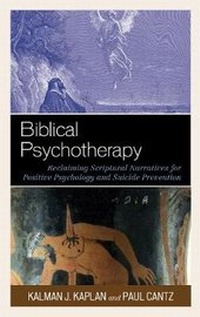
Biblical Psychotherapy
Reclaiming Scriptural Narratives for Positive Psychology and Suicide Prevention
Published on 29. November 2017
Book
Hardback
260 pages
978-1-4985-6081-8 (ISBN)
Description
In Biblical Psychotherapy, Kalman J. Kaplan and Paul Cantz offer a new approach to suicide prevention based on biblical narratives that is designed to overcome the suicidogenic patterns in Greek and Roman stories implicit in modern mental health. More than sixteen suicides and self-mutilations emerge in the twenty-six surviving tragedies of Sophocles and Euripides and countless others occurred in Greek and Roman lives. In contrast, only six suicides are found in the Hebrew Scriptures, in addition to a number of suicide-prevention narratives. Kaplan and Cantz reclaim life-enhancing biblical narratives as alternatives to matched suicidal stories in Greek and Roman society with regard to seven evidence-based risk factors. These biblical narratives are employed to treat fourteen patients fitting into the outlined Graeco-Roman suicidal syndromes and to provide an in-depth positive psychology aimed at promoting life rather than simply preventing suicide.
Reviews / Votes
[This] book proves to be an interesting and compelling read. An engaged reading also tends to provoke the reader to utilize her ingenuity in exploring the religious- spiritual texts and narratives prevalent in specific cultures, and explore the feasibility of using these for constructing a meaning making framework for alleviation of distress and creating a fulfilled life. With a brilliantly enticing foreword by the prominent psychiatrist Thomas H. Jobe, the volume succeeds in building a firm ground for the novel approach that transcends inherent dualisms of modern psychological theory and practice, bringing together theology and professionalism, and promoting the wholesomeness of human experience through psychotherapeutic practice. * Journal of the Indian Academy of Applied Psychology * Biblical Psychotherapy: Reclaiming Scriptural Narratives for Positive Psychology and Suicide Prevention by Kalman J. Kaplan and Paul Cantz is more for professionals, although laypeople can find this book informative and useful . . . Knowledge and techniques gained from this book will save human lives, and enhance the quality of life for many others . . . This book may bring new hope to many psychotherapists and new help to many patients. * The Jerusalem Report * Biblical Psychotherapy is a must-read in a time when science and culture question the phenomenon of suicide from different perspectives and pave the way to innovative approaches to reduce a major public health issue. Such new challenges can be fully understood when starting from a historical and spiritual background. Written by experts in the field, this book guides readers into the realm of biblical knowledge and allows for a very important experience of the wisdom of the Bible. This is a book for anyone interested in the human understanding of emotions and suicide, regardless of religion. Read it with the eye of mind, heart, and soul, and you will get important notions for grasping others' human experiences of difficult everyday-life circumstances. -- Maurizio Pompili, Sapienza University of Rome Kaplan and Cantz offer tremendous hope and insight through this dynamic and creative book that presents biblically based alternatives to suicide. Challenging the narratives of Greek tragedy that undercut so much of psychological thinking, they engage with the biblical text in fresh ways that affirm the value of human life. -- Julie Exline, Case Western Reserve UniversityMore details
Language
English
Place of publication
United States
Publishing group
Bloomsbury Publishing Plc
Target group
Professional and scholarly
Illustrations
18 b/w photos; 12 tables;
Dimensions
Height: 237 mm
Width: 159 mm
Thickness: 21 mm
Weight
585 gr
ISBN-13
978-1-4985-6081-8 (9781498560818)
Copyright in bibliographic data and cover images is held by Nielsen Book Services Limited or by the publishers or by their respective licensors: all rights reserved.
Schweitzer Classification
Other editions
Additional editions
Kalman J. Kaplan | Paul Cantz
Biblical Psychotherapy
Reclaiming Scriptural Narratives for Positive Psychology and Suicide Prevention
E-Book
11/2017
1st Edition
Lexington Books
€42.49
Available for download
Persons
Kalman J. Kaplan is professor of clinical psychology and director of the Program for Religion, Spirituality, and Mental Health in the Department of Psychiatry at the University of Illinois, College of Medicine at Chicago and adjunct professor at the Spertus Institute for Jewish Learning and Leadership.
Paul Cantz is associate professor at Adler University and clinical assistant professor in the Department of Psychiatry at the University of Illinois, College of Medicine at Chicago.
Paul Cantz is associate professor at Adler University and clinical assistant professor in the Department of Psychiatry at the University of Illinois, College of Medicine at Chicago.
Content
Chapter 1: The Relevance of Biblical Narratives in Mental Health
Chapter 2: Biblical Psychology: Positive Psychology and Beyond
Chapter 3: A Brief History of Views of Suicide: Biblical versus Greek Perspectives
Chapter 4: Seven Evidence-Based Risk Factors for Suicide
Chapter 5: Elijah against Ajax: Constructively Dealing with Experience of Being Isolated
Chapter 6: Job against Zeno: Constructively Dealing with Need for Meaning
Chapter 7: David against Coriolanus: Constructively Dealing with the Experience of Exile
Chapter 8: Jonah against Narcissus: Constructively Becoming Oneself with Others
Chapter 9: Moses against Oedipus: Constructively Requesting and Accepting Help in One's Life Mission
Chapter 10: Rebecca against Phaedra:Constructively Dealing with Feelings of Possessiveness with One's Offspring
Chapter 11: Ruth against Antigone:Constructively Dealing with a Dysfunctional Family of Origin
Chapter 2: Biblical Psychology: Positive Psychology and Beyond
Chapter 3: A Brief History of Views of Suicide: Biblical versus Greek Perspectives
Chapter 4: Seven Evidence-Based Risk Factors for Suicide
Chapter 5: Elijah against Ajax: Constructively Dealing with Experience of Being Isolated
Chapter 6: Job against Zeno: Constructively Dealing with Need for Meaning
Chapter 7: David against Coriolanus: Constructively Dealing with the Experience of Exile
Chapter 8: Jonah against Narcissus: Constructively Becoming Oneself with Others
Chapter 9: Moses against Oedipus: Constructively Requesting and Accepting Help in One's Life Mission
Chapter 10: Rebecca against Phaedra:Constructively Dealing with Feelings of Possessiveness with One's Offspring
Chapter 11: Ruth against Antigone:Constructively Dealing with a Dysfunctional Family of Origin