

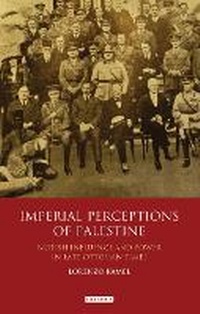
Imperial Perceptions of Palestine
British Influence and Power in Late Ottoman Times
Published on 30. July 2015
Book
Hardback
312 pages
978-1-78453-129-4 (ISBN)
Description
The Palestine Exploration Fund, established in 1865, is the oldest organization created specifically for the study of the Levant. It helped to spur evangelical tourism to the region in the late 19th and early 20th centuries which in turn generated a huge array of literature that presented Palestine as a 'Holy Land', in which local populations were often portrayed as a simple appendix to well-known Biblical scenarios. In the first book focused on modern and contemporary Palestine to provide a top-down and a bottom-up perspective on the process of simplification of the region and its inhabitants under British influence, Lorenzo Kamel offers a comprehensive outlook based on primary sources from 17 archives that spans a variety of cultural and social boundaries, including local identities, land tenure, toponymy, religious and political charges, institutions and borders. By observing the historical dynamics through which a fluid region composed by different cultures and societies has been simplified, the author explores how perceptions of Palestine have been affected today.WINNER OF THE PALESTINE BOOK AWARD 2016
Reviews / Votes
"A powerful and truly illuminating study of Palestine's history under British influence that will challenge common conceptions and understandings of that period. Based on meticulous and extensive archival work, Kamel shows how the dispossession to which Palestinians have long been subject extends to their history in what he terms Biblical Orientalism, denuding not only Palestinian claims but a lived history upon which those claims are based. Hence, the Palestinian struggle at present is not only about liberation but is also an attempt to "get back into history," reclaiming a past in all its vibrancy, complexity and beauty." - Sara Roy, Senior Research Scholar, Center for Middle Eastern Studies, Harvard University "A scholarly, original study that offers several new insights and a balanced criticism of British and Zionist perceptions of Palestinian history and society. For whoever has an interest to deconstruct the present of our region this book is a must." - Moshe Ma'oz, Professor of Islamic and Middle Eastern studies, The Hebrew UniversityMore details
Language
English
Place of publication
United Kingdom
Publishing group
Bloomsbury Publishing PLC
Target group
College/higher education
Illustrations
13 bw integrated
Dimensions
Height: 216 mm
Width: 138 mm
Thickness: 33 mm
Weight
508 gr
ISBN-13
978-1-78453-129-4 (9781784531294)
Copyright in bibliographic data and cover images is held by Nielsen Book Services Limited or by the publishers or by their respective licensors: all rights reserved.
Schweitzer Classification
Other editions
Additional editions
E-Book
07/2015
1st Edition
I.B. Tauris
€38.49
Available for download
E-Book
07/2015
I.B. Tauris
€38.49
Available for download
Person
Lorenzo Kamel is Marie Curie Experienced Researcher at the University of Freiburg's Institute for Advanced Studies (FRIAS). He is also a Senior Fellow at the Istituto Affari Internazionali (IAI) and a non-resident Associate at Harvard University's Center for Middle Eastern Studies
Content
Table of Contents* Introduction. The simplification of "the others". P.
I. From prophecies to empire. P.
1. The "Jewish client state". P.
2. Cultural imperialism. The influence of the Palestine Exploration Fund. P.
3. Suez and Cyprus, setting the stage. P.
3.1. Disraeli's legacy. P.
II. The standard conquest myth. P.
1. Who are the Palestinians? P.
1.1. The "foreigners' approach". P.
2. What is Palestine? P.
III. The ownership of the land. P.
1. The reformist context. P.
1.1. Tanzimat's impact. P.
2. Land tenure classifications. Focus on late Ottoman Palestine. P.
3. The musha and the dangers of a simplified approach. P.
4. The (mis)representation of the land and its local majority. Dynamics of land alienation. P.
5. Decostructing the land tenure issue. P.
IV. Zionism: beyond the either/or. P.
1. "Leshana haba'ah biYerushalaim!". P.
2. Zionism misrepresented. P.
3. Effects on the ground. P.
3.1. The desert without a people. P.
3.2. The process of "extra-territorialization". P.
V. Zion-London. The Archimedean point. P.
1. The rise of Berlin. P.
2. Despite it all, London. P.
3. Anti-Semitism made in England. Towards the Balfour Declaration. P.
VI. Palestine's "non-Jews". P.
1. Framing the Balfour Declaration. P.
2. The tunnel's two sides. P.
3. Messianic times. P.
4. Mark Sykes's "door of hope". P.
5. Garden Suburb, the turning point. P.
VII. Mandate for Palestine: legitimizing the simplification process. P.
1. Colonialism's new faces. P.
2. Hand-picked leaders. P.
2. San Remo Conference: whose land? P.
3. Churchill's mark. P.
VIII. Divide and rule: the creation of the Transjordan Emirate. P.
1. Jordan and/is Palestine? P.
2. The region's less colonial border. P.
IX. Hajj Am?n al-?usayn? and the Supreme Muslim Council. The longa manus of London. P.
1. Imperium in imperio. P.
2. The "Gran Muft?" of Great Britain? P.
3. The whys of a nomination. P.
4. Towards a new Palestinian historiography. P.
X. Breaking the standardization process: getting back into history. P.
1. The perception of the archives. P.
2. The archival deficit. P.
3. The case of Abu Dis. P.
4. The archives of the future. P.
Epilogue. P.
I. From prophecies to empire. P.
1. The "Jewish client state". P.
2. Cultural imperialism. The influence of the Palestine Exploration Fund. P.
3. Suez and Cyprus, setting the stage. P.
3.1. Disraeli's legacy. P.
II. The standard conquest myth. P.
1. Who are the Palestinians? P.
1.1. The "foreigners' approach". P.
2. What is Palestine? P.
III. The ownership of the land. P.
1. The reformist context. P.
1.1. Tanzimat's impact. P.
2. Land tenure classifications. Focus on late Ottoman Palestine. P.
3. The musha and the dangers of a simplified approach. P.
4. The (mis)representation of the land and its local majority. Dynamics of land alienation. P.
5. Decostructing the land tenure issue. P.
IV. Zionism: beyond the either/or. P.
1. "Leshana haba'ah biYerushalaim!". P.
2. Zionism misrepresented. P.
3. Effects on the ground. P.
3.1. The desert without a people. P.
3.2. The process of "extra-territorialization". P.
V. Zion-London. The Archimedean point. P.
1. The rise of Berlin. P.
2. Despite it all, London. P.
3. Anti-Semitism made in England. Towards the Balfour Declaration. P.
VI. Palestine's "non-Jews". P.
1. Framing the Balfour Declaration. P.
2. The tunnel's two sides. P.
3. Messianic times. P.
4. Mark Sykes's "door of hope". P.
5. Garden Suburb, the turning point. P.
VII. Mandate for Palestine: legitimizing the simplification process. P.
1. Colonialism's new faces. P.
2. Hand-picked leaders. P.
2. San Remo Conference: whose land? P.
3. Churchill's mark. P.
VIII. Divide and rule: the creation of the Transjordan Emirate. P.
1. Jordan and/is Palestine? P.
2. The region's less colonial border. P.
IX. Hajj Am?n al-?usayn? and the Supreme Muslim Council. The longa manus of London. P.
1. Imperium in imperio. P.
2. The "Gran Muft?" of Great Britain? P.
3. The whys of a nomination. P.
4. Towards a new Palestinian historiography. P.
X. Breaking the standardization process: getting back into history. P.
1. The perception of the archives. P.
2. The archival deficit. P.
3. The case of Abu Dis. P.
4. The archives of the future. P.
Epilogue. P.