


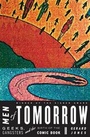
Men of Tomorrow
Geeks, Gangsters, and the Birth of the Comic Book
Published on 12. October 2004
Book
Hardback
416 pages
978-0-465-03656-1 (ISBN)
Description
This first full-scale history of superhero comic books reveals how ambitious crooks and adolescent dreamers created a new art form and forever changed the entertainment business In the depths of the Depression, out of bustling cities and crowded tenements, the comic book superhero leapt into being. A strange collection of young men from working-class Jewish neighbourhoods and shady backgrounds transformed a mix of geekiness, science fiction and outsider yearning into blue-eyed, chisel-nosed crime-fighters and adventurers who quickly captured imaginations young and old. Within a few years their inventions had spawned a new genre in movies, radio and television that still dominates youth entertainment seventy years later. Animated by the stories of some of the last century's most charismatic and conniving artists, writers and businessmen, Men of Tomorrow brilliantly demonstrates how the creators of the superheroes gained their cultural power and established a crucial place in the modern imagination.
More details
Edition
export ed
Language
English
Place of publication
United States
Target group
College/higher education
Illustrations
12 photographs
Dimensions
Height: 236 mm
Width: 156 mm
ISBN-13
978-0-465-03656-1 (9780465036561)
Copyright in bibliographic data is held by Nielsen Book Services Limited or its licensors: all rights reserved.
Schweitzer Classification
Other editions
New editions
Person
Gerard Jones, comic book writer and author of The Comic Book Heroes and Killing Monsters, draws on exhaustive research to portray how the immigrant experience and the collision of Yiddish and American culture - forged in the crucible of two world wars - shaped the vision of the make-believe hero. He chronicles how the comics sparked a frightened counterattack that nearly destroyed the industry in the 1950's, and how later they surged back at an underground level, to inspire a new generation to transmute those long-ago fantasies into art, literature, blockbuster movies and graphic novels.