

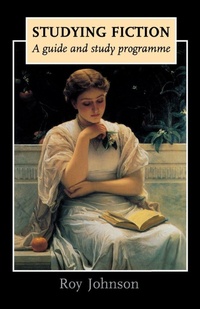
Studying Fiction
A Guide and Study Programme
Published on 21. November 1991
Book
Paperback/Softback
240 pages
978-0-7190-3397-1 (ISBN)
Description
This guide offers an introduction to the basic skills and intellectual tools required for making a study of fiction. It presents an explanation of the most common features of prose, using practical examples drawn from six short stories which are included as part of the study programme. The book is carefully structured in logical steps intended to lead the reader from attentive reading (to help produce a description of the piece), through analysis (inspecting, comparing and evaluating writing) to interpretation (making judgements on pieces of work and adopting different points of view). The overlapping of certain points and techniques is also explained and the book offers advice on spotting and analyzing specific writing techniques, gives practical advice on how to set about studying (keeping notes, organizing the page of work, drafting answers and so on) and offers self-assessment exercises and a detailed glossary. Under "Course Work", the book also suggests topics for discussion and essay topics for those using the book in a tutor-led setting. -- .
More details
Language
English
Place of publication
Manchester
United Kingdom
Target group
College/higher education
Dimensions
Height: 216 mm
Width: 140 mm
Thickness: 13 mm
Weight
303 gr
ISBN-13
978-0-7190-3397-1 (9780719033971)
Copyright in bibliographic data and cover images is held by Nielsen Book Services Limited or by the publishers or by their respective licensors: all rights reserved.
Schweitzer Classification
Person
Roy Johnson is a tutor in literature for the Workers' Educational Association, North West District. -- .
Content
How to use the guide; the basic elements of fiction - Arthur Conan Doyle, "A Scandal in Bohemia"; points of view, symbols and theme - Katherine Mansfield, "The Voyage"; language and appreciation - Thomas Hardy, "The Withered Arm"; close reading and irony - Joseph Conrad, "An Outpost of Progress"; close reading and social class - D.H.Lawrence, "Fanny and Annie"; narrators and interpretation - Charles Dickens, "The Signalman".